5.0 from 6 votes
Middle Eastern Lavash Bread Recipe
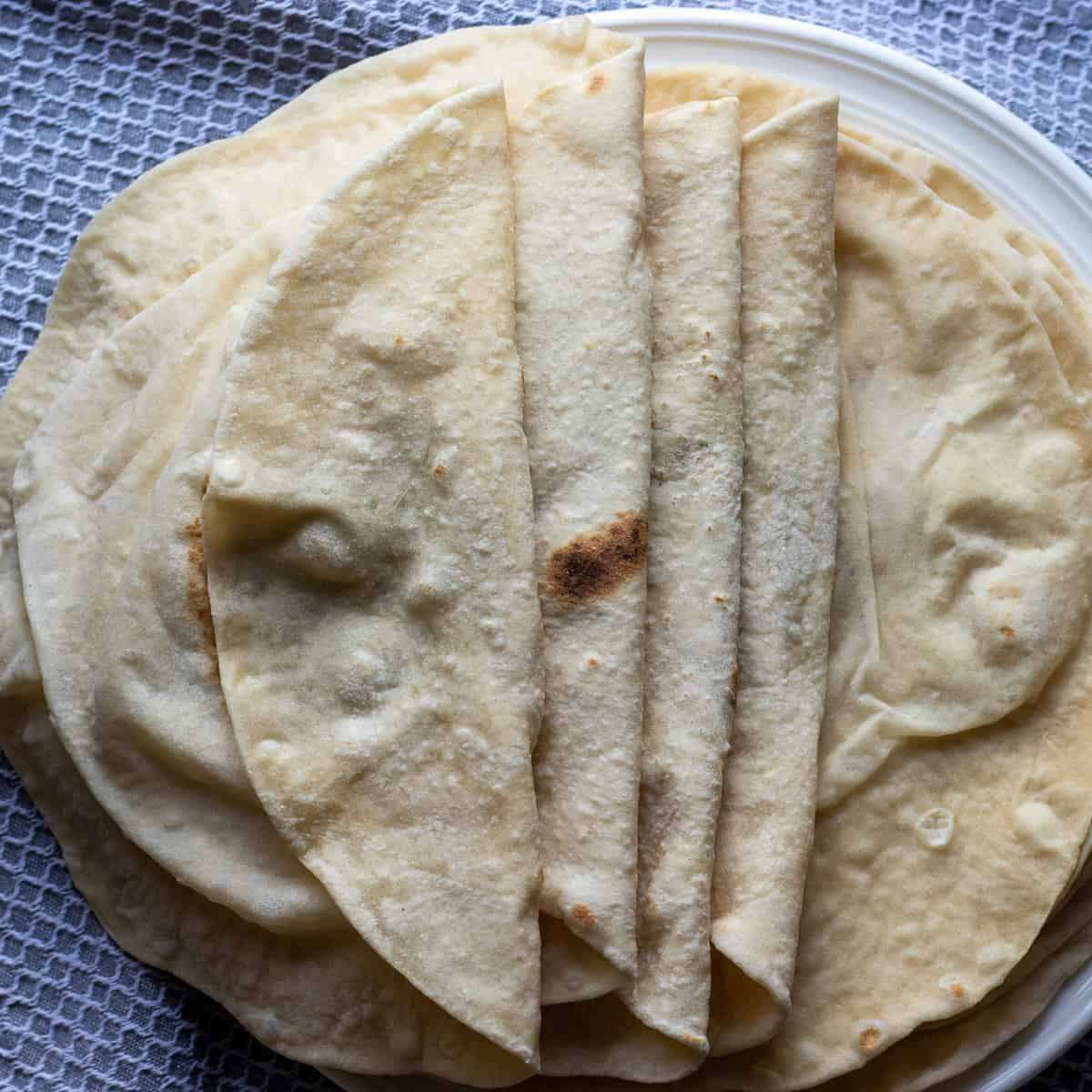
Try this Middle Eastern Lavash Bread Recipe whether you're looking for a tasty snack or a delicious accompaniment to your meal.
Prep Time
10 mins
Cook Time
10 mins
Total Time
40 mins
Servings: 10 pieces
Calories: 176 kcal
Course:
Side Dish , Breakfast
Cuisine:
Middle Eastern , Turkish
Ingredients
- 450 g plain flour
- 150 ml water
- 150 ml milk
- 1 teaspoon salt
- 1 teaspoon sugar
- 3 g fast action dry yeast
Instructions
Preparing the Dough
- In a large mixing bowl, combine the warm water, milk, sugar, and yeast.
- Add the flour to the mixing bowl along with the salt, and mix until forming a soft and sticky dough. Depending on the type of flour or the humidity of the room, you might need less flour than the recipe calls for.
- Knead the dough on a floured surface for about 10 minutes, until it's smooth and elastic. Alternatively, you can use a stand mixer with a dough hook.
- Return the dough to the bowl, cover it with a clean kitchen cloth and let it rise in a warm place for about 1 hour or until it has doubled its size.
Cup of Yum
Shaping the Lavash Bread
- When the dough doubled its size, gently deflate it and place it on a lightly floured surface.
- Divide the dough into 10 equal pieces and turn them into balls. Place them a few centimeters apart from each other and lightly sprinkle them with flour.
- Cover with a clean kitchen cloth and let them rest for 15 minutes.
- Place a large nonstick frying pan size of 23 cm (9") or larger on medium-high heat and start rolling the dough balls out.
- Working one piece at a time, roll one dough ball into a 23 cm (9") dia disc on a lightly floured surface with a rolling pin.
Cooking the Lavash Bread
- When the pan is hot, place the rolled-out lavash bread on the pan and cook for 1-2 minutes, until air bubbles appear on the surface and light brown spots appear on the bottom.
- Flip the dough and cook for another 30 seconds on the other side.
- Transfer it to a plate and cover it with a clean kitchen towel.
- Roll another dough ball into a circle while the first one is cooking in the pan. Repeat rolling and cooking until you run out of dough balls.
- Keep the cooked lavash bread covered with a clean kitchen towel to keep them warm, while you cook the rest.
Notes
- Add the flour gradually when making the dough. Depending on the type of flour or the humidity of the room, you might need less flour than the recipe calls for.
- Resting the dough balls after shaping makes the dough easy to roll out as thinly as possible.
- Use a thin dowel known as an oklava, the same as I use for making Su Boregi - Water Borek and Homemade Turkish Baklava, to easily get the dough evenly paper-thin.
- Make sure your pan is nice and hot before starting to cook your lavash bread. This will help them to puff up and form air pockets/bubbles.
- Stack the cooked lavash bread up on a plate, and wrap them up with a clean kitchen towel to keep them warm and soft while cooking the rest.
- Wrap the leftovers tightly in plastic wrap and store it in the freezer for up to 3 months.
- The best way to warm the lavash bread is to warm them up on a hot non-stick frying pan for 20 to 30 seconds. Alternatively, you can microwave them for 20 seconds.
Nutrition Information
Calories
176kcal
(9%)
Carbohydrates
36g
(12%)
Protein
5g
(10%)
Fat
1g
(2%)
Saturated Fat
0.4g
(2%)
Polyunsaturated Fat
0.2g
Monounsaturated Fat
0.2g
Cholesterol
2mg
(1%)
Sodium
240mg
(10%)
Potassium
74mg
(2%)
Fiber
1g
(4%)
Sugar
1g
(2%)
Vitamin A
25IU
(1%)
Vitamin C
0.001mg
(0%)
Calcium
26mg
(3%)
Iron
2mg
(11%)
Nutrition Facts
Serving: 10pieces
Amount Per Serving
Calories 176
% Daily Value*
| Calories | 176kcal | 9% |
| Carbohydrates | 36g | 12% |
| Protein | 5g | 10% |
| Fat | 1g | 2% |
| Saturated Fat | 0.4g | 2% |
| Polyunsaturated Fat | 0.2g | 1% |
| Monounsaturated Fat | 0.2g | 1% |
| Cholesterol | 2mg | 1% |
| Sodium | 240mg | 10% |
| Potassium | 74mg | 2% |
| Fiber | 1g | 4% |
| Sugar | 1g | 2% |
| Vitamin A | 25IU | 1% |
| Vitamin C | 0.001mg | 0% |
| Calcium | 26mg | 3% |
| Iron | 2mg | 11% |
* Percent Daily Values are based on a 2,000 calorie diet.