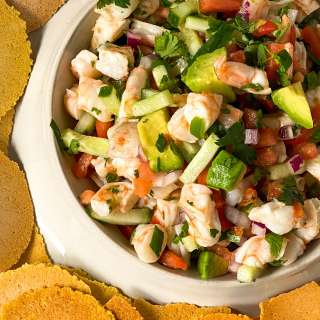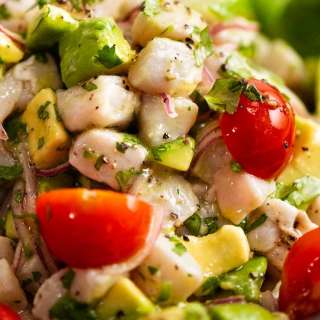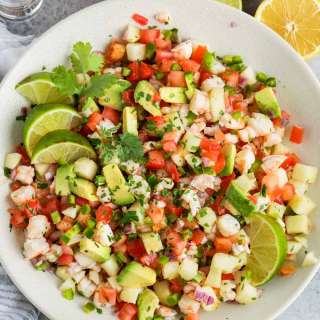
How to Make Ceviche
User Reviews
5.0
6 reviews
Excellent
How to Make Ceviche
Report
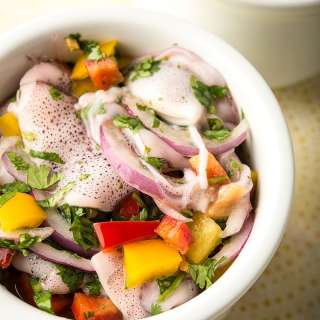
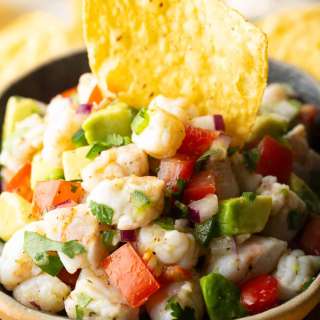
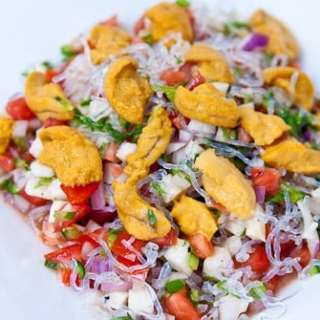
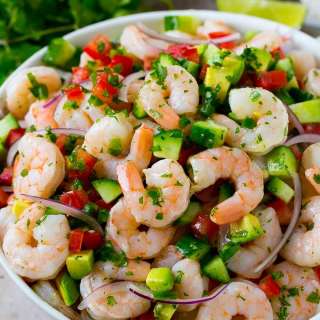
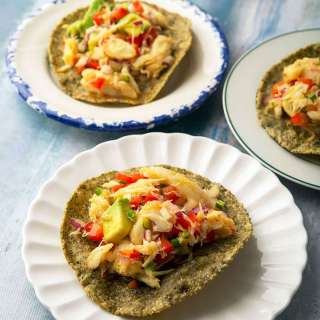
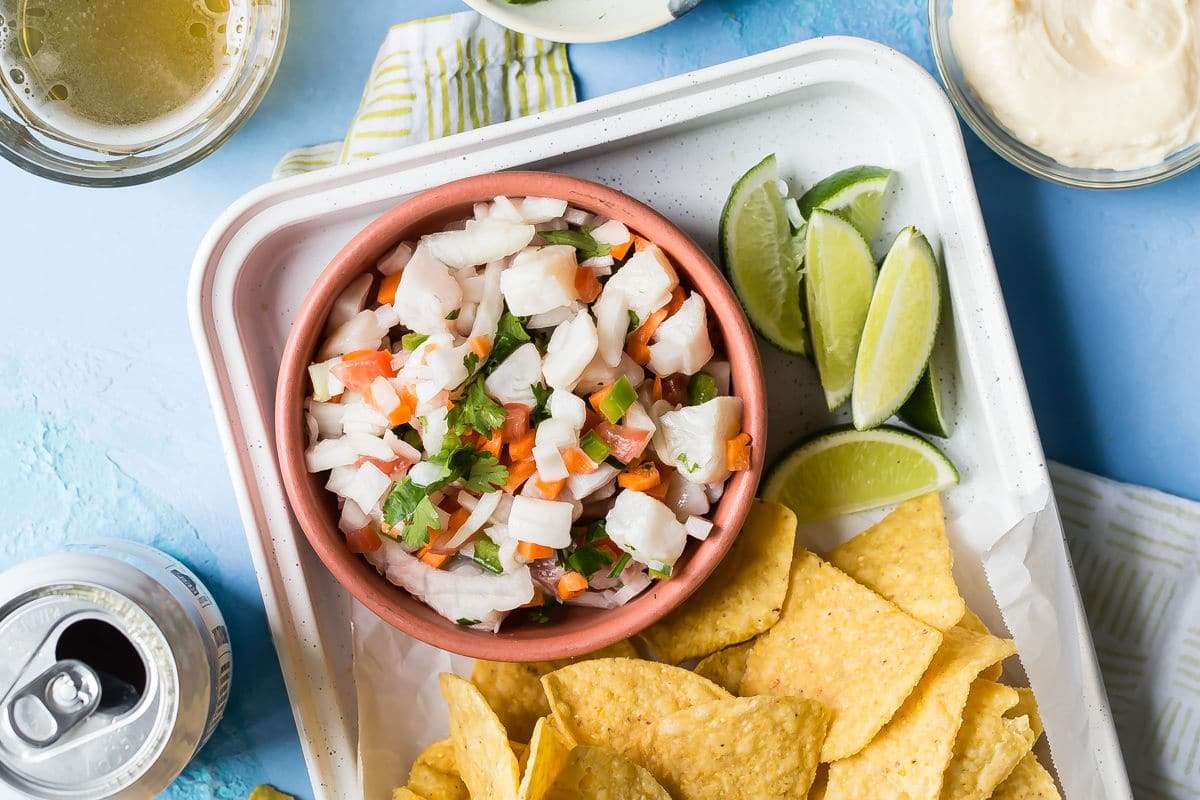
Learn how to make ceviche, a zesty fresh fish and citrus salad enjoyed throughout Mexico and South America. It’s so light and irresistibly delicious, you’ll be hooked from the very first bite.
Share:
Ingredients
- 1 pound fish or seafood, thawed (see note 1)
- 1 cup citrus juice plus more for serving (see note 2)
- 1 medium onion finely diced (about 1 cup)
- 1 large carrot peeled and finely chopped (about 1/2 cup, see note 3)
- 1-2 roma tomatoes seeded and finely chopped (about 1/2 cup)
- 1-2 Jalapeno peppers minced, seeded if desired (see note 4)
- 1 bunch fresh cilantro stems removed and minced (see note 5)
- salt
- tortilla chips or tostadas or saltine crackers
- hot sauce or mayonnaise
Instructions
- To break down large pieces of fish for ceviche, first cut each filet into strips about 2 inches wide, rinsing your knife in cold water between cuts. Holding your knife at a 45-degree angle and following the muscle fibers of the fish, slice the fish into chunks. Continue cutting the fish into 1/2-inch pieces for this recipe.
- In a medium glass or stainless-steel bowl, add fish or seafood and citrus juice and toss to coat. Cover and refrigerate until the fish is opaque and "cooked" through, about 4 hours (if using cooked shrimp, omit this step).
- Drain off and discard excess citrus juice. Add onion, carrots, tomatoes, jalapeños, and cilantro and toss until evenly coated. Season to taste with salt and more fresh citrus juice if desired.
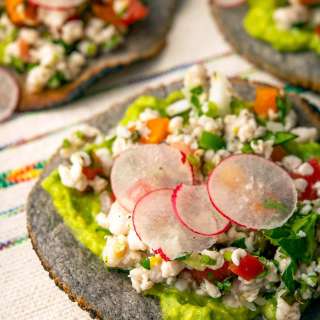
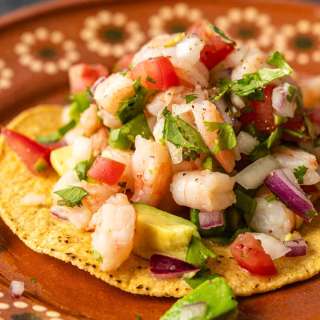
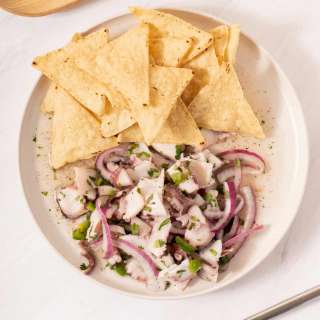
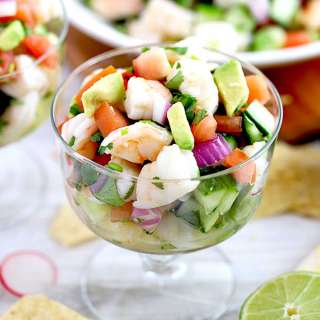
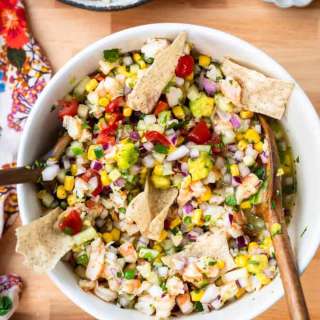
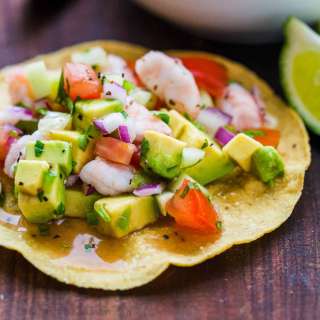
- Serve with tostadas, tortilla chips, or saltine crackers, passing hot sauce and mayonnaise separately. Or, serve ceviche in individual bowls or glasses.
Notes
- Fish or seafood: Choose high-quality fresh or commercially frozen fish and seafood. Tilapia, salmon, black, white, or striped sea bass, halibut, flounder, snapper, grouper, sole, sea trout, yellowtail, shrimp, squid, scallops, and octopus are all great choices. Be sure to remove any skin before cutting. Thaw in a bowl or on a tray overnight in the refrigerator. For quicker thawing, thaw in a bowl of cold (not warm) water. Turn the faucet on and let a thin trickle of cold water run into the bowl, letting the excess water overflow out of the bowl and down the drain.
- Citrus juice: The acid that "cooks" the fish. Lime juice is the most common in Mexico (lemons are not usually available there), but lemon, grapefruit, and orange juice are all great options.
- Carrots: I don't see carrots in most ceviche recipes on the Internet, but that's how they make it in Aguascalientes. And it's great!
- Jalapeños: Remove the seeds for less heat. At family gatherings in Mexico, they prepare a separate bowl of spicy chiles (like serrano and habañero chiles) so the adults can add those to taste and the kids don't have to suffer.
- Cilantro: Cut off the main batch of stems at the bottom of the bunch, then cut up the remaining stems along with the leaves. Please omit if you hate cilantro (parsley or chives are good substitutes).
- Safety: Citrus juice does not kill bacteria or parasites in fish (neither will your home freezer), so choose commercially-frozen or high-quality fresh fish for ceviche. Cod, swordfish, and many freshwater fish are prone to parasites.
- Yield: This recipe will make about 4 cups ceviche.
- Storage: Store leftovers covered in the refrigerator for 1 day. Ceviche is best enjoyed the day you make it.
- Denaturation: The technical term for the reaction between the citrus juice acid and the proteins in the muscle fibers of the fish or seafood.
- Avocado: Mixed in or scattered on top, avocado tempers the heat and a creamy texture to ceviche. Guacamole is a great option, too.
- More mix-ins: Get creative with jicama, cucumber, or even pineapple.
- Nutrition information: This will vary depending on the type of seafood used. The label below is for Tilapia Ceviche (no condiments, chips, or crackers). For comparison, Salmon Ceviche is approximately 200 calories per 1-cup serving and Shrimp Ceviche is approximately 140 calories per 1-cup serving.
Nutrition Information
Show Details
Serving
1cup
Calories
147kcal
(7%)
Carbohydrates
10g
(3%)
Protein
24g
(48%)
Fat
2g
(3%)
Saturated Fat
1g
(5%)
Cholesterol
57mg
(19%)
Sodium
75mg
(3%)
Potassium
567mg
(16%)
Fiber
2g
(8%)
Sugar
4g
(8%)
Vitamin A
3340IU
(67%)
Vitamin C
28mg
(31%)
Calcium
35mg
(4%)
Iron
1mg
(6%)
Nutrition Facts
Serving: 4servings (1 cup each)
Amount Per Serving
Calories 147 kcal
% Daily Value*
| Serving | 1cup | |
| Calories | 147kcal | 7% |
| Carbohydrates | 10g | 3% |
| Protein | 24g | 48% |
| Fat | 2g | 3% |
| Saturated Fat | 1g | 5% |
| Cholesterol | 57mg | 19% |
| Sodium | 75mg | 3% |
| Potassium | 567mg | 12% |
| Fiber | 2g | 8% |
| Sugar | 4g | 8% |
| Vitamin A | 3340IU | 67% |
| Vitamin C | 28mg | 31% |
| Calcium | 35mg | 4% |
| Iron | 1mg | 6% |
* Percent Daily Values are based on a 2,000 calorie diet.
Genuine Reviews
User Reviews
Overall Rating
5.0
6 reviews
Excellent
Other Recipes
You'll Also Love