How To Make Lard
User Reviews
5
-
Prep Time
10 mins
-
Cook Time
3 hrs
-
Total Time
3 hrs 10 mins
-
Course
Others
-
Cuisine
gluten-free
How To Make Lard
Description
How To Make Lard starts with finely diced leaf lard, or fatback, ideally chopped while frozen for easier handling. The fat is slowly rendered by cooking on low heat in a slow cooker without the lid to reduce moisture and prevent spoilage. This gradual melting process takes several hours, during which the fat pieces will sink and later float, signaling completion.
Care is taken to avoid overcooking or burning, which could impart a stronger pork flavor unsuitable for delicate baking. Once rendered, the lard is poured through a fine mesh strainer twice to remove solids, which can be fried separately into flavorful pork cracklings. The final product is strained into clean containers and refrigerated.
The rendered lard offers a neutral cooking fat prized for pastries and frying. It can also be prepared using stovetop or oven methods as detailed in accompanying instructions, adapting rendering to kitchen equipment available.
Ingredients
- 2 pounds leaf lard depending on what you're using it forl; see blog post for description), diced as finely as you can (it's easiest to dice while frozen, or fatback
- NOTE: You can use this same method for beef tallow and other animal fats
Instructions
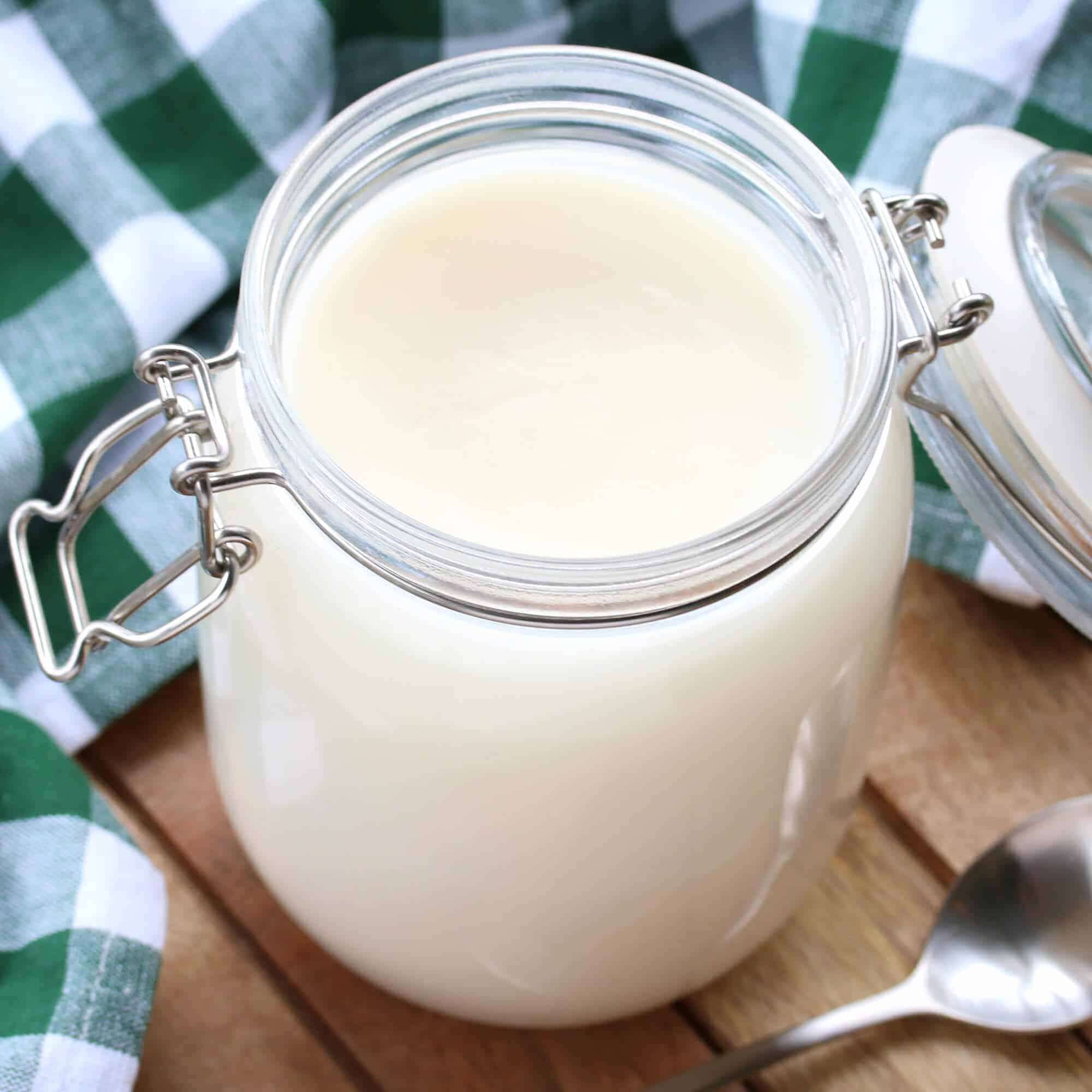
- This can be made in the slow cooker, in the oven, or on the stovetop. For the oven and stovetop method see the blog post tutorial above. Slow Cooker Method: Place the diced fat in the slow cooker and set it to LOW. Leave the lid off while to prevent moisture buildup which can lead to spoiling. It will generally take at least 3 hours, often more, for the fat to render, especially if you're making a larger batch or if the chunks are large. The pieces of fat will sink down to the bottom and then rise up again after a few hours, indicating that the they are done rendering. Be careful not to over-cook the lard or allow the edges to burn or you'll end up with lard that has a stronger pork flavor (though still usable for frying savory things, just not ideal for sweet pastries and pie crusts). Strain the rendered lard through a fine mesh colander and discard the chunks (these can be fried to create crispy flavorful pork cracklings). Strain the lard a second time, this time time through 3 layers of cheesecloth to remove any small bits and sediment which cause spoilage. In its liquid state, the color of the lard will be like lemonade or apple juice. Once it cools and hardens it will become white.Place the melted lard in whatever container you want to keep it in long-term (preferably in a glass jar). Let it sit undisturbed at room temperature until it has to cooled down and is firm.Store your lard in a cool, dark place. It will keep longer in the fridge if you have the space and you can also freeze it. 2 pounds of pork fat will yield roughly 1 to 1 1/2 cups of lard.
User Reviews
Overall Rating
5
You'll Also Love


Tofu and Charred Broccoli Bowls with Kimchi–Miso Dressing