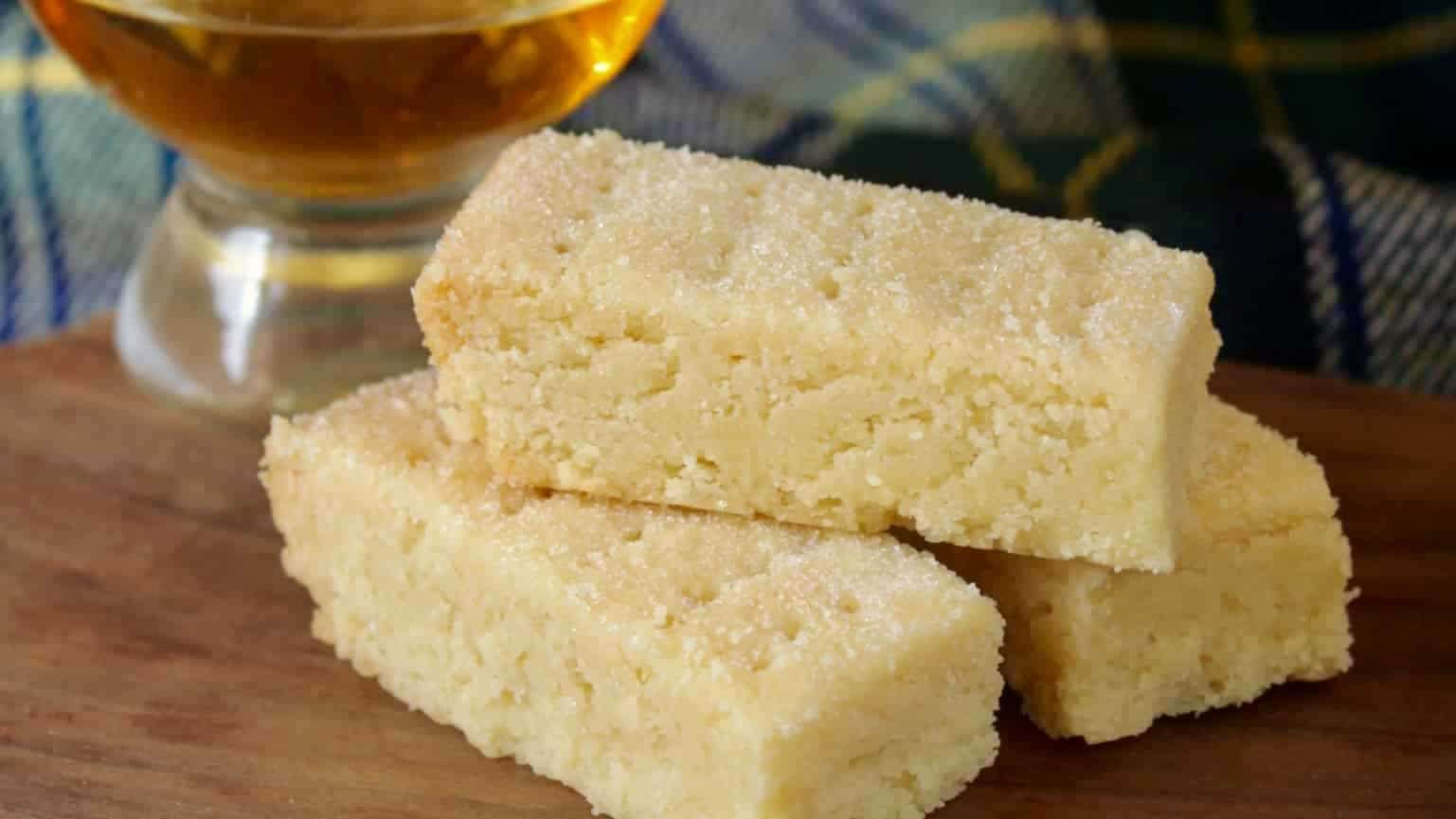
How to Make Shortbread (Easy Scottish Recipe)
User Reviews
4.8
-
Prep Time
10 mins
-
Cook Time
30 mins
-
Total Time
40 mins
-
Servings
12 -16 depending on shape
-
Calories
247 kcal
-
Course
Bread, Baked Goods
How to Make Shortbread (Easy Scottish Recipe)
Description
The recipe starts by mixing softened, salted butter with sugar until combined but not creamed, preserving a firm texture. Flour is then added to create a stiff dough that comes together quickly without overworking. The dough is rolled into the desired shape—often fingers or rounds—and pricked with a fork to prevent rising unevenly. Baking occurs at 375ºF until the shortbread is just turning golden.
The final shortbread has a dense, crumbly texture with a buttery taste and light sweetness. Thickness is key, with recommended finger widths of around 3/4 inch or 2 cm to provide the correct bite and mouthfeel. The pricking ensures an even bake and authentic appearance.
Shortbread is commonly enjoyed as a snack or light dessert and pairs well with tea or coffee. Its sturdy yet tender texture makes it ideal for storing at room temperature for weeks and freezing for longer preservation.
Using quality butter is important to achieve the rich flavor characteristic of good shortbread. A kitchen scale is recommended for precise measurement of ingredients. If the dough doesn’t fully come together, it can be used as a crumble topping instead.
Ingredients
- 1 c butter salted, softened (you can use unsalted, which is the norm for baking, but add a good pinch of salt)
- 2 ½ c all-purpose flour
- ½ c sugar
- ½ tsp sugar to sprinkle on top
Instructions
- Heat oven to 375º F (190 ºC)
- Start by mixing the butter and sugar together, but DO NOT CREAM them (see notes). The butter shouldn't be too soft, but also not straight from the fridge, especially if you use a mixer.
- Add the flour and mix to a stiff consistency. Don't overwork the dough; stop when it just comes together. That's it, you've just made shortbread dough: I told you it was easy!
- Roll out into the shape of a pan or tin you want to bake them in. I baked this in an 8 x 8 pan. Trim the edges to the approximate size.
- FINGERS: Place it in the pan of your choice. One mistake many people make is rolling the shortbread too thin. Proper shortbread should be quite thick (no less than 3/4" or 2cm if making fingers). Tip: make sure your fingers are wide enough that a fork can prick them. Use a bench scraper or knife to cut the dough into fingers. Next, prick the shortbread with a fork, about half way through.
- ROUND: You can also shape the dough into a ball, roll it out into a round, and score into triangles, then prick with a fork.
- MOULD: (brush the mold with a little oil, and sugar first to ensure it comes out nicely). Roll out the dough, place over the mould and roll again to press into it. Remove the excess dough then turn out onto a tray. If your shortbread mould doesn't have a pretty design, prick it with a fork
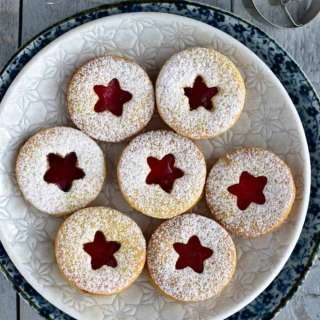
- CUT OUT SHAPES: roll out more thinly (as with sugar cookies) and cut with cookie cutter. Place onto prepared baking sheet and prick evenly.
- Place in preheated oven for 15 to 30 minutes (depending on which thickness or shape) or until slightly brown on edges. Sprinkle with sugar immediately upon removing from the oven. Shortbread shouldn't be darkly colored. Let your shortbread cool on or in the pan or tray before moving to rack to cool completely.
Notes
- Use salted butter softened to cool room temperature but not too soft, avoiding creaming with sugar.
- Weigh ingredients for best accuracy and consistent results.
- If the dough is crumbly and won’t come together, repurpose it as a crumble topping instead of wasting it.
- Store shortbread in a sealed container at room temperature; it keeps well for weeks and can also be frozen.
Nutrition Information
Show DetailsNutrition Facts
Serving: 12-16 depending on shape
Amount Per Serving
Calories 247 kcal
% Daily Value*
| Serving | 1 | |
| Calories | 247kcal | 12% |
| Carbohydrates | 24g | 8% |
| Protein | 3g | 6% |
| Fat | 16g | 25% |
| Saturated Fat | 10g | 50% |
| Polyunsaturated Fat | 1g | 6% |
| Monounsaturated Fat | 4g | 20% |
| Trans Fat | 1g | 50% |
| Cholesterol | 41mg | 14% |
| Sodium | 122mg | 5% |
| Potassium | 32mg | 1% |
| Fiber | 1g | 4% |
| Sugar | 4g | 8% |
| Vitamin A | 473IU | 9% |
| Calcium | 8mg | 1% |
| Iron | 1mg | 6% |
* Percent Daily Values are based on a 2,000 calorie diet.
User Reviews
Overall Rating
4.8
You'll Also Love