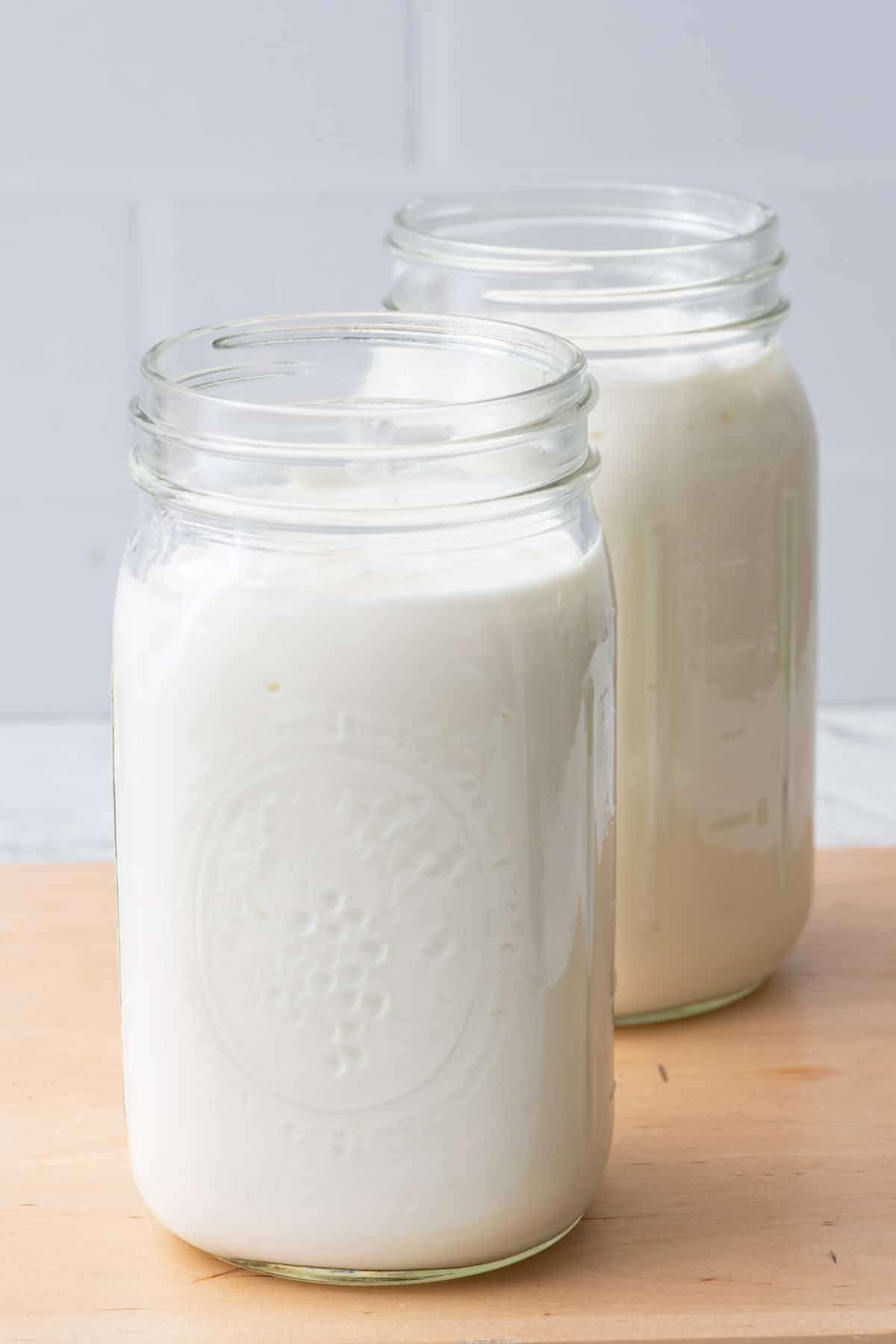
How to Make Yogurt
User Reviews
5
-
Prep Time
15 mins
-
Cook Time
15 mins
-
Additional Time
16 hrs 30 mins
-
Total Time
17 hrs
-
Servings
16 servings
-
Calories
64 kcal
-
Course
Others
-
Cuisine
International
How to Make Yogurt
Description
To make yogurt at home, start by heating milk in a large pot to just boiling or 2006F, stirring occasionally to prevent scorching. Once heated, cool the milk to a temperature safe to handle with the pinky finger, about 110-1156F. This temperature range is ideal for bacterial fermentation without killing live cultures.
Combine the warm milk with a small portion of room-temperature plain yogurt to introduce live active cultures. Stir well and cover the pot tightly to preserve heat. Wrapping in towels helps maintain a warm environment. Allow the mixture to incubate undisturbed in a warm spot for 8 hours or overnight to develop the yogurt’s texture and tang.
After incubation, refrigerate the yogurt to thicken further and slow fermentation. The longer the fermentation period before refrigeration, the tangier and firmer the yogurt becomes. This homemade yogurt can be consumed as is, or strained to produce Greek yogurt, which reduces volume but yields a thicker product.
The recipe yields approximately two quarts of yogurt. Store it in airtight containers in the fridge for up to two weeks. For a more sour taste or firmer texture, extend the incubation up to 48 hours.
Ingredients
- ½ gallon milk whole or 2%
- ½ cup yogurt room temperature, plain, whole-milk
Instructions
- Pour the milk into a large pot over high heat. Stir occasionally until it just comes to a boil or a temperature of at least 200℉, about 10 minutes. Remove from the heat immediately.
- Allow it to cool down enough that you can stick your pinky finger in and handle the heat for 10 seconds. It will have a temperature between 110-115℉, which should take about 30 minutes, depending on the temperature of your kitchen.
- Place half a cup of the milk at this temperature into a small bowl with the yogurt starter and stir to combine. Transfer that mixture into the milk in the pot and whisk to combine. If a skin forms on the surface of the milk you can remove or stir into the mixture.
- Cover the pot with a tight-fitting lid and lay 2 large bath towels over to keep it warm in a warm spot in your kitchen, for at least 8 hours or overnight. The longer you leave it outside, the more firm and tangy it will become.
- After that time, place the pot in the fridge to allow it to continue to thicken for at least 8 hours. After that point the yogurt is ready to be enjoyed.
Notes
- This recipe produces about two quarts of yogurt; straining it to make Greek yogurt will reduce the quantity to 1 to 1.5 quarts.
- Store finished yogurt in airtight containers or jars in the refrigerator for up to two weeks.
- Maintain warmth during incubation by covering the pot with towels to ensure consistent fermentation temperature.
- To increase sourness and thickness, allow the yogurt to ferment at room temperature for up to 48 hours before refrigeration.
Nutrition Information
Show DetailsNutrition Facts
Serving: 16servings
Amount Per Serving
Calories 64 kcal
% Daily Value*
| Calories | 64kcal | 3% |
| Carbohydrates | 6g | 2% |
| Protein | 4g | 8% |
| Fat | 3g | 5% |
| Saturated Fat | 2g | 10% |
| Polyunsaturated Fat | 0.1g | 1% |
| Monounsaturated Fat | 1g | 5% |
| Trans Fat | 0.1g | 5% |
| Cholesterol | 10mg | 3% |
| Sodium | 59mg | 2% |
| Potassium | 177mg | 4% |
| Sugar | 6g | 12% |
| Vitamin A | 128IU | 3% |
| Vitamin C | 0.3mg | 0% |
| Calcium | 151mg | 15% |
| Iron | 0.03mg | 0% |
* Percent Daily Values are based on a 2,000 calorie diet.
User Reviews
Overall Rating
5
You'll Also Love



Tofu and Charred Broccoli Bowls with Kimchi–Miso Dressing