Bibingka
User Reviews
4.1
Bibingka
Description
The batter is prepared by combining rice flours with sugar, baking powder, and salt, then adding coconut milk, water, melted butter, and beaten eggs to form a smooth mixture. Refrigeration overnight helps develop the texture. Banana leaves are rinsed and softened over flame before being used to line baking tins, a traditional method that prevents the batter from sticking and adds a subtle earthy fragrance to the finished cake.
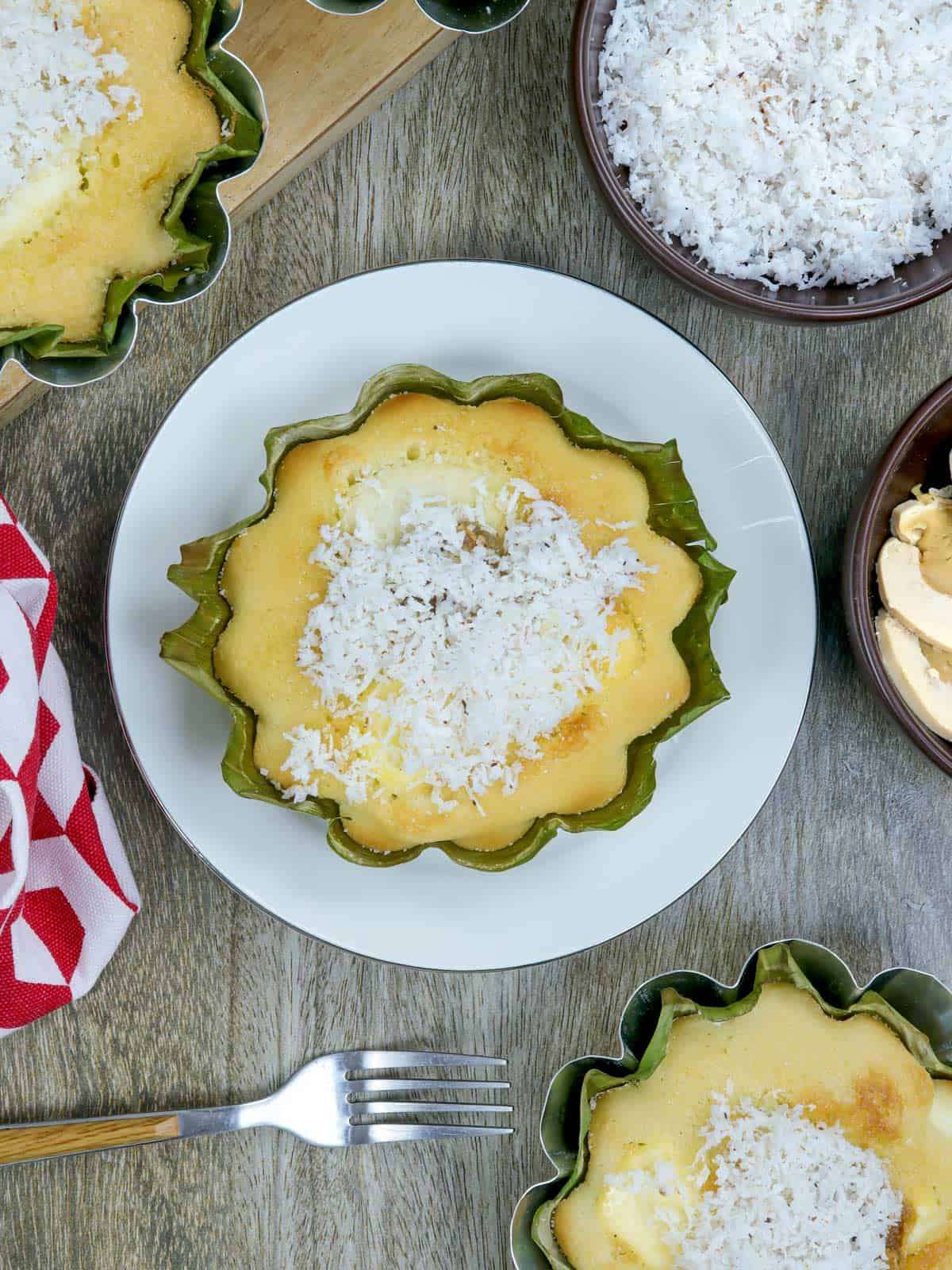
Tins lined with banana leaves are filled three-quarters full with batter and topped with slices of salted egg and cream cheese (or alternatives such as kesong puti or queso de bola). The cakes are baked in a 375°F oven until set and lightly browned. Finishing under the broiler briefly can add a characteristic charring to the surface, mimicking clay pot baking.
Bibingka is typically enjoyed as a breakfast or snack item, particularly during holidays, and is often served warm with butter, sugar, and grated mature coconut on top for extra richness and texture. The cake’s texture is tender yet holds its shape, and its flavors balance sweet, creamy, and salty components owing to the toppings.
If banana leaves are unavailable, parchment paper can be used to line pans. Adding a drop of yellow food coloring deepens the cake’s traditional hue. Various pan sizes such as mamon molds, muffin tins, or fluted pie pans work well.
Ingredients
- 2 cups rice flour
- ½ cup glutinous rice flour
- 1 cup sugar
- 1 tablespoon baking powder
- 1 teaspoon salt
- 1 ½ cups coconut milk
- ½ water cup
- 3 egg beaten
- ¼ cup butter melted
- 2 salted egg peeled and sliced lengthwise
- 2 ounces cream cheese sliced thinly; can substitute kesong puti or queso de bola
For Toppings
- butter or margarine, softened
- sugar to taste
- coconut grated mature
Instructions
- In a large bowl, combine rice flour, glutinous rice flour, sugar, baking powder, and salt. Whisk until well-combined.
- Add coconut milk, water, butter, and eggs. Stir until smooth and well-blended.
- Cover the batter and refrigerate overnight.
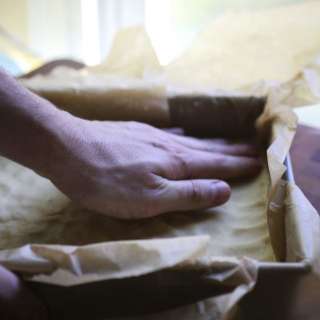
- Rinse banana leaves under warm water and wipe off any dirt or grit. Using scissors, trim any thick edges and cut into circles large enough to cover bottom and sides of the pan.
- Quickly pass and heat banana leaves over stove flames for a few seconds or until just softened. Line the pans, making sure the leaves are intact with no rips.
- Pour the batter into the prepared pans up to ¾ full. Arrange sliced salted eggs and cream cheese slices on top.
- Arrange the filled tin molds in a single layer on a baking sheet and place in the oven on the lower rack. Bake in a 375 F oven for about 20 to 25 minutes or until a toothpick inserted in the middle comes out clean.
- Transfer the baking sheet to the top rack and continue to cook for about 3 to 5 minutes or until lightly golden.
- Remove from heat. Spread margarine or butter and sprinkle sugar on top. Garnish with grated coconut. Serve hot.
Notes
- Banana leaves add aroma and prevent sticking; ensure they are intact and softened over flame before use.
- If banana leaves are unavailable, line pans with parchment paper instead.
- Add yellow food coloring to the batter to achieve a deeper traditional color.
- Top with cream cheese, kesong puti, or queso de bola for varied flavor profiles.
- After baking, broil briefly for 1 to 2 minutes to mimic clay pot charring on the cake's surface.
Nutrition Information
Show DetailsNutrition Facts
Serving: 8Pieces
Amount Per Serving
Calories 450 kcal
% Daily Value*
| Calories | 450kcal | 23% |
| Carbohydrates | 48g | 16% |
| Protein | 8g | 16% |
| Fat | 27g | 42% |
| Saturated Fat | 19g | 95% |
| Cholesterol | 140mg | 47% |
| Sodium | 244mg | 10% |
| Potassium | 344mg | 7% |
| Fiber | 2g | 8% |
| Sugar | 18g | 36% |
| Vitamin A | 519IU | 10% |
| Vitamin C | 1mg | 1% |
| Calcium | 98mg | 10% |
| Iron | 2mg | 11% |
* Percent Daily Values are based on a 2,000 calorie diet.
User Reviews
Overall Rating
4.1
You'll Also Love
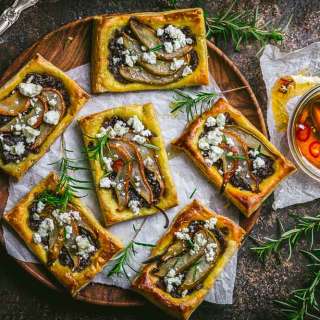
Puff Pastry Tartlets with Roasted Pear, Caramelized Red Onions, Goat Cheese and Spicy Honey Drizzle