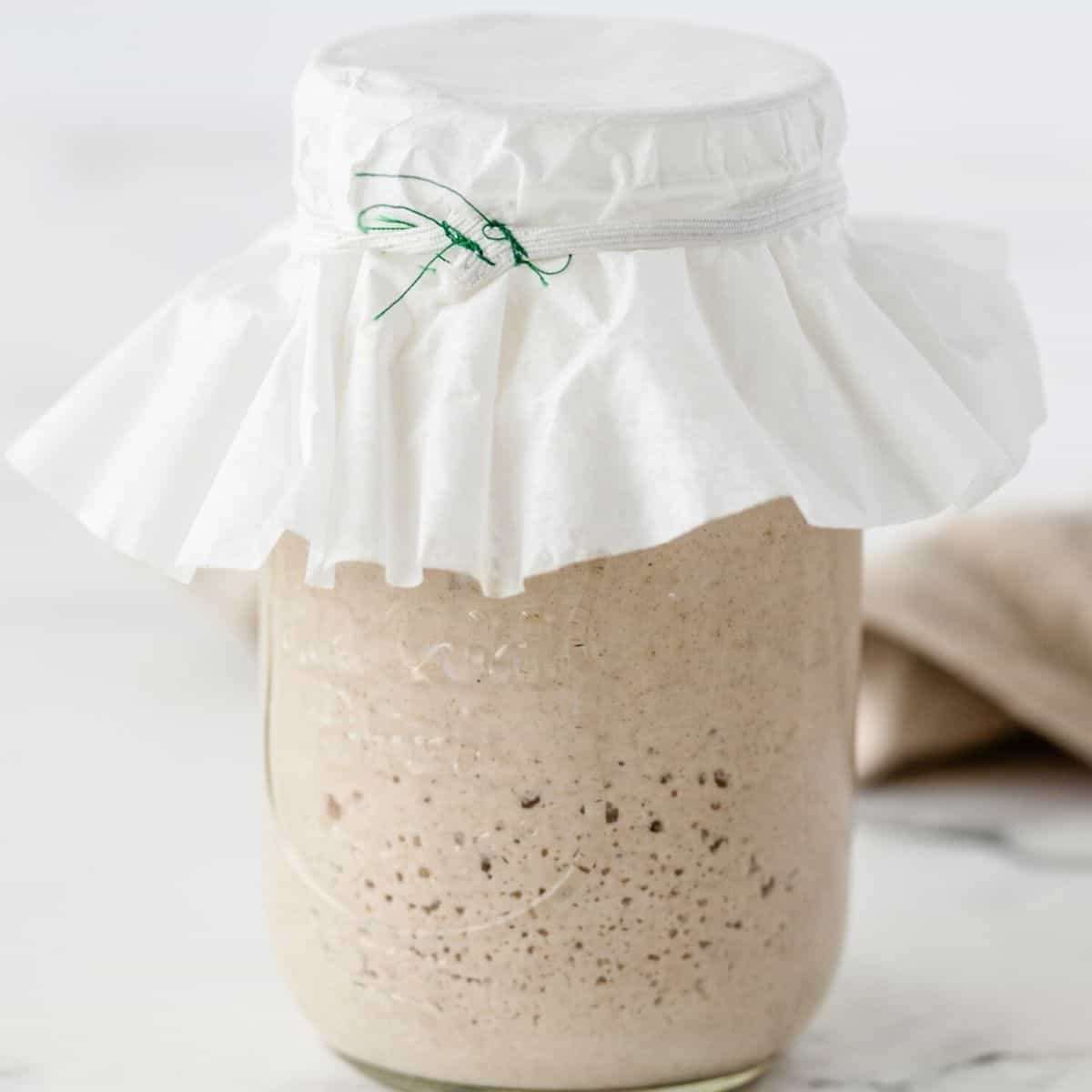
Gluten-Free Sourdough Starter
User Reviews
5
Gluten-Free Sourdough Starter
Description
This gluten-free sourdough starter begins by mixing gluten-free flours with filtered water to create a smooth starter base. Covering the mixture loosely allows wild yeasts and beneficial bacteria to ferment the dough naturally. Over the course of 5 to 7 days, the starter is fed twice daily with measured flour and water increments to build strength and activity, characterized by bubbling and doming of the mixture.
The starter can be made with combinations of flours to improve bread quality, since single flours often perform less effectively in gluten-free baking. Using filtered water and clean techniques supports a healthy fermentation culture. Variations include a grain-free version using coconut flour or cassava flour for Paleo or AIP diets.
Once fully active and bubbly within a few hours of feeding, the starter is ready to use in gluten-free sourdough bread recipes. This process develops natural leavening and flavor without gluten-containing ingredients, expanding baking options for those with dietary restrictions.
Ingredients
Gluten-free Sourdough Starter
- 6 cups gluten-free flour or grain-free flour
- 5 1/4 cups water filtered
Coconut Flour Sourdough Starter
- 1/2 cup coconut flour
- water filtered
Instructions
Gluten-free Sourdough Starter
- Combine 1/2 cup flour (whatever gluten-free flour or gluten-free flour blend you like) and a scant 1/2 cup filtered water in a medium to large bowl.Whisk until smooth and cover the gluten free sourdough starter with a cheesecloth or clean dishtowel to allow air to circulate but prevent particles from falling in.Set the bowl in a warm area where it will not be disturbed. A kitchen counter, pantry cabinet, or patio can all be good options.
- Wait 12-24 hours.
- At least twice a day for the next six days, at regular intervals, add 1/2 cup of flour and a scant 1/2 cup of filtered water to the existing starter. Mix until smooth, and cover.This is called feeding the starter.Make sure to watch your starter carefully.
- When your gluten-free sourdough starter is very bubbly and creates a dome on top 2-3 hours after each feeding (like the above picture), you are ready to make bread. This is often called the sponge and typically it takes 5-7 days for this to happen.
- Use your starter for making the sourdough bread of choice. See above this recipe card in the post for some great options!
For Coconut Flour Starter
- Combine 1/8 cup coconut flour with 1/2 cup filtered water in a large bowl. Whisk until smooth. The mixture should be pourable but not thin.
- Cover the bowl with a plate or other air tight cover, making sure there’s at least a 1/2-inch gap of air at the top.
- Approximately every 12 hours add another 1/8 cup of coconut flour and ½ cup purified water. Stir well and cover.
- In 24–48 hours the mixture should get bubbly and smell fermented. If no bubbles form, try increasing the frequency of feedings to every 8-10 hours.
- If at any time there isn't a 1/2 inch gap at the top of the starter, move it to a larger bowl.
Notes
- Feed the starter at least twice daily for 5 to 7 days until it becomes bubbly and active.
- Using a blend of gluten-free flours yields better bread texture compared to a single flour type.
- Filtered water is recommended to avoid chlorine or contaminants that can inhibit fermentation.
- A grain-free version can be made using organic cassava or tiger nut flour as alternatives.
- Keep the starter covered with a breathable cloth to allow air but prevent contamination.
User Reviews
Overall Rating
5
You'll Also Love

Tofu and Charred Broccoli Bowls with Kimchi–Miso Dressing