Kanji Recipe
User Reviews
4.9
Kanji Recipe
Description
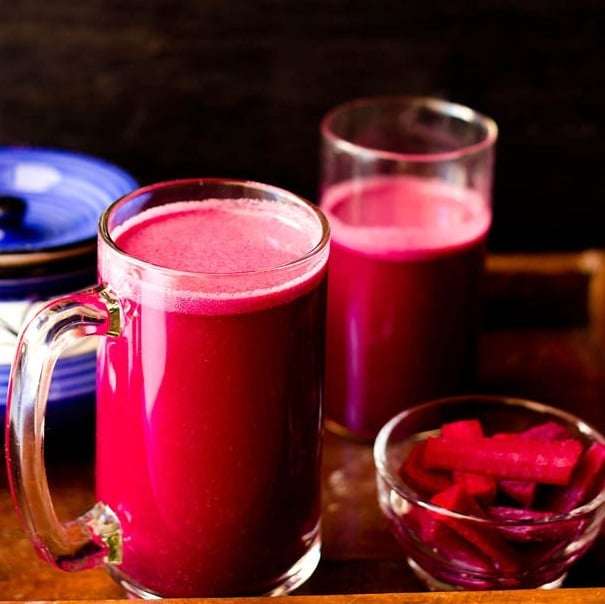
This Kanji recipe features peeled and chopped carrots and beetroots immersed in boiled and cooled water mixed with ground yellow or black mustard seeds, black salt or alternatives, and red chili powder or cayenne. The ingredients are combined in a wide-mouth jar covered lightly to allow fermentation when placed in sunlight for 2 to 5 days, depending on light intensity. The spontaneous fermentation produces a tangy, spicy beverage with a distinctive flavor from the mustard and chili.
The drink offers a balance of slightly sour, spicy, and earthy vegetable notes, refreshed by the fermentation process. Traditionally, Kanji is consumed chilled and paired with crispy vadas made from soaked, ground urad dal deep fried and then soaked in water before being mixed with the Kanji drink for a unique combination.
The length of fermentation and sunlight exposure affects the strength of the flavor, with more sunlight accelerating the process. The recipe's notes include steps for preparing the vadas, which complement the Kanji as a cooling and nourishing snack.
Ingredients
- 5 to 6 carrot medium-sized
- 2 beetroot small-sized
- 8 cups water - approx 2 litres of water, boiled
- 2 teaspoons red chili powder or cayenne pepper - add as needed
- 2 tablespoons yellow mustard seeds or 1 tablespoon black mustard seeds
- 1 tablespoon black salt or regular salt or pink salt, add as needed
Instructions
- Rinse and then peel the carrots and beetroots.
- Note that you can use orange carrots, if you do not have red carrots. If you are not a fan or beets, skip them and swap with 1 more medium-sized carrot.
- Chop into 1.5 to 2 inches long sticks or batons.
- First boil water and let it cool at room temperature. Cover the pan when the water cools.
- In a clean ceramic or glass jars with a wide mouth, add the carrots, beets, ground yellow mustard powder, black salt, pink salt or regular salt and red chili powder or cayenne.
- Mix all the ingredients with a clean dry spoon.
- Cover with loosely with a lid or secure and tie a muslin cloth/cheese cloth on the top of the jar or bottle. Keep the jars in the sun for 2 to 3 days or up-to 4 to 5 days depending on the sunlight in your area.
- For an intense and strong sunlight, about 1 to 2 days is good enough for fermentation. When there are cloudy days and less sunlight, 4 to 5 days will work. But do ensure that your kanji drink is fermented well. Do not keep so long that will make your drink over fermented.
- Stir with a wooden spoon or shake the jar everyday.
- When the kanji tastes sour, it means the drink is fermented.
- Serve carrot kanji straightway or refrigerate. It stays good in the fridge for about 4 to 5 days.
- You could add a few ice cubes while serving or refrigerate to make it cold before serving.
- Drink the kanji before meals or anytime during the day. Serve the fermented carrot and beets sticks as a pickle condiment with any Indian main course.
- The sour-tangy carrots and beets can be included in a salad or add as toppings to your wraps, burgers or sandwiches.
Notes
- Use orange carrots if red carrots are unavailable and omit beets or substitute with an extra carrot if preferred.
- Ferment the Kanji in sunlight for 1-5 days depending on weather to control flavor intensity.
- Prepare crunchy vadas by soaking urad dal overnight, grinding with spices, deep frying, soaking in water, then serving with Kanji cold or chilled.
Nutrition Information
Show DetailsNutrition Facts
Serving: 8Serving
Amount Per Serving
Calories 40 kcal
% Daily Value*
| Calories | 40kcal | 2% |
| Carbohydrates | 7g | 2% |
| Protein | 1g | 2% |
| Fat | 1g | 2% |
| Saturated Fat | 1g | 5% |
| Sodium | 935mg | 39% |
| Potassium | 219mg | 5% |
| Fiber | 2g | 8% |
| Sugar | 3g | 6% |
| Vitamin A | 6525IU | 131% |
| Vitamin B1 (Thiamine) | 1mg | |
| Vitamin B2 (Riboflavin) | 1mg | |
| Vitamin B3 (Niacin) | 1mg | |
| Vitamin B6 | 1mg | |
| Vitamin C | 3mg | 3% |
| Vitamin E | 1mg | |
| Vitamin K | 6µg | |
| Calcium | 32mg | 3% |
| Vitamin B9 (Folate) | 34µg | |
| Iron | 1mg | 6% |
| Magnesium | 23mg | 6% |
| Phosphorus | 46mg | |
| Zinc | 1mg |
* Percent Daily Values are based on a 2,000 calorie diet.
User Reviews
Overall Rating
4.9
You'll Also Love