Authentic Injera (Ethiopian Flatbread)
User Reviews
4.9
Authentic Injera (Ethiopian Flatbread)
Description
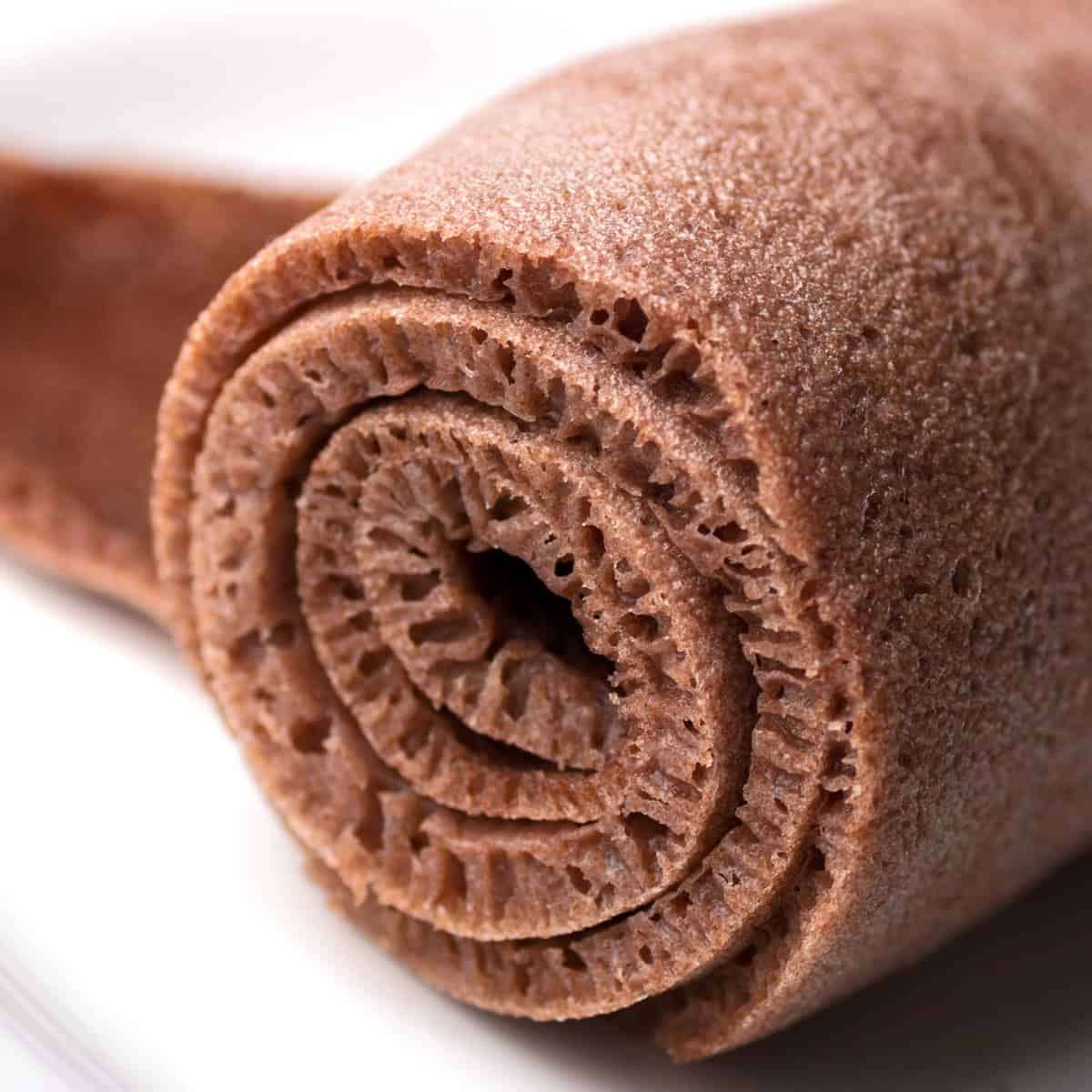
Authentic Injera is a sourdough-risen flatbread made mainly from teff flour, a gluten-free grain valued for its earthy flavor and light color variations. The recipe involves mixing the flour with distilled water—essential for a consistent fermentation—and allowing the batter to develop over several days at room temperature. This long fermentation produces the signature slightly sour taste and light, airy structure full of tiny holes. Although 100% teff is standard in Ethiopia, this recipe advises beginners to substitute a portion with barley or wheat flour to simplify handling and yield a less fragile bread similar to what is typically found in Ethiopian restaurants abroad.
The resulting injera has a thin, flexible texture that can hold various stews and salads as an edible platter. The batter forms a layer of bubbles and can develop a natural yeast layer on top, indicating successful fermentation. The process leverages wild yeast and environmental factors, making it a traditional method that may require practice and close observation.
Injera serves as both a utensil and carbohydrate base in Ethiopian cuisine, commonly accompanying richly spiced lentils, meats, and vegetable dishes. Its slightly tangy taste complements heavily seasoned foods and provides a textural contrast through its spongy surface.
Ingredients
- 2 cups teff flour or substitute a portion of it with some barley or wheat flour (note: teff is gluten free, brown or ivory
- Note: If you're new to making injera I recommend using a combination of teff and barley or wheat as 100% teff is more challenging to work with.
- 3 cups distilled water (fluoride and chlorine will both interfere with the fermentation process)
- Note: This method involves wild yeast fermentation. See blog post for details about using commercial yeast as a starter (you'll use about 1/4 teaspoon dry active yeast)
Instructions
- *See blog post for detailed instructions*NOTE: Using mostly or all teff (which is the traditional Ethiopian way) will NOT produce the spongy, fluffy injera served in most restaurants which are adapted to the western palate and use mostly wheat, sometimes a little barley, and occasionally a little teff added in.
- In a large mixing bowl, combine the flour and water (and yeast if you're using it). Loosely place some plastic wrap on the bowl (it needs some air circulation, you just want to keep any critters out) and let the mixture sit undisturbed at room temperature for 4-5 days (the longer it ferments, the deeper the flavor). (Depending on what kind of flour you're using, you may need to add a little more water if the mixture is becoming dry.) The mixture will be fizzy, the color will be very dark and, depending on the humidity, a layer of aerobic yeast will have formed on the top. (Aerobic yeast is a normal result of fermentation. If however your batter forms mold on it, it will need to be discarded.) Pour off the aerobic yeast and as much of the liquid as possible. A clay-like batter will remain. Give it a good stir.
- In a small saucepan, bring 1 cup of water to a boil. Stir in 1/2 cup of the injera batter, whisking constantly until it is thickened. This will happen pretty quickly. Then stir the cooked/thickened batter back into the original fermented batter. Add some water to the batter to thin it out to the consistency of crepe batter. I added about 2/3 cup water but this will vary from batch to batch. The batter will have a sweet-soured nutty smell.
- Heat a non-stick skillet over medium heat. Depending on how good your non-stick pan is, you may need to very lightly spray it with some oil. Spread the bottom of the skillet with the injera batter - not as thin as crepes but not as thick as traditional pancakes. Allow the injera to bubble and let the bubbles pop. Once the bubbles have popped, place a lid on top of the pan and turn off the heat. Let the injera steam cook for a couple or so more minutes until cooked through. Be careful not to overcook the injera or they will become gummy and soggy. Remove the injera with a spatula and repeat.
- IMPORTANT NOTE: Both the texture and color of the injera will vary greatly depending on what kind of teff you use (dark or ivory) and whether or not you're combining it with other flours. Gluten-based flours (e.g. wheat and barley) will yield a much different texture than 100% teff. In the pictures and recipe below I'm using 100% dark teff, something you will not find in restaurants and will look different than what most are accustomed to, but is traditional to Ethiopian home cooking. Make your injera according to what you prefer.
Nutrition Information
Show DetailsNutrition Facts
Serving: 6servings
Amount Per Serving
Calories 146 kcal
% Daily Value*
| Serving | 1flatbread | |
| Calories | 146kcal | 7% |
| Carbohydrates | 28g | 9% |
| Protein | 5g | 10% |
| Fat | 1g | 2% |
| Sodium | 12mg | 1% |
| Fiber | 5g | 20% |
| Calcium | 68mg | 7% |
| Iron | 3mg | 17% |
* Percent Daily Values are based on a 2,000 calorie diet.
User Reviews
Overall Rating
4.9
You'll Also Love