Brine Cured Green Olives
User Reviews
5
Brine Cured Green Olives
Description
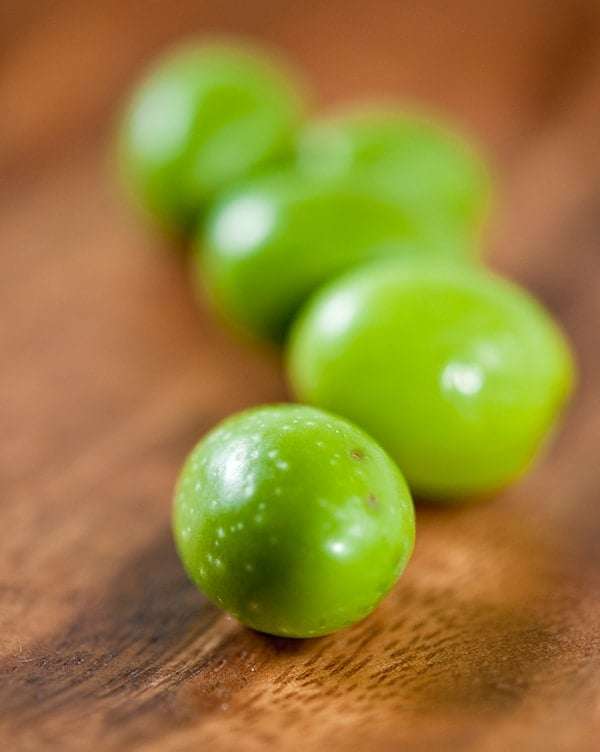
To prepare Brine Cured Green Olives, fresh green olives are carefully inspected and any damaged ones discarded to ensure quality. They are placed into a large non-reactive container such as a stoneware crock or glass jar. A brine mixture combining kosher salt, distilled vinegar, and water is stirred until dissolved at room temperature and poured over the olives. It’s important that the olives remain submerged by at least two inches to avoid mold and spoilage, which is achieved by placing a plate or weighted object on top. The container is then loosely covered and stored in a cool, dark area ideally below 75°F to prevent the olives from softening.
The brining duration allows the olives to cure and develop a balanced taste that can range from tart to mildly salty depending on the exact conditions and length of curing. The technique is traditional for preserving fresh olives and can be adapted with the addition of aromatic herbs and spices to customize flavor.
Ingredients
- 4 pounds green olives fresh
- 1 cup kosher salt
- 1 gallon water
- 1 cup distilled vinegar
Instructions
- Assuming you've already checked your olives for worm scars (see headnotes), discard any with too many blemishes. Place the olives in a stoneware crock or large glass jar with a lid carefully. Fresh olives actually do bruise easily.
- Mix the vinegar, salt and water together. No need to boil, as it will dissolve at room temperature. Pour this over the olives, making sure they are submerged by at least 2 inches. Add more brine in the same ratio if need be.
- Chances are the olives will float. You need to keep them away from air, so I put a plate over them that is just about the size of the jar or crock. You can also use a plastic bag filled with water to keep the olives away from air. Once the olives are submerged, cover the jar or lid (lightly screw on the top if there is one) and place the container in a cool, dark place. A basement is ideal. You don't want them to ever get beyond 75°F if you can help it, because at higher temperatures the olives can go soft. Since this is a wintertime cure, it should not be a problem. Low temperatures are fine, just don't let them freeze. Let them sit for several months.
- As time passes, you will see a scum of mold and weirdness form on the top. This is normal. Skim it off once a week and you'll be fine. At some point the brine itself will get pretty icky. I like to change the brine every month or so, but this is not strictly needed. The olives are done when they are no longer bitter, anywhere from 2 to 4 months.
- Only now do you add other seasonings, like chile peppers, black peppercorns, herbs or citrus peel. Do this in a fresh brine, and let this new, flavorful brine sit 2 weeks before serving. Store the olives in this brine, in a cool place or refrigerator, for up to 2 years. I keep them in quart Mason jars.
Notes
- Discard olives with many blemishes or worm scars before curing.
- Keep olives submerged under the brine by weighting them with a plate or water-filled plastic bag.
- Store curing olives in a cool, dark place below 75°F to prevent softening.
- Optional flavorings include dried chiles, citrus or bay leaves, thyme, rosemary, or garlic cloves.
Nutrition Information
Show DetailsNutrition Facts
Serving: 20servings
Amount Per Serving
Calories 132 kcal
% Daily Value*
| Calories | 132kcal | 7% |
| Carbohydrates | 3g | 1% |
| Protein | 1g | 2% |
| Fat | 14g | 22% |
| Saturated Fat | 2g | 10% |
| Sodium | 1412mg | 59% |
| Potassium | 38mg | 1% |
| Fiber | 3g | 12% |
| Sugar | 1g | 2% |
| Vitamin A | 357IU | 7% |
| Calcium | 47mg | 5% |
| Iron | 1mg | 6% |
* Percent Daily Values are based on a 2,000 calorie diet.
User Reviews
Overall Rating
5
You'll Also Love