Homemade Pizza Dough
User Reviews
4.7
Homemade Pizza Dough
Description
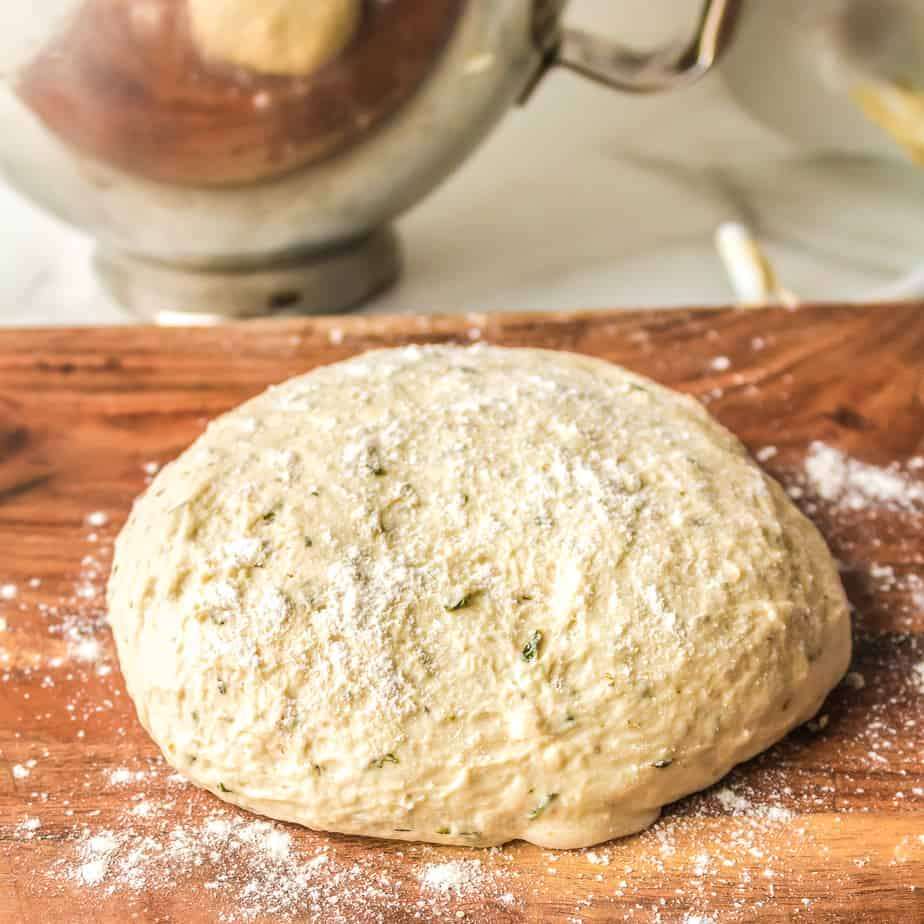
Homemade Pizza Dough begins with proofing active dry yeast in warm water with a little sugar until frothy, indicating active yeast. Flour, salt, and optional Italian seasoning are combined separately. The wet yeast mixture is incorporated with flour, olive oil, and additional water to form a dough. Mixing continues until the flour is fully incorporated, either by stand mixer or hand kneading, until elastic and smooth.
The dough is then allowed to rise in an oiled bowl covered with a kitchen towel in a warm spot for about 30 minutes, where it expands and develops flavor. This dough can be used immediately for pizza or refrigerated for later use.
Once risen, the dough is shaped into a 12-inch base and can be baked with toppings. Cornmeal or oil can be used on the baking tray to prevent sticking. It’s suitable for making various pizzas including classic pepperoni styles.
Temperature of water is important; it should feel like a warm bath to touch (around 110°F). If mixing by hand, knead for at least five to seven minutes to develop elasticity, adding flour sparingly if sticky. Use oils with high smoke points for cooking. Avoid baking on parchment paper at high temperatures above 425°F.
Ingredients
- 1 teaspoon sugar
- 1 cup water divided, should be warm to the touch but not hot, warm
- 2 1/4 teaspoons active dry yeast one packet
- 2 ½ cups flour
- 1 teaspoon salt
- 1 tablespoon Italian seasoning optional
- 4 tablespoons olive oil divided
- 1/4 cup cornmeal optional
Instructions
Proofing The Yeast
- In a bowl add the sugar, ½ cup of warm water and one packet of active dry yeast and stir. This can be done right in the base of a stand mixer or in a separate bowl. The water you use should be warm to the touch, but not super hot or you may kill the yeast.
- Allow the yeast to set for 10 minutes. This is called proofing, and allows the yeast to begin to grow and expand. Your mixture should turn frothy looking on top, and should smell a bit earthy. If the yeast doesn’t have frothy bubbles on the top after 10 minutes, you may need to try again with new yeast.
Mixing The Pizza Dough
- Mix together the flour, salt and Italian seasoning blend (optional) until combined. Add the flour mixture to the yeast mixture. Add 3 tablespoons of the olive oil and an additional ½ cup of warm water on top to the dough mixture.
- Start the mixer or food processor with the dough attachment. Mix until the flour combines, about a minute. Turn the speed up on the mixer to medium high and mix for a full five minutes. The dough should pull away from the bowl and be stretchy when you are done. See notes if mixing by hand.
Letting The Dough Rise
- Add a tablespoon of olive oil to a heatproof bowl. With a silicone brush, brush the oil in a thin layer all over the inside of the bowl. Transfer the dough to the bowl and cover with a clean kitchen towel. Place the dough in a warm place near the stove as it warms up, and allow it to rise for 30 minutes.
Stretching The Dough
- Add a light handful of flour to a clean surfacem your rolling pin, and a sprinkle of flour to the dough. Kneed the dough just a few times by gently stretching the dough, folding it in half and then digging the heels of your hand into the dough. Just a couple of quick kneads will help you start stretching the dough and adding flour if it is too sticky. Then start rolling and streching the dough to use with your favorite recipe.
To Make Pizza
- Preheat the oven to 450 degrees. Oil the pan or add a handful of cornmeal evenly to the pan for a crunchy bottom that doesn't stick to the pan.
- With your hands or a floured rolling pin, begin to stretch the dough. Keep stretching the dough until it is about 12 inches across. If a hole develops you can pinch the dough back together, or even reroll it into a ball and try to stretch the dough again until you have a 12 inch wide circle.
- Cover with toppings then bake for 10-12 minutes or until the pizza is golden brown on the outside and fully cooked in the center.
Notes
- The recipe makes one 12-inch pizza crust but the dough is versatile for other uses.
- Water temperature should be about as warm as a bath (approximately 110°F) to properly activate yeast without killing it.
- If mixing by hand, knead the dough for 5-7 minutes until elastic; add small amounts of flour if dough feels too sticky.
- Let the dough rise in a warm place covered with a towel for about 30 minutes until doubled in size.
- Use cornmeal or oil on the baking surface to prevent sticking; avoid parchment paper when baking at temperatures above 425°F.
Nutrition Information
Show DetailsNutrition Facts
Serving: 8slices
Amount Per Serving
Calories 219 kcal
% Daily Value*
| Calories | 219kcal | 11% |
| Carbohydrates | 32g | 11% |
| Protein | 5g | 10% |
| Fat | 8g | 12% |
| Saturated Fat | 1g | 5% |
| Polyunsaturated Fat | 1g | 6% |
| Monounsaturated Fat | 5g | 25% |
| Sodium | 293mg | 12% |
| Potassium | 82mg | 2% |
| Fiber | 2g | 8% |
| Sugar | 1g | 2% |
| Vitamin A | 11IU | 0% |
| Vitamin C | 1mg | 1% |
| Calcium | 17mg | 2% |
| Iron | 2mg | 11% |
* Percent Daily Values are based on a 2,000 calorie diet.
User Reviews
Overall Rating
4.7
You'll Also Love