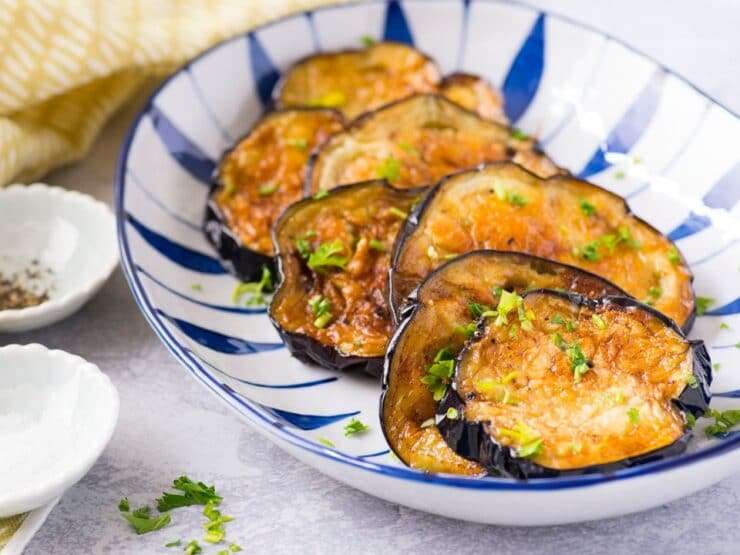
How to Fry Eggplant with Less Oil
User Reviews
4.9
How to Fry Eggplant with Less Oil
Description
The method begins by slicing a medium eggplant into half-inch rounds, which are salted and rested to draw out moisture and bitterness. After 20-30 minutes, the slices develop beads of liquid on the surface and are then rinsed to remove excess salt and bitterness. After drying, the slices are lightly seasoned with black pepper and prepared for frying.
Using egg white coating before frying creates a barrier that reduces oil uptake, extending the usability of cooking oil during multiple batches. Frying in an oil with a high smoke point such as grapeseed, avocado, or peanut oil yields a nicely browned edge and tender cooked eggplant with less oily residue. This technique helps maintain a better texture and reduces excess grease.
This approach is helpful for those who enjoy eggplant fried dishes but want to limit oil use while still achieving a crisp-tender result. Proper salting and rinsing ensure bitterness is minimized, while the egg white coating optimizes frying efficiency and texture.
Ingredients
- 1 pound eggplant about 1 medium
- salt
- black pepper
- 2 large egg white
- oil grapeseed, avocado, and peanut oil work well, with a high smoke point for frying
Instructions
- Slice the eggplant into 1/2 inch rounds. Place the rounds in a colander and sprinkle them with salt (sea salt, kosher salt, any kind of salt will work). Make sure each eggplant round has a thin sprinkling of salt on it. Let the slices sit for 20-30 minutes until beads of liquid form on the surface. This process helps to remove any bitterness that may be present in the eggplant. Note that if you're using smaller eggplant pieces here, like Japanese eggplant, they are very rarely bitter and likely will not need salting. I usually use a medium-sized eggplant in this preparation because I like the size of the slices it produces for frying.
- Rinse the eggplant pieces thoroughly to remove the salt. Pat dry and spread out on a cutting board. Sprinkle the eggplant slices lightly with salt. The salt from the colander will be mostly gone after rinsing; if you're salt sensitive, you can skip adding salt at this point and add to taste after frying. Sprinkle the slices lightly with black pepper (also optional, but recommended). Whisk the two egg whites in a small bowl for about 60 seconds. Brush the seasoned eggplant slices with a THIN layer of egg white, making sure the entire white surface of the slice is coated. Turn the slices and brush the other side with another thin layer of egg white, so all white surfaces of the slices are covered with egg white.
- Heat 1/4 inch of grapeseed oil in a nonstick skillet over medium until hot enough for frying. The ideal temperature for frying eggplant is about 365-375 degrees F. The best way to monitor the temperature is to use a deep fry or candy thermometer; or, you can drop a small piece of bread into the oil. If it takes 60 seconds to brown, the oil temperature is perfect for frying. Heat up the oil while you're brushing the eggplant slices with egg white to save on time!
- Place 3 slices gently into the hot oil (do not cook more than 3-4 slices per batch, or the oil temperature will drop). Careful, it may splatter a bit, especially during the first minute or so of cooking. Let the slices fry for 2-3 minutes on each side until golden brown.Remove slices from the hot oil and drain on a drying rack or paper towel.
Notes
- Salting eggplant slices for at least 20 minutes removes bitterness and excess moisture.
- Rinse and thoroughly pat the eggplant dry before frying to prevent splattering.
- Coating eggplant with egg white before frying reduces oil absorption and extends cooking oil usage during multiple batches.
- Use oils with a high smoke point such as grapeseed, avocado, or peanut oil for frying.
- Adjust salt and pepper after frying if needed, especially if you are salt sensitive.
Nutrition Information
Show DetailsNutrition Facts
Serving: 4servings
Amount Per Serving
Calories 36 kcal
% Daily Value*
| Calories | 36kcal | 2% |
| Carbohydrates | 6g | 2% |
| Protein | 2g | 4% |
| Sodium | 29mg | 1% |
| Potassium | 286mg | 6% |
| Fiber | 3g | 12% |
| Sugar | 4g | 8% |
| Vitamin A | 25IU | 1% |
| Vitamin C | 2.5mg | 3% |
| Calcium | 10mg | 1% |
| Iron | 0.3mg | 2% |
* Percent Daily Values are based on a 2,000 calorie diet.
User Reviews
Overall Rating
4.9
You'll Also Love