How to Make Chicken Broth
User Reviews
5
How to Make Chicken Broth
Description
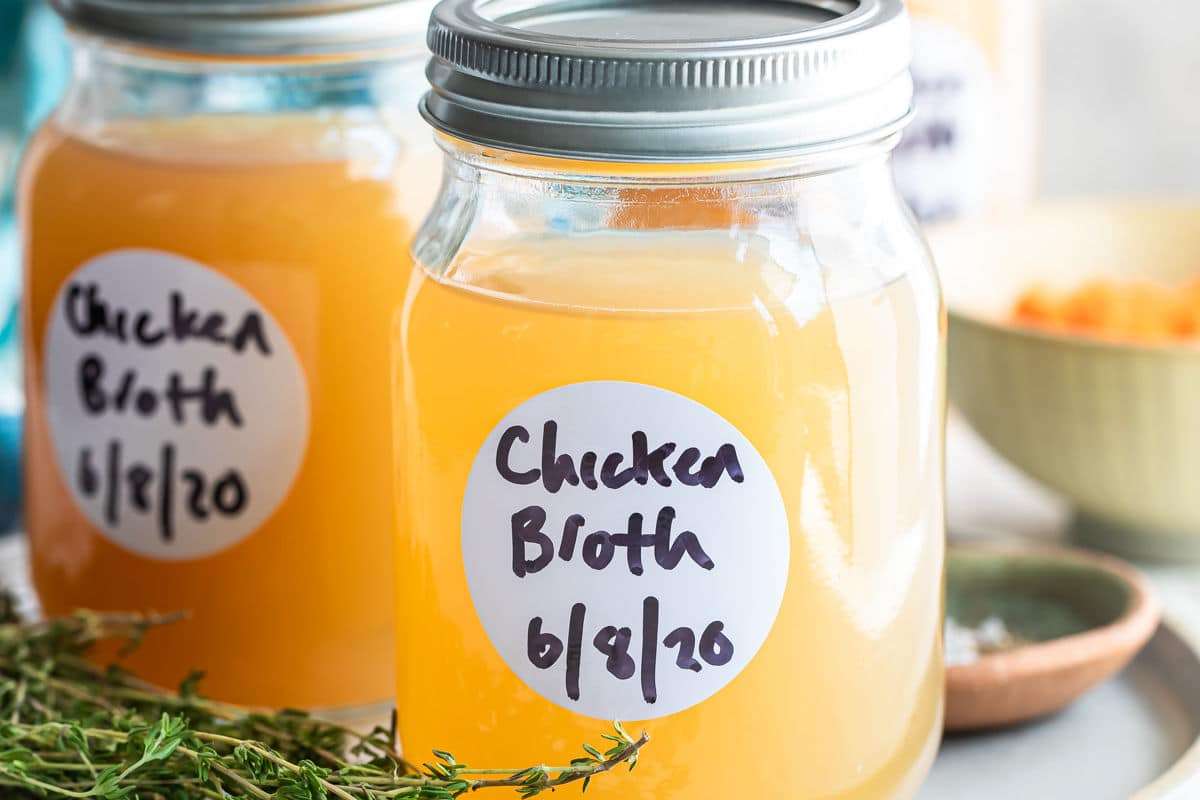
How to Make Chicken Broth starts with a whole chicken or about 4 to 5 pounds of bone-in, skin-on chicken parts placed in a large pot with cold water. Bringing the water to a boil, then reducing to a low simmer while skimming the foam, ensures a clean broth. Vegetables—onion, carrot, and celery—along with salt and a sachet of fresh herbs and spices, are added to infuse flavor. Simmering gently for at least 1 hour allows the chicken and vegetables to release their essence into the broth. The chicken breasts are removed after 1 hour to avoid drying out. Afterwards, the broth is strained and chilled. This slow, careful process results in a clear, richly flavored broth that can be used as a base for many recipes or enjoyed on its own.
The broth’s flavor deepens with longer simmering times, up to 5 hours, depending on desired intensity. The use of fresh vegetables, whole peppercorns, and whole herbs in a sachet helps keep the broth clear by making it easier to remove solids after cooking. Straining through a fine mesh or cheesecloth further clarifies the broth. The final product yields about 8 cups of broth and about 4 cups of cooked chicken meat, which can be repurposed for other dishes.
Store the finished broth in the refrigerator and use within 4 days. The method emphasizes starting with cold water for clarity and recommends discarding liver if using giblets to avoid off flavors. This homemade chicken broth’s clean taste and depth come from the thoughtful simmering process and well-chosen ingredients, making it a foundational component for many home-cooked meals.
Ingredients
- 1 to 5 pound chicken cut into pieces and giblets removed (see note 1 & 2, whole
- water about 12 cups (see note 3, cold
- 1 medium onion peeled and halved
- 1 large carrot peeled and coarsely chopped, or 2 medium carrots (see note 4)
- 1 celery coarsely chopped, rib
- 1 tablespoon salt
Sachet (see note 5):
- 6 parsley fresh stems
- 1 prig thyme fresh
- 2 cloves garlic
- 1 bay leaf
- 1 teaspoon black peppercorns whole
Instructions
- To a Dutch oven or large stock pot, add chicken and cold water to cover (see note 3).
- Over medium-high heat, bring to a boil. Immediately reduce heat to low and skim the foam off the top.
- To the pot add onion, carrot, celery, and salt. If desired, tie parsley stems, thyme, garlic, bay leaf, and peppercorns to make a sachet or add loosely to the pot (see note 5).
- Simmer gently (bubbles should barely break the surface at irregular intervals) until the chicken is cooked through, at least 1 hour or up to 5 hours. The longer the broth simmers, the more flavor it will have. (NOTE: After 1 hour, you should remove the chicken breasts from the pot to prevent them from drying out).
- Remove chicken from pot to a rimmed baking sheet or large bowl. Separate chicken, discarding skin and bones (you should have about 4 cups chicken).
- Strain the broth through a fine-mesh strainer or cheesecloth. Place in a large bowl and chill covered overnight in the refrigerator.
- The next day, scrape off the accumulated fat from the top of the stock and discard. Divide the broth into freezer-safe containers (leaving at least 1/2-inch for expansion), label, and freeze. Or, refrigerate and use within 4 days.
Notes
- Use cold water at the start to achieve a clear broth.
- Remove chicken breasts after 1 hour to prevent drying out.
- Fresh vegetables for the broth provide better flavor than scraps.
- Herbs and spices in a sachet make it easier to remove solids after cooking.
- Store broth in a covered container in the refrigerator and use within 4 days.
Nutrition Information
Show DetailsNutrition Facts
Serving: 8cups
Amount Per Serving
Calories 13 kcal
% Daily Value*
| Serving | 1cup | |
| Calories | 13kcal | 1% |
| Carbohydrates | 3g | 1% |
| Protein | 1g | 2% |
| Fat | 1g | 2% |
| Saturated Fat | 1g | 5% |
| Cholesterol | 1mg | 0% |
| Sodium | 884mg | 37% |
| Potassium | 69mg | 1% |
| Fiber | 1g | 4% |
| Sugar | 1g | 2% |
| Vitamin A | 1589IU | 32% |
| Vitamin C | 3mg | 3% |
| Calcium | 12mg | 1% |
| Iron | 1mg | 6% |
* Percent Daily Values are based on a 2,000 calorie diet.
User Reviews
Overall Rating
5
You'll Also Love