How To Make Pork Panko
User Reviews
5
-
Cook Time
3 mins
-
Total Time
3 mins
-
Servings
4 About 2 cups
-
Calories
135 kcal
-
Course
Side Dish
How To Make Pork Panko
Description
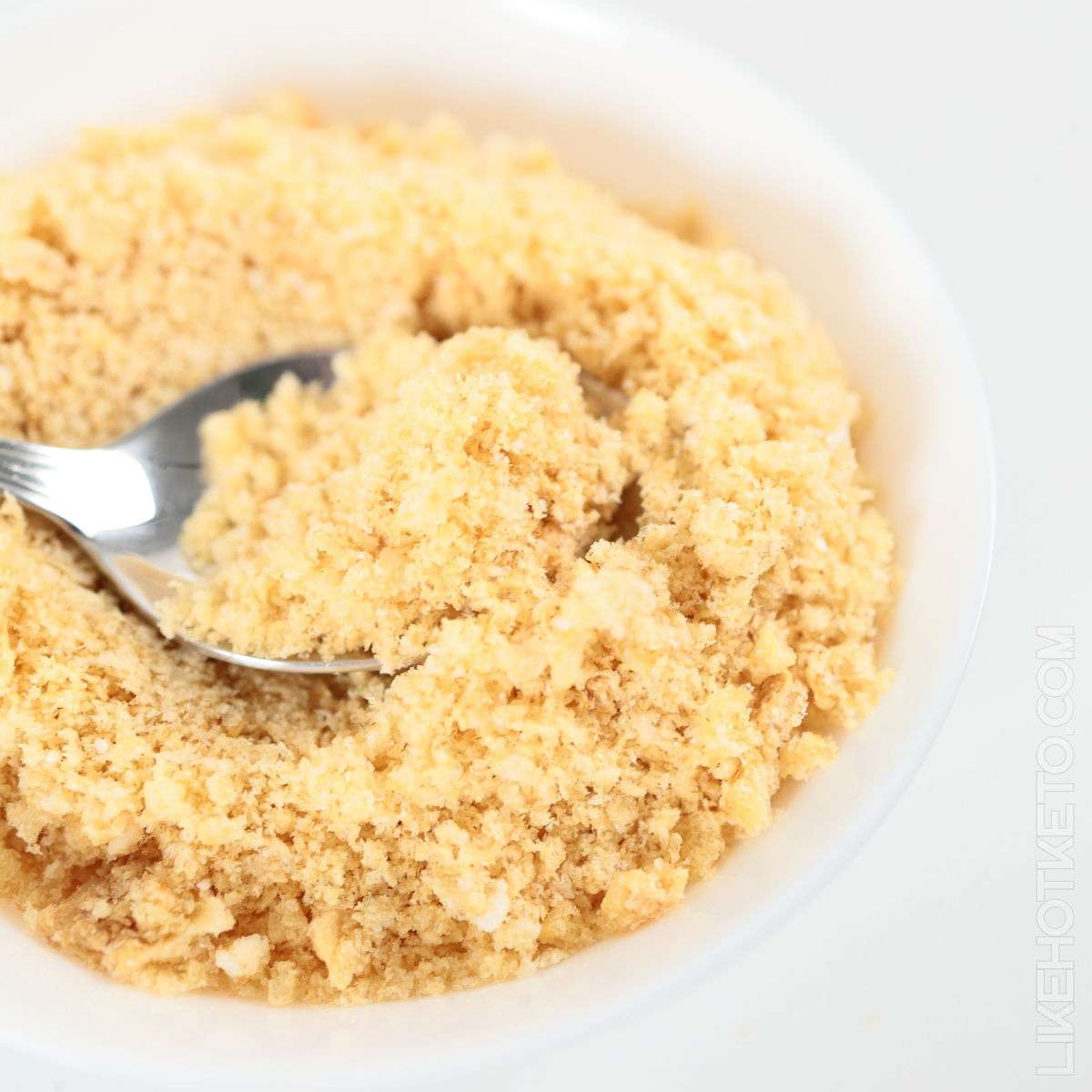
How To Make Pork Panko shows how to transform plain salted pork rinds into versatile breadcrumb substitutes by breaking them down into crumbly textures. Using either a food processor or blender quickly yields large, airy crumbs similar to classic panko, or finer crumbs with additional pulsing. Alternatively, the rolling pin method offers a manual process for coarser crumbs without electric appliances. The resulting pork panko works well as a coating to add crunch on fried or baked dishes, though it does not act as a binder or moisture-retaining agent in recipes like meatloaf or crab cakes. This recipe lets cooks customize seasoning separately and use paleo- or keto-friendly breading options tailored to specific dishes. The pork panko should be stored airtight at room temperature, following the pork rinds package best-by date.
The texture of pork panko is notably light and crisp because of the puffed pork rind base. The food processor method tends to give a drier, fluffy crumb, while the rolling pin yields chunkier pieces. The homemade pork panko's low moisture content makes it unsuitable for recipes needing moisture absorption or binding, so pick your breading application accordingly. By controlling crumb size via pulsing or manual crushing, this method provides flexibility for coating various foods like chicken, fish, or vegetables before frying or baking.
This preparation is practical for cooks wanting an alternative to wheat-based panko or those following low-carb diets. It allows the creation of a crunchy topping or crust using a simple technique and easily sourced ingredients. While the pork panko replaces traditional breadcrumbs one-to-one for breading, it's not interchangeable when moisture retention or binding is required in the recipe formulation.
Use plain salted pork rinds without added flavors to best control the seasoning of your pork panko.If some pork rind pieces remain too large after blending, process them separately or use the rolling pin method to finish breaking them up.Store homemade pork panko in an airtight container at room temperature, respecting the shelf life of the original pork rinds.Use pork panko as a direct replacement for Japanese panko or traditional breadcrumbs in breading applications, but not in recipes needing breadcrumbs for moisture or binding.
Ingredients
- 2.5 .5 ounces pork rinds (1 bag)
Instructions
Food processor instructions:
- Add all the pork rinds that fit inside your food processor, and blitz them until they look like panko (large, fluffy crumbs). If you want finer crumbs (similar to traditional style breadcrumbs) pulse a few more times to make the crumbs finer.
Blender instructions:
- Fill the blender jar just 1/3 of the way with pork rinds. Pulse until you get the desired crumb texture. Transfer the blended pork panko to a separate container before proceeding with a new batch of pork rinds.
Rolling pin and freezer bag method:
- Fill a sturdy ziploc bag or freezer bag with the pork rinds, and roll out the air from the bag as you close it. Using a rolling pin (or a wine bottle) tap all over the pork rinds to break them down into smaller pieces first, and then start rolling until you get panko crumbs. This method won't make the crumbs as fine as in the food processor/blender.
Notes
- Use plain salted pork rinds without added flavors to control seasoning.
- If blending leaves large pieces, process separately or use rolling pin to break up.
- Store pork panko in airtight container at room temperature within pork rinds shelf life.
- Substitute pork panko 1:1 for breading needs; not suitable as moisture/binder replacement.
Nutrition Information
Show DetailsNutrition Facts
Serving: 4About 2 cups
Amount Per Serving
Calories 135 kcal
% Daily Value*
| Serving | 1 | |
| Calories | 135kcal | 7% |
| Carbohydrates | 0g | 0% |
| Protein | 15g | 30% |
| Fat | 8g | 12% |
| Fiber | 0g | 0% |
| Sugar | 0g | 0% |
| Net Carbohydrates | 0g |
* Percent Daily Values are based on a 2,000 calorie diet.
User Reviews
Overall Rating
5
You'll Also Love