No Knead Bread
User Reviews
5
No Knead Bread
Description
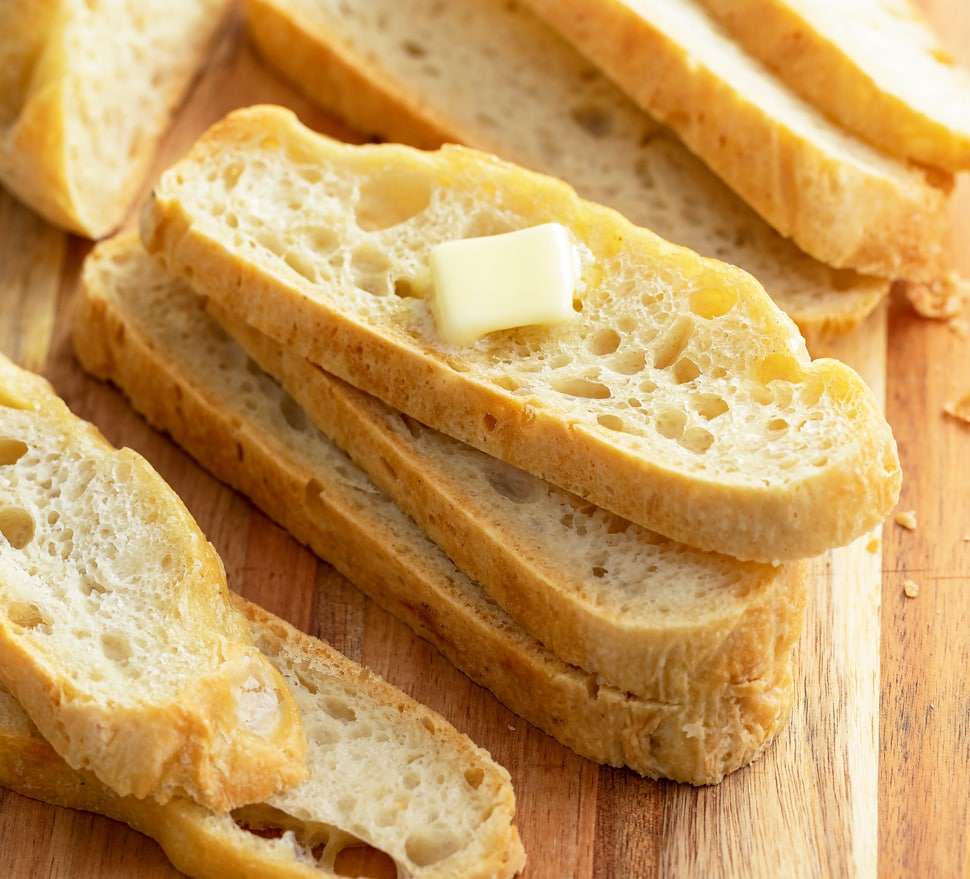
No Knead Bread uses yeast, sugar, water, bread flour, salt, olive oil, and butter combined into a sticky dough. Instead of kneading, the dough is gently mixed and left to rise for 2-3 hours until doubled. The hydrated dough permits gluten development naturally over time, creating an airy texture with irregular holes.
The dough is shaped carefully using a silicone spatula to preserve air bubbles, then optionally refrigerated to develop more flavor before baking. Baking in a Dutch oven traps steam for a crisp crust, while instructions for non-Dutch oven baking involve adding water to a pan to create steam. The result is a bread with a crisp, golden crust and soft, open crumb.
This bread can be stored at room temperature for several days or frozen in slices for later use. Tips include maintaining gentle handling to keep the airy crumb structure and adjusting rising conditions to suit your environment. Using non-iodized salt is recommended to avoid bitterness.
Ingredients
- 2 teaspoons instant yeast active or rapid rise will work as well.
- 2 teaspoons sugar
- 1 ½ cups water 100° F, barely warm
- 3 cups bread flour 360 grams
- 2 teaspoons salt see notes
- 1 tablespoon olive oil
- 1 tablespoon butter
Instructions
- See notes for making this without a Dutch oven.
- Note: The dough in this recipe is sticky, gently handle with a silicone spatula throughout this process. (Not your hands.)
- Combine the yeast, sugar, and water in a small bowl. Cover with saran wrap and let sit for 5 minutes.
- Combine the flour and salt and stir to combine. Add the olive oil and water/yeast mixture and use a silicone spatula to combine until all of the flour is moist. The dough will be sticky.
- Roughly shape into a ball and be sure to spray the top with cooking spray. Cover with saran wrap, and then with a dish towel. Let rise for 2-3 hours, until at least doubled in size. See notes for rising tips.
- Optional step after rising: Transfer to the fridge for up to 3 days to develop more flavor. It will rise more, and may eventually deflate slightly, but that’s okay. After refrigerating, proceed with the steps below.
- Use a silicone spatula to scrape the dough out of the bowl and turn it onto a sheet of floured parchment paper. Use a silicone spatula to fold the dough onto itself, by taking the outer edges and folding them into the middle, until a sturdier ball is formed. Spray with nonstick cooking spray, and cover loosely with saran wrap. Let it rest/rise for 45 minutes while you preheat the oven.
- Preheat the oven to 425° F and place the Dutch oven inside, uncovered. (Verify that this is an acceptable practice with your brand of Dutch oven, some advise against preheating it with nothing inside.)
- Remove the saran wrap from the dough. Using oven mitts, remove the Dutch oven from the oven. Lift the parchment paper and carefully lower the parchment paper and dough into the Dutch oven. Close the lid right away and transfer it to the oven.
- Bake for 40 minutes. Remove it from the oven and use a pastry brush to distribute 1 tablespoon of butter over the top, until melted. This will help it achieve a golden-brown color.
- Return it to the oven, uncovered, and bake for 10-12 minutes, or until golden brown on top.
- Allow the bread to cool for at least 5 minutes before slicing in. Serve with Olive Oil Bread Dip!
Notes
- If you don’t have a Dutch oven, bake on a floured sheet or cast iron skillet with water in a pan below to create steam for crust.
- Use gentle folding and a silicone spatula to handle sticky dough without deflating it.
- If dough isn’t rising, provide warm, humid conditions like a heated oven turned off or covered with a warm towel.
- Store bread at room temperature for up to 5 days, refrigerate up to 10 days, or freeze for up to 3 months.
- Weigh flour accurately and use non-iodized salt for better flavor.
Nutrition Information
Show DetailsNutrition Facts
Serving: 1loaf
Amount Per Serving
Calories 1687 kcal
% Daily Value*
| Calories | 1687kcal | 84% |
| Carbohydrates | 290g | 97% |
| Protein | 55g | 110% |
| Fat | 33g | 51% |
| Saturated Fat | 10g | 50% |
| Polyunsaturated Fat | 5g | 29% |
| Monounsaturated Fat | 15g | 75% |
| Trans Fat | 0.5g | 25% |
| Cholesterol | 30mg | 10% |
| Sodium | 4761mg | 198% |
| Potassium | 609mg | 13% |
| Fiber | 15g | 60% |
| Sugar | 9g | 18% |
| Vitamin A | 357IU | 7% |
| Vitamin C | 0.1mg | 0% |
| Calcium | 70mg | 7% |
| Iron | 4mg | 22% |
* Percent Daily Values are based on a 2,000 calorie diet.
User Reviews
Overall Rating
5
You'll Also Love