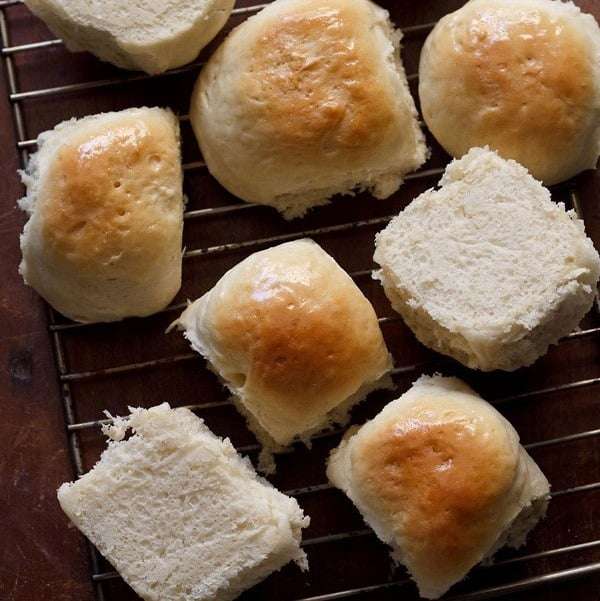
Pav Recipe | Ladi Pav | Pav Bread
User Reviews
4.7
Pav Recipe | Ladi Pav | Pav Bread
Description
"Pav Recipe | Ladi Pav | Pav Bread" outlines how to create this traditional Indian bread staple starting from yeast activation in a portion of flour and water, resulting in a frothy batter. The recipe then combines remaining flour, oil or softened butter, and salt with this starter to form a dough. Kneading develops gluten for elasticity and structure, essential for soft yet durable rolls. The dough is oiled and covered, then left to leaven until it doubles in size, about 20 to 25 minutes with instant or fresh yeast.
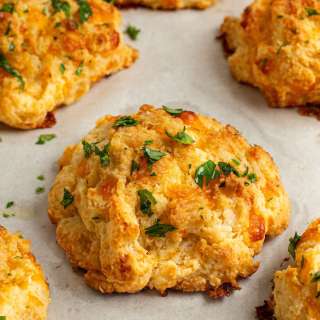
The dough is shaped into pav portions and baked until the top crust lightly browns. Brushing the tops with milk or butter before and after baking enhances softness and flavor. This bread is known for its pillowy texture with a tender crumb and a subtle golden crust.
Pav is commonly served as a side to dishes like pav bhaji or vada pav, complementing spicy or saucy preparations. The dough can adapt in quantity, and oil or butter incorporation affects crumb richness and softness.
Tips from the notes include adjusting flour or water to manage dough stickiness, protecting the bread from overbrowning with foil during baking, and options for kneading by hand or machine. Yeast type influences leavening time, and unbleached all-purpose or bread flour can be used.
Ingredients
- 3.25 to 3.5 cups all-purpose flour (maida) - I added 3.25 cups flour
- 2 tablespoons neutral cooking oil or softened butter, use any neutral flavored oil, generic cooking oil
- 1 teaspoon instant yeast or 1.5 teaspoon dry active yeast or 1 tablespoon fresh yeast
- 2 teaspoons sugar
- 1 teaspoon salt or add as required
- 1 cup water - lukewarm, do add water if needed later
- 1 to 2 tablespoons milk - for brushing, optional
- 1 to 2 tablespoons butter - melted, for brushing on pav bread
Instructions
Making dough
- In a bowl take 1 cup of all-purpose flour, instant yeast and sugar.
- Add 1 cup lukewarm water. Stir or whisk to make a smooth thick batter without any lumps.
- Cover and keep the bowl for 30 to 40 minutes till you see a bubbly and frothy layer on the top. The batter would also have risen.
- Add oil, salt and 1 cup flour. Mix with a spoon or spatula.
- Next add 1.25 cup flour. Mix again and then begin to knead for about 10 to 12 minutes.
- If the dough appears sticky then you can about ¼ cup flour more or as needed. The proportion of water to be added, depends on the quality of the flour. I added 3.25 cups flour for 1 cup of lukewarm water.
- Knead very well to a smooth, soft, supple and elastic dough.
- Place dough in a bowl. Spread oil or softened butter all over the dough.
Leavening pav dough
- Cover the bowl with a lid or a kitchen cotton napkin and keep the bread to leaven for 20 to 25 minutes.
- Once the pav dough has risen and doubled, then gently punch and deflate the dough and form a neat log.
- Cut the log into equal sizes. Take each portion and roll between your palms to get a smooth round roll.
- Make rolls this way and place them in a greased tray keeping 1 inch space between all of them.
- Cover and allow the second rise for 25 to 30 minutes. The small buns would increase in size.
Baking ladi pav
- Just before 15 minutes you bake the pav, preheat the oven at 200° C/ 390° F.For a regular oven, heat both the top and bottom elements. For a microwave oven with convection mode, preheat for 15 minutes at 180° C/356° F.
- Then brush the pav buns with some milk. This gives a golden color to laadi pav.
- Place the baking tray in the center rack in a preheated oven at 200° C/ 390° F for 25 to 30 mins or till the tops turn golden and the pavs sound hollow on tapping. For baking in the microwave oven at convection mode, bake at 180° C/356° F.
- Remove them from the tray (with a spatula) and place on a wired rack or wired tray, so that they don't become softened and moist from the bottom due to heat condensation.
- Brush melted butter or spread softened butter on top of the pavs. This is an optional step.
- Serve the Pav warm or at room temperature with any curry, vegetable dish or just as plain bun maska pav (buttered rolls) served with masala chai.
- Pav can be stored in the refrigerator for about a week. Keep them in air-tight a container or a bread box.
Notes
- Allow 20 to 25 minutes for the first rise with instant or fresh yeast; dry active yeast may require up to 1 hour.
- Adjust flour or water if dough is sticky or dry for proper consistency.
- Cover bread with foil during baking if browning too quickly to prevent over-darkening.
- Kneading can be done by hand, food processor, or stand mixer with a dough hook.
- Use unbleached all-purpose or bread flour for best results.
- Recipe quantity is flexible; can be halved or multiplied as needed.
Nutrition Information
Show DetailsNutrition Facts
Serving: 8Pav
Amount Per Serving
Calories 238 kcal
% Daily Value*
| Calories | 238kcal | 12% |
| Carbohydrates | 40g | 13% |
| Protein | 6g | 12% |
| Fat | 6g | 9% |
| Saturated Fat | 1g | 5% |
| Polyunsaturated Fat | 0.4g | 2% |
| Monounsaturated Fat | 3g | 15% |
| Trans Fat | 0.1g | 5% |
| Cholesterol | 4mg | 1% |
| Sodium | 306mg | 13% |
| Potassium | 72mg | 2% |
| Fiber | 2g | 8% |
| Sugar | 1g | 2% |
| Vitamin A | 47IU | 1% |
| Vitamin B1 (Thiamine) | 1mg | |
| Vitamin B2 (Riboflavin) | 0.3mg | |
| Vitamin B3 (Niacin) | 4mg | |
| Vitamin B6 | 0.05mg | |
| Vitamin B12 | 0.01µg | 0% |
| Vitamin C | 0.01mg | 0% |
| Vitamin D | 0.02µg | 0% |
| Vitamin E | 2mg | |
| Vitamin K | 0.5µg | |
| Calcium | 12mg | 1% |
| Vitamin B9 (Folate) | 128µg | |
| Iron | 2mg | 11% |
| Magnesium | 13mg | 3% |
| Phosphorus | 67mg | |
| Zinc | 0.5mg |
* Percent Daily Values are based on a 2,000 calorie diet.
User Reviews
Overall Rating
4.7
You'll Also Love