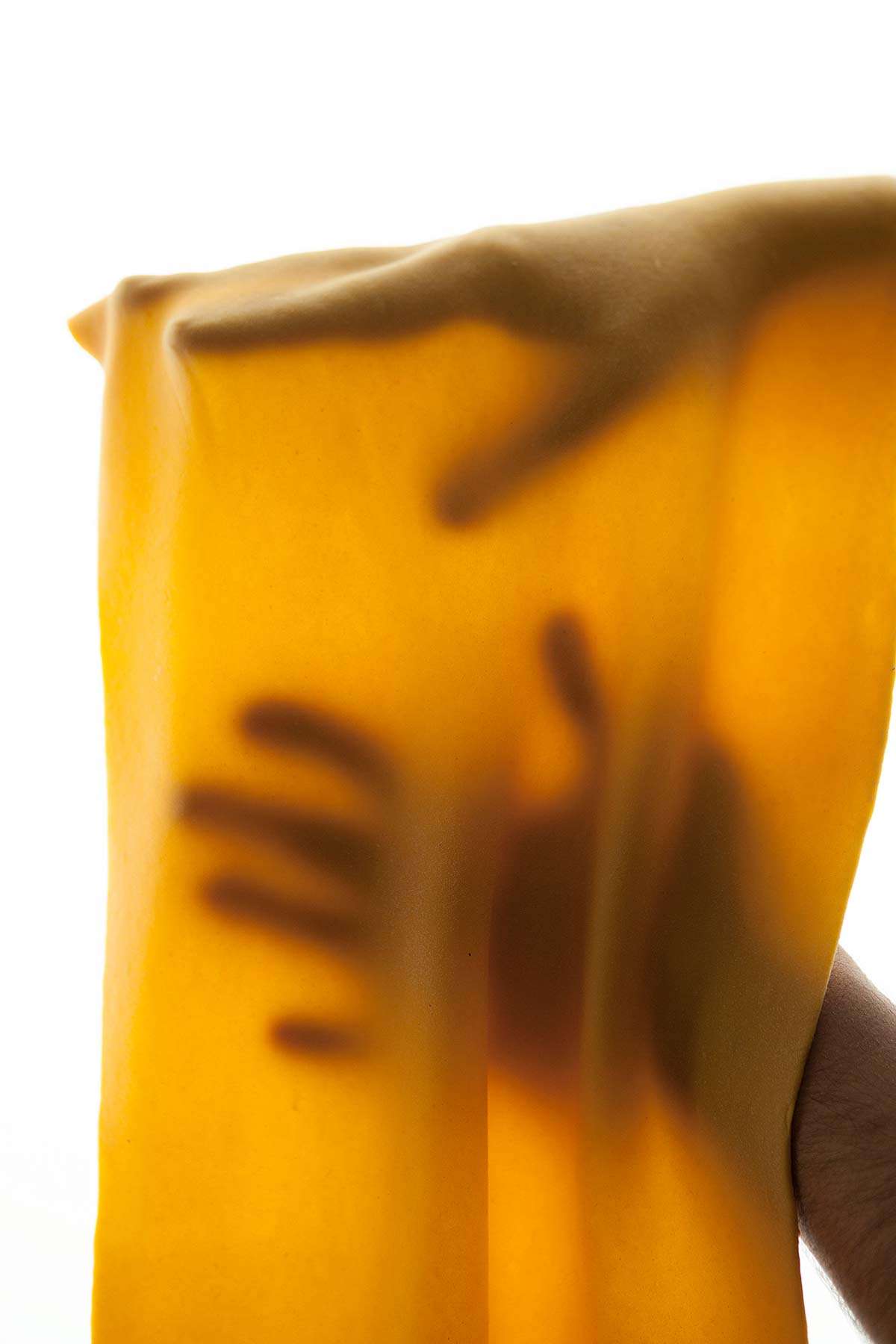
Pumpkin Pasta Dough
User Reviews
5
-
Prep Time
15 mins
-
Cook Time
30 mins
-
Total Time
45 mins
-
Servings
4 servings
-
Calories
292 kcal
-
Course
Main Course
-
Cuisine
Italian
Pumpkin Pasta Dough
Description
The Pumpkin Pasta Dough is made by mixing pumpkin puree and eggs with 00 flour and semolina flour, along with salt and a pinch of freshly grated nutmeg. The process involves pulsing the ingredients into a crumbly dough that can be adjusted for moisture with small amounts of water or flour to achieve a soft ball consistency. The result is a pasta dough infused with pumpkin’s subtle sweetness and a hint of nutmeg that lends warmth. The mixture can then be rolled and shaped into fresh pasta, offering a distinct color and flavor compared to plain pasta dough.
The dough’s texture is soft and pliable, which makes it suitable for hand-rolled noodles or other forms like ravioli. The pumpkin’s presence adds moisture and some richness, while the semolina flour helps provide a bit of bite. Such homemade pasta can complement sauces that benefit from a touch of autumn flavor.
Leftover pumpkin puree can be used elsewhere, such as stirred into macaroni and cheese to add subtle sweetness and nutrients without overpowering the dish. If substituting canned pumpkin or other winter squash purees, be mindful of moisture content to maintain dough consistency.
Ingredients
- 1/3 cup pumpkin puree such as buttercup or kabocha (or substitute canned pumpkin puree, or winter squash purée, cooked
- 2 large (preferably not extra-large) egg
- 2 to 2 1/4 cups 00 flour or unbleached all-purpose flour
- 2 tablespoons semolina flour plus more for the work surface
- 3/4 teaspoon salt fine sea salt
- Pinch nutmeg freshly grated
Instructions
Make the pumpkin pasta dough
- In a small bowl, whisk together the pumpkin and 1 of the eggs.
- In a food processor, briefly pulse 2 cups “00” flour, the semolina flour, salt, and nutmeg.
- Add the pumpkin mixture and pulse briefly to combine. Add the remaining egg and pulse until the mixture forms crumbs that look like small curds. Pinch together a bit of the mixture and roll it around. It should form a soft ball. If the mixture seems dry, drizzle in a few droplets of water and pulse briefly. If it seems too wet and sticky, add additional flour, 1 tablespoon at a time, and pulse briefly.
- Add the remaining egg and pulse until the mixture forms crumbs that look like small curds. Pinch together a bit of the mixture and roll it around. It should form a soft ball. If the pasta dough seems dry, drizzle in a few droplets of water and pulse briefly. If the pasta dough seems wet and sticky, add additional flour, 1 tablespoon at a time, and pulse briefly.
- Turn the mixture onto a clean work surface lightly sprinkled with semolina flour and press it together with your hands to form a rough ball. Knead the dough by using the palm of your hand to push the dough gently but firmly away from you, and then fold it over toward you. Rotate the dough a quarter turn, and repeat the pushing and folding motion.
- Continue kneading for several minutes, until the dough is smooth. Form it into a ball and wrap it tightly in plastic wrap. Let the dough rest at room temperature for 30 minutes before rolling and forming it into your desired pasta shape.
Shape the pumpkin pasta dough into noodles
- [Editor’s Note: You could opt to roll the pasta dough by hand using a long wooden rolling pin, although a pasta machine makes for far less work.] Feed the blob of pasta dough through a pasta machine set on the widest setting. As the sheet of pasta dough comes out of the machine, fold it into thirds and then feed it through the rollers again, still on the widest setting. Pass the pasta through this same setting a total of 4 or 5 times. This takes the place of kneading the pasta dough and ensures the resulting pasta is silky smooth.Pass the sheet of pasta dough through the machine again, repeatedly, gradually reducing the settings, one pass at a time, until the pasta achieves the desired thickness. Your sheet of pasta dough will become quite long—if you have trouble keeping the dough from folding onto itself, cut the sheet of dough in half and feed each half through separately. Generally the second-from-last setting is best for tagliatelle and the last setting is best for ravioli and any other shapes that are to be filled. To form lasagne noodles for our pumpkin lasagna recipe, stretch the dough as thin as you comfortably can, no thicker than 1/16 inch.
- If you lift a sheet with your hand, you should be able to see the shadow of your hand through it. Because lasagne noodles are layered, they need to be very thin. Using a sharp chef’s or similar knife, cut each sheet into rectangles about 4 inches by 5 inches. Click to learn how to form any other pasta shape.
Notes
- To adjust dough consistency, add small amounts of flour if too sticky or a few drops of water if too dry.
- Use leftover pumpkin puree in macaroni and cheese for a subtle sweetness and added vitamins.
- Freshly grated nutmeg enhances the depth of flavor in the dough.
Nutrition Information
Show DetailsNutrition Facts
Serving: 4servings
Amount Per Serving
Calories 292 kcal
% Daily Value*
| Serving | 1portion | |
| Calories | 292kcal | 15% |
| Carbohydrates | 61g | 20% |
| Protein | 8g | 16% |
| Fat | 1g | 2% |
| Saturated Fat | 1g | 5% |
| Monounsaturated Fat | 1g | 5% |
| Cholesterol | 2mg | 1% |
| Sodium | 439mg | 18% |
| Fiber | 3g | 12% |
| Sugar | 1g | 2% |
* Percent Daily Values are based on a 2,000 calorie diet.
User Reviews
Overall Rating
5
You'll Also Love