Steakhouse-Style Pumpernickel Bread Recipe
User Reviews
4.5
Steakhouse-Style Pumpernickel Bread Recipe
Description
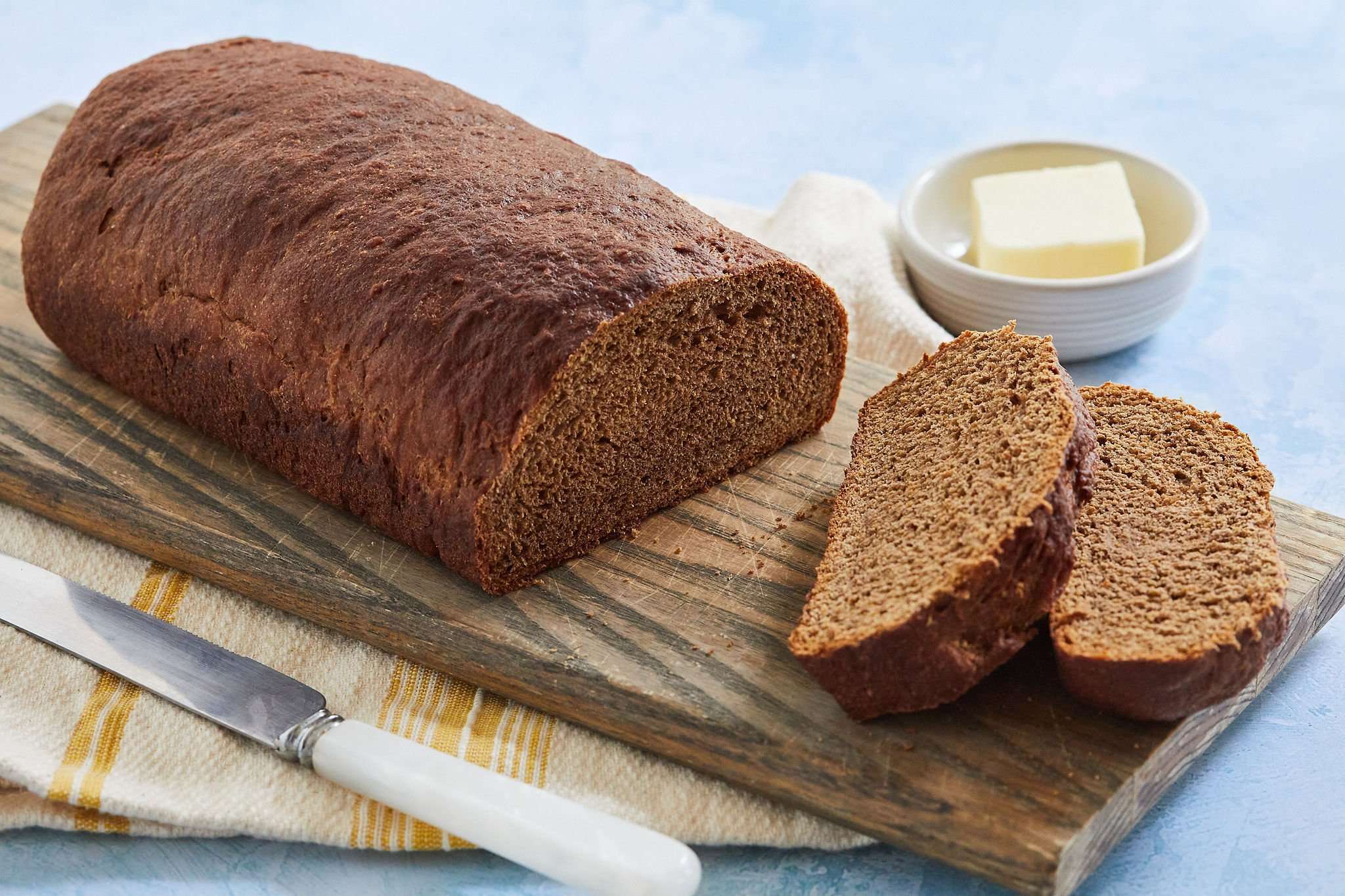
The Steakhouse-Style Pumpernickel Bread Recipe blends rye flour and cocoa powder with molasses for a distinctive dark loaf with robust flavor. The mixture of all-purpose and rye flour provides structure, while the molasses imparts slight sweetness and depth. Kneading the dough well develops gluten, resulting in a tight crumb and chewy texture. After a warm, extended rise, the dough is shaped into logs and baked to form two substantial loaves with a deep brown color and a subtle earthy note from the cocoa and rye.
The use of molasses or treacle alongside cocoa powder creates a characteristic pumpernickel tone and flavor without being overpowering. The bread’s density and complexity pair well with rich, savory foods or cheeses and are filling enough for substantial sandwiches. Toasting slices can enhance the crust’s texture and bring out molasses undertones.
For convenience, this recipe allows freezing the second loaf, and slicing before freezing makes portioning easy. Whole wheat flour can substitute rye if necessary but will alter the flavor slightly. Letting the dough proof overnight provides flexibility for baking schedules. The recipe also lends itself to shaping into smaller rolls or loaves if preferred.
Ingredients
- 2½ cups (12½ oz/355 g) all-purpose flour
- 2 cups (10 oz/282 g) rye flour (or whole wheat)
- 2 tablespoons unsweetened cocoa powder
- 5 teaspoons instant yeast
- 1 tablespoon granulated sugar
- 1 tablespoon salt
- 1½ cup (12 fl oz/360 ml) water warm
- ½ cup (5 oz/142 g) molasses (or treacle)
- 2 tablespoons vegetable oil
- egg wash
- 2 tablespoons rolled oats for garnish
Notes
- This recipe yields 2 loaves; slice and freeze one loaf for convenient portioned servings later.
- If rye flour is unavailable, substitute with whole wheat flour stored in the fridge for freshness.
- Molasses and treacle can be used interchangeably for the sweetener component.
- Prepare the dough and proof it the day before baking to save time on baking day.
- The dough can be shaped into smaller rolls or loaves instead of two large loaves if desired.
User Reviews
Overall Rating
4.5
You'll Also Love