Garlic Parmesan Pasta (One Pot!)
User Reviews
5
-
Prep Time
10 mins
-
Cook Time
10 mins
-
Total Time
20 mins
-
Servings
4 people
-
Calories
382 kcal
-
Course
Main Course
Garlic Parmesan Pasta (One Pot!)
Description
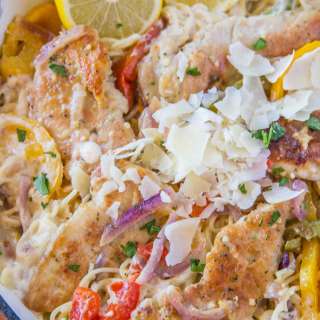
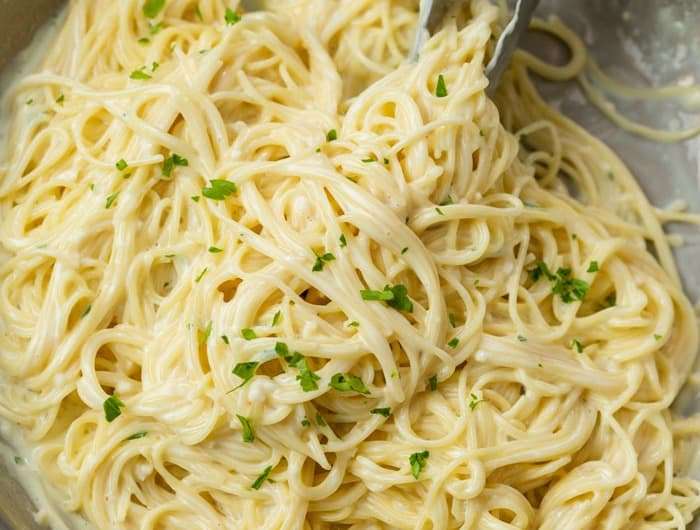
This recipe prepares Garlic Parmesan Pasta by cooking angel hair pasta in a mixture of chicken broth and milk, allowing the noodles to absorb the liquid and cooking simultaneously. Fresh minced garlic is first sautéed in butter to release aroma without browning. After adding the liquids, the pasta is gently stirred and simmered until tender, with care to prevent overcooking since angel hair is very thin and cooks quickly. Additional butter is stirred in to enrich the sauce before gradually mixing in finely grated Parmesan cheese to form a smooth coating over the pasta. The sauce ends up creamy but slightly thin, without clumping or separating, thanks to adding the cheese off-heat and stirring continuously.
Fresh parsley is sprinkled on top to add a subtle herbal freshness. The whole process involves only one pot, reducing cleanup and making this suitable for simple weeknight dinners. The pasta can be adapted with other long noodles but cooking times and liquid quantities will need adjustment.
Serving suggestions include pairing with simple sides like garlic bread or roasted vegetables. The instructions caution on timing to avoid mushy noodles and note that using a block of quality Parmesan freshly grated improves flavor and texture. The sauce can be simmered down slightly if too thin.
Ingredients
- ½ cup Parmesan Cheese finely grated
- 3 Tablespoons butter divided
- 4 cloves garlic minced, fresh
- 2 cups chicken broth
- 1 cup milk
- 8 oz. angel hair pasta
- parsley to garnish, fresh
Optional seasonings: ¼ tsp of each: onion powder, oregano, thyme, parsley, pepper.
Instructions
- Note: Angel hair cooks very quickly. Refer to the time on package and set a timer to avoid overcooking it in the sauce in step 6, as overcooked noodles become clumpy.
- Grate the Parmesan cheese and set it aside to allow it to get to room temperature.
- Melt 2 tablespoons of butter over medium heat in a large skillet.
- Add the minced garlic and cook for 1-2 minutes, stirring occasionally.
- Add the chicken broth and optional seasoning mix. Slowly add the milk, stirring as you do so. Bring to a boil.
- Add the pasta noodles. You can break them in half for a better fit, or allow them to heat and use kitchen tongs to twist them into the skillet as they soften.
- Let the pasta simmer for 4-5 minutes, stirring occasionally to ensure the noodles don't stick together. Reduce heat to low.
- Add 1 tablespoon of butter to the warm pasta and toss to coat.
- Gradually sprinkle in the Parmesan cheese, stirring as you do so, until smooth and well-combined. Note: The sauce will be thin at first but will thicken nicely upon standing. The pasta will continue to absorb more of the sauce as well.
- Sprinkle with fresh parsley and serve with Garlic Bread with Cheese!
Notes
- Use freshly grated Parmesan cheese for better flavor and smoother melting compared to pre-grated options.
- Bring the liquid to a boil before adding pasta to help achieve the right sauce consistency during cooking.
- Angel hair pasta cooks very quickly; monitor closely to avoid overcooking and clumping.
- If using regular spaghetti instead of angel hair, increase broth and milk and adjust cooking time accordingly.
- Gradually add Parmesan cheese off the heat to prevent dairy separation and achieve a creamy sauce.
Nutrition Information
Show DetailsNutrition Facts
Serving: 4people
Amount Per Serving
Calories 382 kcal
% Daily Value*
| Calories | 382kcal | 19% |
| Carbohydrates | 47g | 16% |
| Protein | 15g | 30% |
| Fat | 15g | 23% |
| Saturated Fat | 9g | 45% |
| Polyunsaturated Fat | 1g | 6% |
| Monounsaturated Fat | 4g | 20% |
| Trans Fat | 1g | 50% |
| Cholesterol | 37mg | 12% |
| Sodium | 735mg | 31% |
| Potassium | 327mg | 7% |
| Fiber | 2g | 8% |
| Sugar | 5g | 10% |
| Vitamin A | 461IU | 9% |
| Vitamin C | 9mg | 10% |
| Calcium | 244mg | 24% |
| Iron | 1mg | 6% |
* Percent Daily Values are based on a 2,000 calorie diet.
User Reviews
Overall Rating
5
You'll Also Love