Ginger Pork (Shogayaki)
User Reviews
4.8
-
Prep Time
10 mins
-
Cook Time
10 mins
-
Total Time
20 mins
-
Servings
2
-
Calories
361 kcal
-
Course
Main Course
-
Cuisine
Japanese
Ginger Pork (Shogayaki)
Description
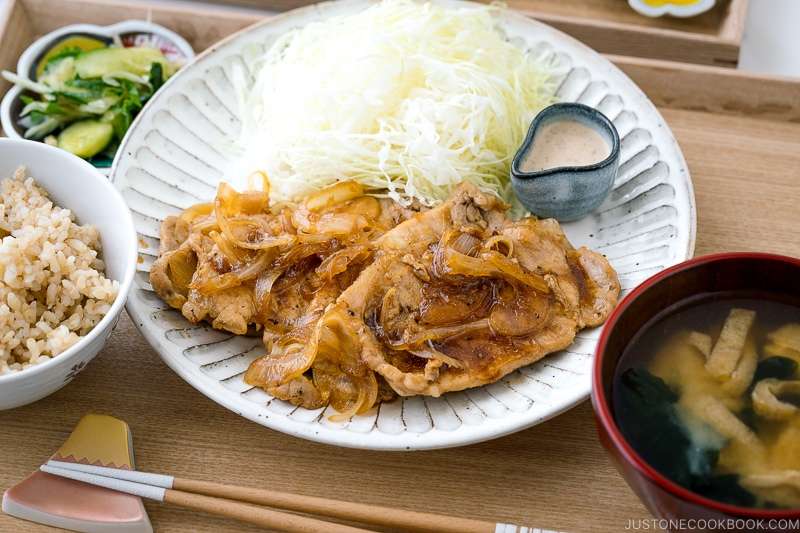
Ginger Pork, or Shogayaki, uses paper-thin pork loin slices marinated briefly in a sauce made of soy sauce, mirin, sake, sugar, grated ginger juice, and grated onion. The ginger sauce is carefully prepared by collecting ginger juice from grated ginger and combining it with grated onion juice, which adds moisture and subtle sweetness. The pork is seasoned slightly with sake and coated with flour before being cooked in a hot pan with oil, allowing for a lightly crisp edge.
The cooking method ensures the pork cooks quickly and remains tender while absorbing the bright, warming ginger and savory-sweet sauce flavors. The grated onions enhance umami and body in the sauce, balancing the fresh ginger's zing. Black pepper may be added to taste for mild heat.
This dish is commonly served alongside rice and vegetables, making for a balanced meal reflecting common Japanese home-cooked fare. The method relies on fresh ginger for authentic flavor, but the quantity of grated ginger can be adjusted depending on taste preferences.
Ingredients
For the Ginger Sauce
- 2 Tbsp soy sauce
- 2 Tbsp mirin
- 2 Tbsp sake
- 1 tsp sugar
- 1 Tbsp ginger juice (divided; grated and squeezed from 2-inch, 5-cm knob; use the other half for marinating the pork)
- 2-3 tsp ginger (grated; leftover from juicing the ginger; optional, to taste)
- ½ onion (grate 1 Tbsp with juice for ginger sauce; use the rest to slice and stir-fry later)
For the Shogayaki
- ¾ lb pork loin I use paper-thin sliced pork from a Japanese grocery store; or slice your own meat, thinly sliced
- 1 Tbsp sake
- 1 Tbsp all-purpose flour
- 1-2 Tbsp neutral oil
- black pepper optional, freshly ground
Instructions
- Gather all the ingredients.
To Make the Ginger Sauce
- In a small bowl, combine 2 Tbsp soy sauce, 2 Tbsp mirin, 2 Tbsp sake, and 1 tsp sugar for the ginger sauce.
- Scrape off the outer ginger skin with a knife (or spoon) and cut off any tough parts.
- Using a grater (I use a ceramic grater that I love), grate the ginger, keeping the juice. Collect the grated ginger and squeeze 1 Tbsp ginger juice. Divide the juice. (Reserve the other half of the juice to marinate the pork later.)
- Add half of the ginger juice to the sauce bowl. Then, add as much of the leftover grated ginger (optional) as you like to the sauce. My family likes a strong ginger taste, so we add about 2-3 tsp ginger, grated.
- Next, grate ½ onion until you get 1 Tbsp grated onion with juice. (Use the remaining onion to stir-fry later.)
- Add the grated onion with juice to the ginger sauce and mix it all together.
To Prepare the Ingredients
- Cut the rest of the ½ onion into thin slices.
- Now, prepare ¾ lb thinly sliced pork loin. If your pork slices are thicker than ⅛ inch (3 mm), cut several slits on the connective tissue (the white area) between the meat and fat. Red meat and fat have different elasticities, and they will shrink and expand at different rates as they cook. These slits will allow the pork to stay flat while pan-frying and prevent it from curling up.
- Sprinkle the other half of the ginger juice and 1 Tbsp sake on the pork slices. Set aside for 5 minutes. Tip: Sake and ginger juice helps to remove the pork‘s gamey odor.
- When you‘re ready to cook the pork slices, lightly sprinkle them with 1 Tbsp all-purpose flour (plain flour). If your pork slices are paper thin—less than ⅛ inch (3 mm) thick—you do not need to dust with flour. Tip: Dusting with flour prevents the pork from drying up and keeps the juices inside the meat.
To Cook the Pork
- Preheat a large frying pan over medium-high heat. When the pan is hot, add 1-2 Tbsp neutral oil. Then, add the pork slices in a single layer, turning them over once the bottom is golden brown. Cook in batches so the meat sears properly; you don‘t want to steam the pork in an overcrowded pan.
- When the pork is no longer pink, transfer to a plate. Make sure not to overcook the pork at this stage as we will continue to cook it in the sauce later.
- Once you‘ve removed the pork, add more oil to the pan (especially if your pan is not non-stick) and add the onion slices.
- Sauté the onion slices on medium heat until golden brown, about 6–8 minutes. When the onion slices are tender and translucent, add the pork back to the pan.
- Stir the sauce one last time to make sure the sugar is not at the bottom of the bowl and pour it over the pork. Bring the sauce to a simmer and spoon it over the pork for about 2 minutes. Season with freshly ground black pepper to taste (optional).
- When the sauce has thickened, the Ginger Pork is done. Transfer it to a serving plate and enjoy.
To Serve
- We often serve Ginger Pork with thinly shredded cabbage. I use a cabbage slicer to shred it finely. I love eating the shredded cabbage with extra ginger sauce from the ginger pork, or serve it with a salad dressing of your choice, such as Japanese Sesame Dressing.
To Store
- You can keep the leftovers in an airtight container and store in the refrigerator for up to 3 days or in the freezer for a month.
Nutrition Information
Show DetailsNutrition Facts
Serving: 2Serving
Amount Per Serving
Calories 361 kcal
% Daily Value*
| Calories | 361kcal | 18% |
| Carbohydrates | 11g | 4% |
| Protein | 40g | 80% |
| Fat | 13g | 20% |
| Saturated Fat | 3g | 15% |
| Polyunsaturated Fat | 5g | 29% |
| Monounsaturated Fat | 4g | 20% |
| Trans Fat | 1g | 50% |
| Cholesterol | 112mg | 37% |
| Sodium | 758mg | 32% |
| Potassium | 734mg | 16% |
| Fiber | 1g | 4% |
| Sugar | 6g | 12% |
| Vitamin A | 1IU | 0% |
| Vitamin C | 2mg | 2% |
| Calcium | 17mg | 2% |
| Iron | 1mg | 6% |
* Percent Daily Values are based on a 2,000 calorie diet.
User Reviews
Overall Rating
4.8
You'll Also Love