How to Freeze Eggs
User Reviews
4.6
How to Freeze Eggs
Description
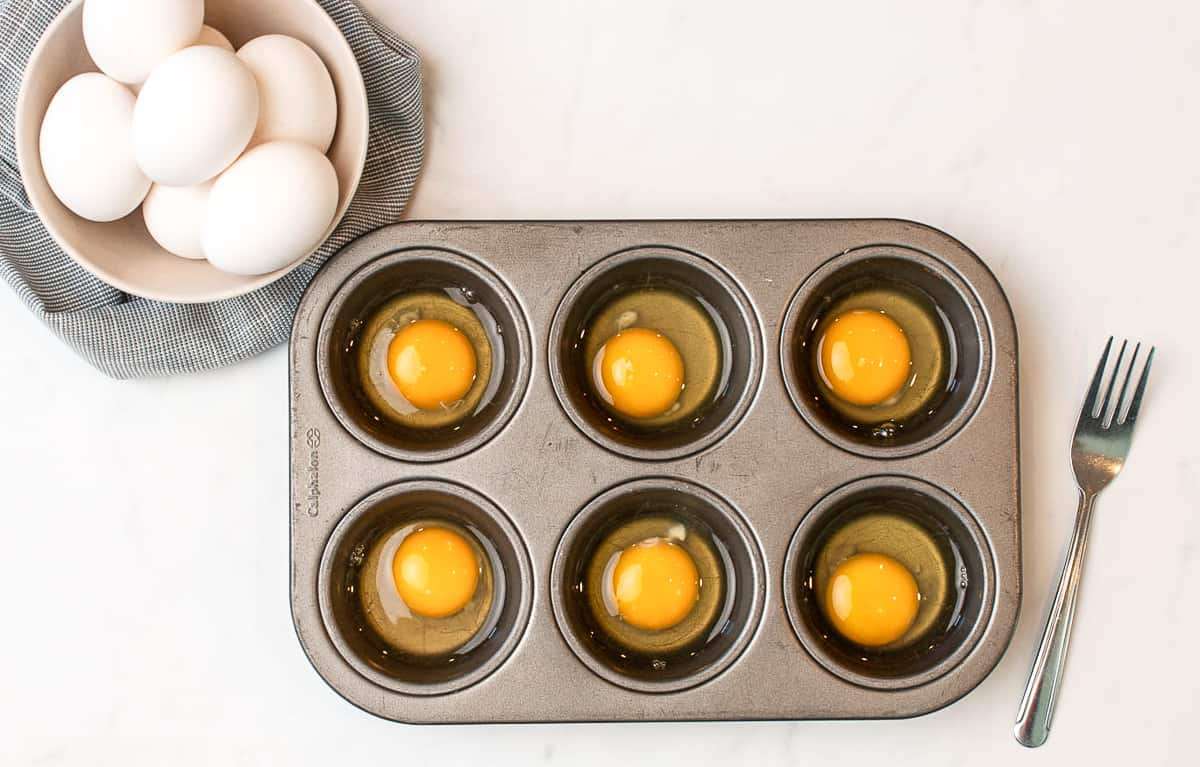
How to Freeze Eggs explains the process of preparing eggs for freezing to maintain texture and usability. Whole eggs or yolks are lightly beaten with the addition of salt (for savory dishes) or sugar (for sweet dishes) to prevent the gelatinization that can happen during freezing. Egg whites are stirred but do not need additives. After mixing, the eggs are portioned into muffin tins or ice cube trays, frozen, then transferred to freezer-safe containers. This method keeps eggs usable for later cooking or baking.
Lightly scrambling the eggs without incorporating air helps retain texture. Salt or sugar should be added at a rate of about 1 teaspoon per cup of eggs or 1/8 teaspoon per individual egg. Clearly labeling the frozen eggs with date, quantity, and whether salt or sugar was added is important.
Thaw frozen eggs in the refrigerator for 6-8 hours in a sealed container and use immediately. Egg whites may whip better after freezing. Egg yolks freeze less well but can be used in sauces and cooked dishes.
Freezing in commonly used portion sizes prevents waste and adjusts easily for different recipes. Eggs can be frozen up to a year safely.
Ingredients
- 12 egg
- 1 tsp salt or sugar
Instructions
- Lightly scramble the eggs. Stir with a fork until the yolk and whites are blended together without incorporating air.
- Add salt or sugar to your eggs - don't skip this part!! Egg yolks have a gelatinous property in them that will thicken when frozen. By adding in salt or sugar before freezing, it will stop it from happening.
- Add in 1 teaspoon of salt per cup of eggs for eggs that will be used for savory items like scrambled eggs, omelets or souffles.
- Add in 1 teaspoon of sugar per cup of eggs for eggs that will be used for cake, desserts or sweet items.
- If you are freezing individual eggs, use 1/8 teaspoon of salt or sugar for each egg.
- Store your eggs. Cover and freeze in a muffin tin or ice cube tray until frozen (about 4-6 hours), and then transfer them to freezer containers or freezer-safe bags.
- Label your eggs. Add the date, the quantity and make a note on your storage container if you used salt or sugar in the eggs. Make sure you adjust the recipe to compensate for the sugar or salt that you used in your eggs. Your eggs are now good for up to a year.
Notes
- Freeze eggs in measured portions based on recipe needs to avoid waste.
- Add salt for eggs intended for savory dishes and sugar for sweet applications before freezing.
- Thaw eggs in the refrigerator and use immediately; avoid refreezing thawed eggs.
- Egg whites tend to maintain whipping ability better after freezing compared to yolks.
- Always label freezer containers with date, quantity, and additive used (salt or sugar).
Nutrition Information
Show DetailsNutrition Facts
Serving: 12eggs
Amount Per Serving
Calories 755 kcal
% Daily Value*
| Serving | 1g | |
| Calories | 755kcal | 38% |
| Carbohydrates | 4g | 1% |
| Protein | 66g | 132% |
| Fat | 50g | 77% |
| Saturated Fat | 17g | 85% |
| Cholesterol | 1964mg | 655% |
| Sodium | 750mg | 31% |
| Potassium | 729mg | 16% |
| Sugar | 2g | 4% |
| Vitamin A | 2851IU | 57% |
| Calcium | 296mg | 30% |
| Iron | 9mg | 50% |
* Percent Daily Values are based on a 2,000 calorie diet.
User Reviews
Overall Rating
4.6
You'll Also Love