How to Freeze Eggs
User Reviews
5
How to Freeze Eggs
Description
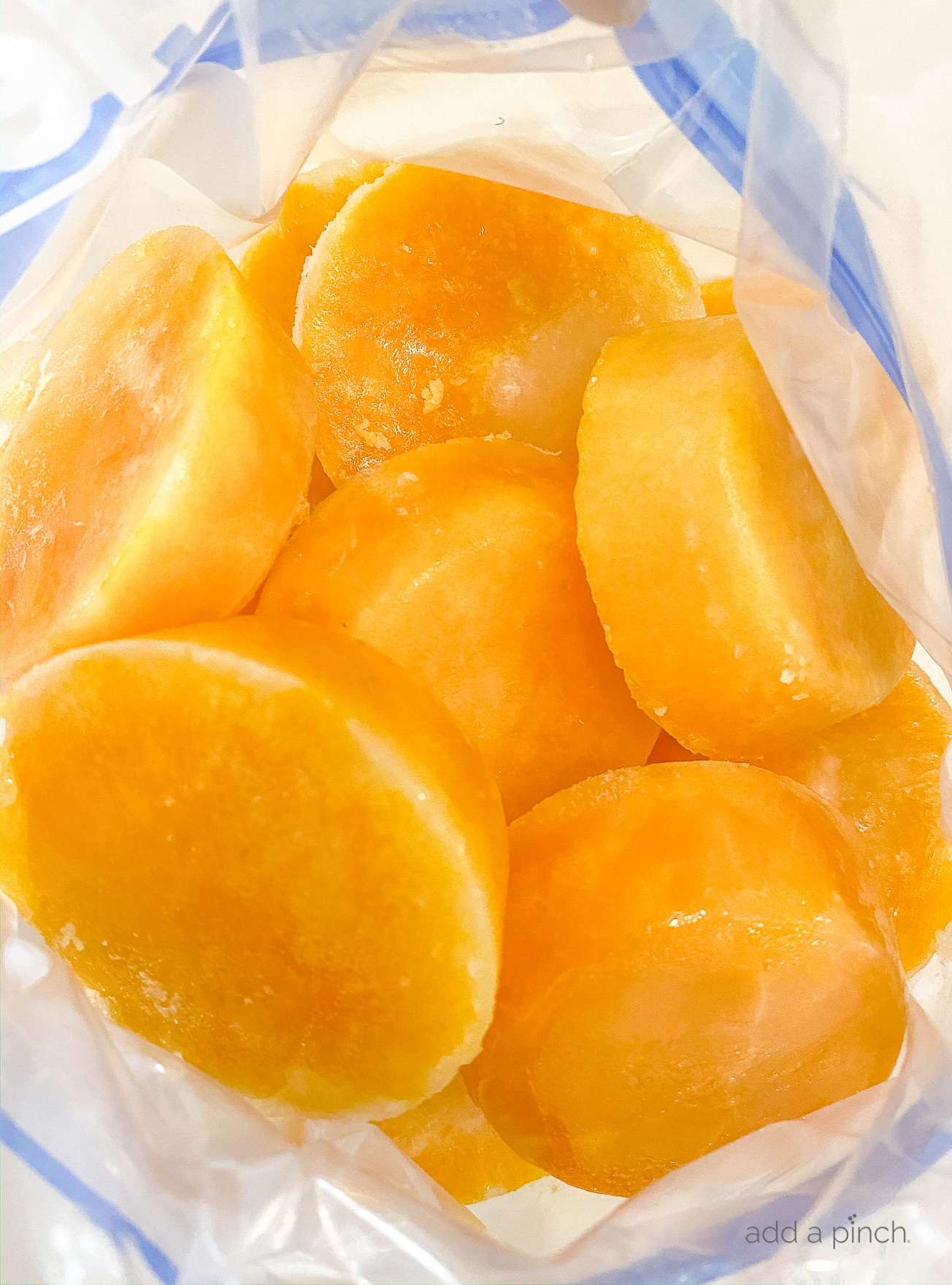
To freeze eggs, each egg is cracked into separate muffin pan compartments and sprinkled with 1/8 teaspoon kosher salt. They are gently whisked to break up the yolk and whiten before freezing solid. After freezing, eggs are transferred to labeled zip-top freezer bags with excess air removed and placed back in the freezer. This process prevents eggs from clumping together and facilitates using single portions.
Frozen eggs can be thawed overnight in the refrigerator or quickly by running cold water over a sealed bag. Thawed eggs should only be used in recipes where eggs will be fully cooked, such as scrambled eggs, casseroles, or baked goods. Refreezing previously frozen eggs is not recommended for food safety.
Egg whites and yolks can be frozen separately by segregating them into individual containers and following the same salt addition and freezing procedure. This offers flexibility for different recipes.
Larger batches of eggs may be frozen together in airtight containers after whisking with salt, but portioning individually is preferred for convenience. Properly frozen eggs retain quality for up to one year.
Ingredients
- egg
- kosher salt 1/8 teaspoon per whole egg
Instructions
- Break an egg out of its shell into each indention of the muffin pan. Add 1/8 teaspoon salt to each whole egg. Whisk each egg carefully with a fork to break up the yolk until just beaten.
- Place the muffin pan in the freezer to completely freeze the eggs.
- Remove muffin pan and transfer each frozen egg from the muffin pan and place it into a zip top freezer bag that has been labeled with the date. Roll the zip top bag to remove as much air from the bag as possible and close. Return the bag and the eggs to the freezer for up to one year.
- To use a frozen egg, remove the number of individual frozen eggs you need from the zip-top bag and place it in a bowl (or bowls) in the refrigerator overnight to thaw. Then use immediately.
Notes
- Only use thawed frozen eggs in fully cooked dishes like scrambled eggs, casseroles, or desserts to ensure safety.
- Thaw frozen eggs overnight in the refrigerator or quickly under cold running water while sealed.
- Separate eggs individually before freezing if multiple eggs are frozen together to avoid mixing.
- Do not refreeze eggs that have been previously frozen to maintain food safety.
- Salt helps preserve eggs during freezing but keep amount to 1/8 teaspoon per egg.
- Egg whites and yolks can be frozen separately using the same method for added recipe flexibility.
Nutrition Information
Show DetailsNutrition Facts
Serving: 12Serving
Amount Per Serving
Calories 6 kcal
% Daily Value*
| Serving | 1egg | |
| Calories | 6kcal | 0% |
| Carbohydrates | 0.03g | 0% |
| Protein | 0.5g | 1% |
| Fat | 0.4g | 1% |
| Saturated Fat | 0.1g | 1% |
| Polyunsaturated Fat | 0.1g | 1% |
| Monounsaturated Fat | 0.2g | 1% |
| Trans Fat | 0.002g | 0% |
| Cholesterol | 14mg | 5% |
| Sodium | 25mg | 1% |
| Potassium | 5mg | 0% |
| Sugar | 0.01g | 0% |
| Vitamin A | 20IU | 0% |
| Calcium | 2mg | 0% |
| Iron | 0.1mg | 1% |
* Percent Daily Values are based on a 2,000 calorie diet.
User Reviews
Overall Rating
5
You'll Also Love