How to Make Acorn Flour
User Reviews
5
How to Make Acorn Flour
Description
This traditional method starts by removing the shells from acorns into cool water to prevent oxidation. The shelled acorn meats, including some brown skin, are pureed with water. The mixture is stored in a cool environment to avoid fermentation. Each day, the soaking water is carefully poured off and replaced to leach out tannins, which cause bitterness.
After four to five days, tasting determines if the bitterness is gone; if not, soaking continues until the meal is bland. As an optional step, the sediment-rich water from the last daily rinses can be evaporated to recover pure acorn starch for use similar to cornstarch.
Once properly leached, the acorn meal can be processed into flour to use in baking or cooking, offering a traditional ingredient with unique properties.
The note reminds that different oak species produce acorns with varying bitterness, affecting soaking time.
Ingredients
- 3 pounds acorns
- water
Instructions
- Start by shelling your acorns into a bowl of cool water. This will take about an hour, more or less. I typically do it while watching television. Putting the shells in water immediately will prevent them from oxidizing.
- Once you have all the acorn meats shelled (a little of the brown skin, called the test, is OK), puree them with water in the blender. Pour this into your large jar and set in a cool place, cooler than about 60°F. I will often refrigerate it. Temperatures too warm will cause it to ferment.
- Every day, up to twice a day, carefully pour off the water and replace it. As an added, but optional step, you can pour the last of each day's water -- the stuff with the most fine sediment in it -- into a baking sheet and let the water evaporate from it. What's left is pure acorn starch, which you can use exactly like corn starch.
- After about four or five days, taste the meal. It should be bland, not bitter. If it is still bitter, keep changing the water until it's not. Each species of acorn will need different leaching times.
- When the wet meal is ready, move it to a strainer lined with cheesecloth. Strain out as much water as possible. In this step, you really do want to capture this last water because it is loaded with starch. Let that water evaporate from a baking sheet.
- Lay out your wet acorn meal to dry. I use a dehydrator set at 95°F. Shoot for conditions like that. An oven is too hot and will turn the flour dark brown.
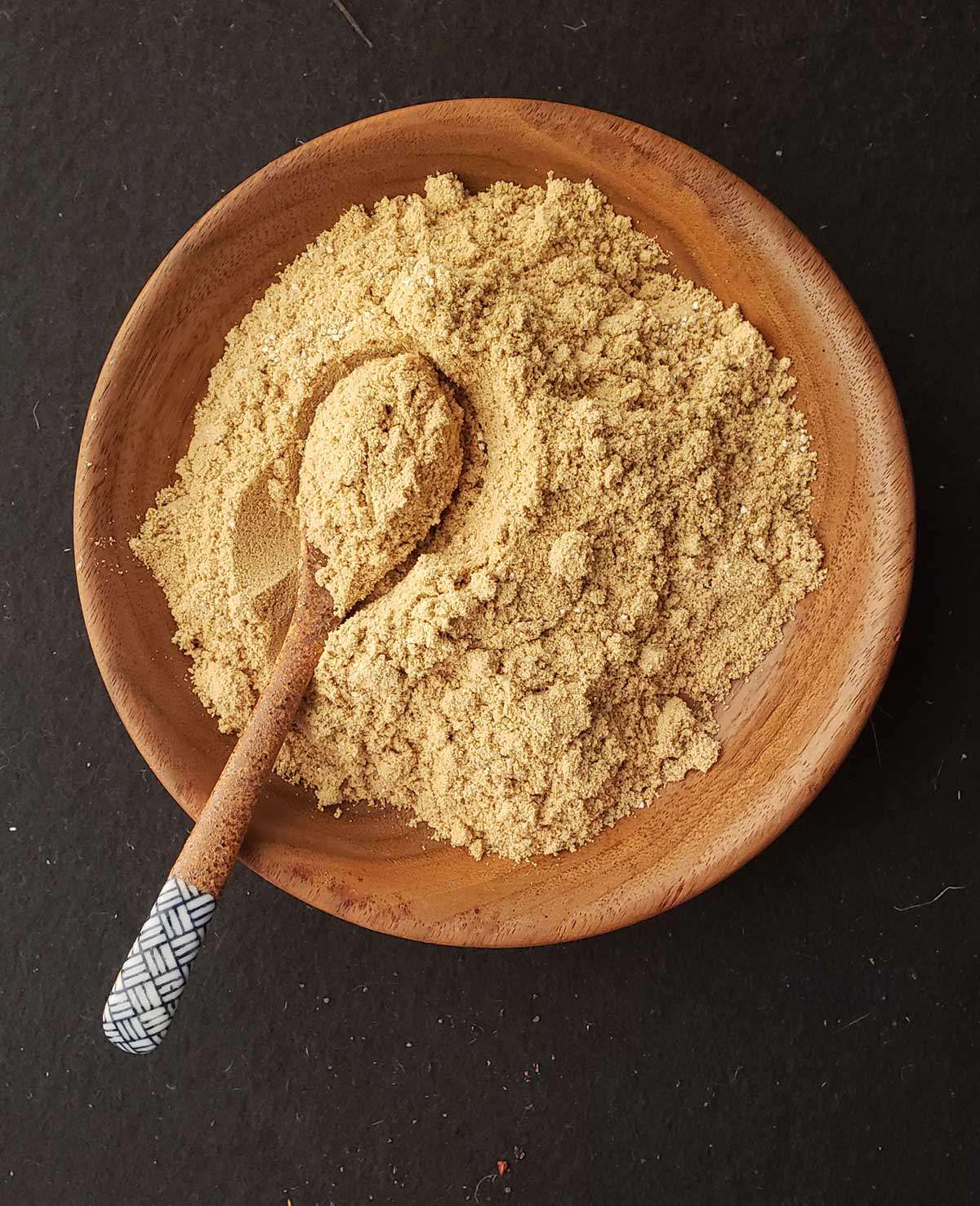
- When the meal is completely dry, add it and any chunks of acorn starch to a spice grinder or blender and buzz until completely fine, like wheat flour. Store in a jar in the fridge or freezer, so the acorn fats don't go rancid. It will keep this way a year or more.
Notes
- Shell acorns into cool water to prevent browning; this may take about an hour.
- Keep the acorn puree refrigerated or in a cool place below 60°F to avoid fermentation.
- Replace soaking water once or twice daily until the meal tastes bland, usually about 4-5 days.
- Evaporate sediments from rinse water to obtain acorn starch usable like cornstarch.
- Soaking time varies with oak type due to different tannin levels.
User Reviews
Overall Rating
5
You'll Also Love