How To Make Butter (Homemade Butter)
User Reviews
5
-
Prep Time
10 mins
-
mixing
5 mins
-
Total Time
15 mins
-
Servings
8 oz
-
Calories
205 kcal
-
Course
Condiments
-
Cuisine
International
How To Make Butter (Homemade Butter)
Description
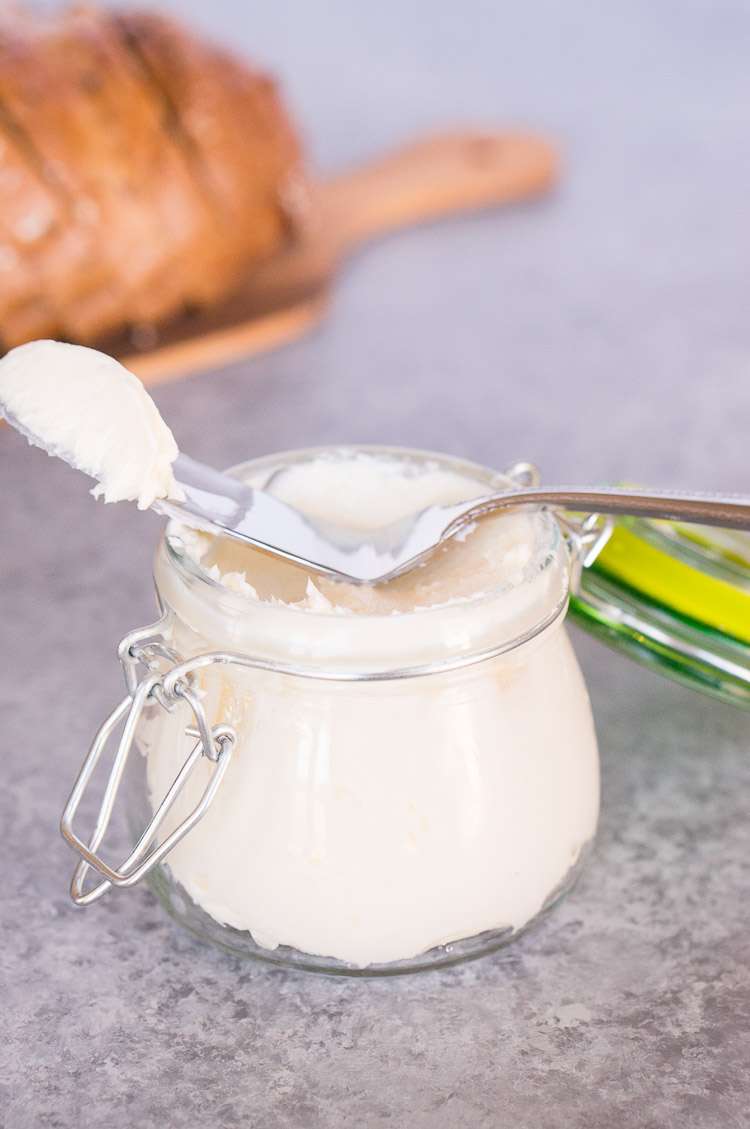
Starting with cream skimmed from raw milk or store-bought heavy cream, the cream is whipped first at a low speed then at high speed in a food processor. This whipping turns the cream into whipped cream, followed by agitation until the fat separates into butter solids and liquid buttermilk. The butter solids are collected and rinsed under ice water multiple times to remove buttermilk, which prevents rancidity and improves shelf life.
The butter is formed by hand into a ball or block shape. Salt may be added during or after this process to produce salted butter. The buttermilk drained off can be saved for other culinary uses.
Using raw milk cream may require setting the milk undisturbed in the refrigerator to allow cream to rise, making separation easier. Equipment like a food processor or stand mixer with a splatter guard is useful to contain the cream during churning. If a hand mixer is used, covering the bowl is advised.
Proper rinsing of the butter is important; changing ice water repeatedly until it runs clear ensures removal of buttermilk. This step preserves the butter’s freshness and prevents quick spoilage. Salt or flavorings can be added according to preference after rinsing.
Ingredients
- 2 cups cream from raw milk or heavy cream
- ½ teaspoon salt (if you are making salted butter)
- water ice
Instructions
- Scoop out the cream from the top of the raw milk using a large spoon, or skip this step and use store bought heavy cream.
- Pour cream into the food processor and mix on low for a couple of minutes.
- Increase to high speed and mix until whipped cream forms. Open the lid of the food processor and scrape the sides. Close the lid and process again on high for a couple more minutes or until butter solids form and separate from the buttermilk. (The cream will go through several different stages before finally turning into butter.)
- Scrape the sides and lid, and transfer the butter to a sieve with a bowl underneath. The buttermilk will drain in the bowl. Preserve it and use it later.
- Shape the butter with your hands into a ball.
- Transfer the butter to a bowl filled with ice water (& ice cubes) and rinse it by kneading and squeezing it several times, changing the water until it's no longer cloudy. This could take anywhere between 6 to 8 changes of water.
Notes
- Allow raw milk to rest refrigerated overnight so cream rises for easy separation.
- Use cream with at least 40% fat content for best butter yield.
- A food processor or stand mixer with splatter guard is recommended to prevent mess.
- When using a hand mixer, cover the bowl and mixer to avoid splatter.
- Knead and rinse butter in ice water repeatedly until the water stays clear to remove buttermilk and prevent rancidity.
- Add salt or create compound butters after rinsing to customize flavor.
- Save drained buttermilk for cooking or baking uses.
Nutrition Information
Show DetailsNutrition Facts
Serving: 8oz
Amount Per Serving
Calories 205 kcal
% Daily Value*
| Serving | 1oz | |
| Calories | 205kcal | 10% |
| Carbohydrates | 2g | 1% |
| Protein | 1g | 2% |
| Fat | 22g | 34% |
| Saturated Fat | 14g | 70% |
| Cholesterol | 82mg | 27% |
| Sodium | 168mg | 7% |
| Potassium | 45mg | 1% |
| Sugar | 1g | 2% |
| Vitamin A | 875IU | 18% |
| Vitamin C | 1mg | 1% |
| Calcium | 39mg | 4% |
* Percent Daily Values are based on a 2,000 calorie diet.
User Reviews
Overall Rating
5
You'll Also Love