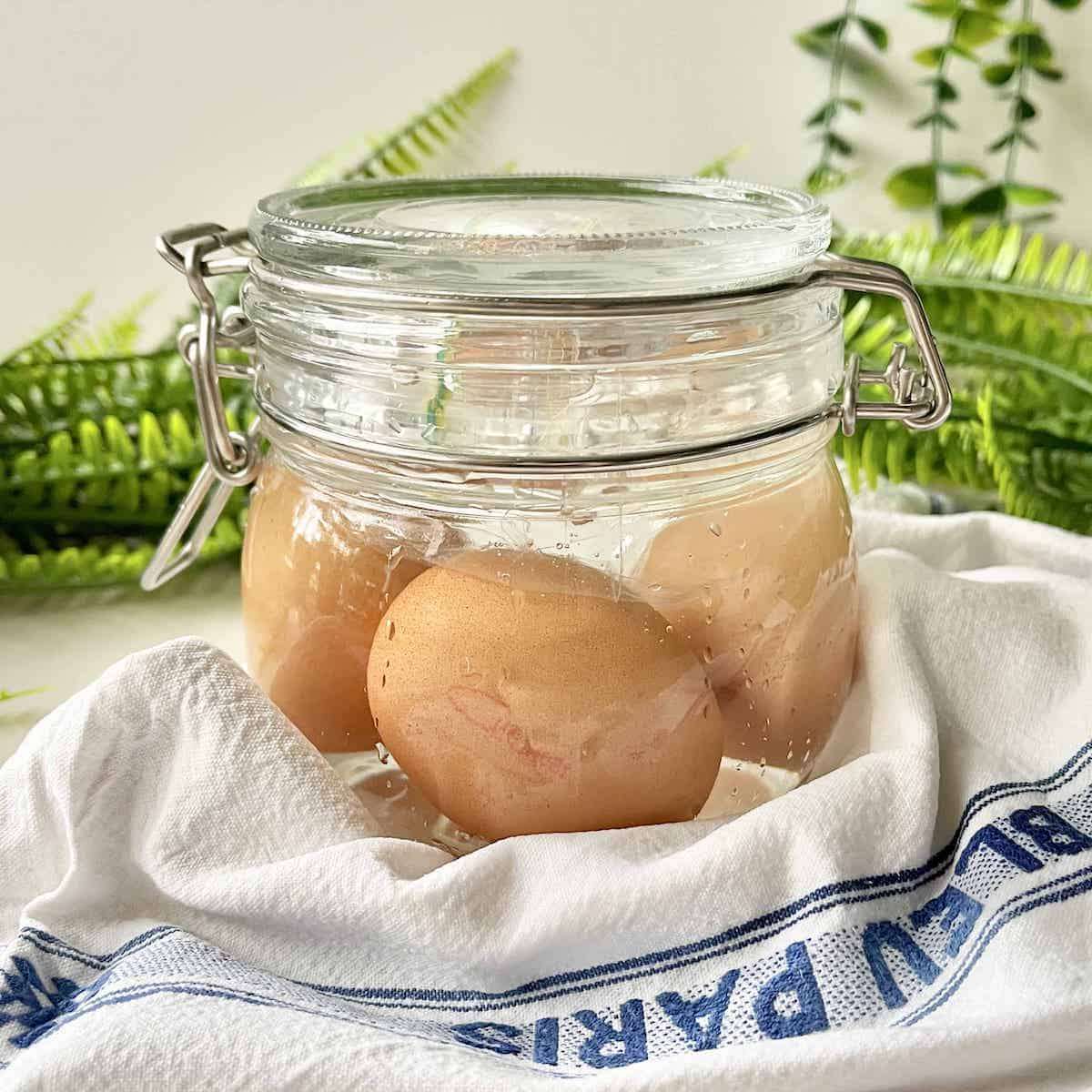
How to Make Chinese Salted Egg Recipe
User Reviews
5
How to Make Chinese Salted Egg Recipe
Description
The process involves carefully cleaning eggs without cracks and submerging them fully in a cooled brine solution made from water and a large amount of salt. The eggs are weighed down to keep them submerged and stored at room temperature for around 30 days, allowing the salt to penetrate through the shell and cure the eggs. After brining, the eggs are boiled and tested for saltiness; if sufficient, they are rinsed and refrigerated to slow curing.
Duck eggs are traditionally used, but the recipe substitutes chicken eggs, noting they yield a slightly less intense flavor and may cure faster. The method preserves the eggs for extended periods and is a traditional technique creating a uniquely salty egg often consumed as a delicacy or ingredient.
Some variations add spices or shaoxing wine to the brine for aroma and color, but the basic salt and water brine is sufficient. It's important to avoid cracked eggs to prevent spoilage and ensure a successful cure.
Ingredients
- 12 egg traditionally duck eggs but you can substitute with chicken (I use chicken as duck eggs are not sold in Singapore. Note chicken eggs will result in a slightly less flavourful salted egg and may brine faster than duck eggs due to the difference in their shells
- 4 Cups water (1 litre) I use tap water in the UK and in Singapore but the safety of tap water may vary from country to country.
- 1 Cup salt (250g) Rock salt, kosher salt and canning salt all use. If using table salt, you need it to be very fine.
Instructions
- Clean the eggs well, checking for any cracks in the shells. (Do not use eggs with broken shells) Dry the eggs then place them in a glass (or plastic) jar.
- Combine the water and salt in a pot and bring to the boil. Stir to make sure all the salt is dissolved. Turn the heat off and allow the brine to cool to room temperature. (If you are adding shaoxing wine, now would be the time to add it. Don't rush this process- the salted water needs to cool completely.)
- Pour the cooled brine into the jar and make sure it is sufficient to fully cover the eggs. Place the half-filled zip-lock bag on top of the eggs to make sure the eggs are totally submerged.
- Cover the container and store at room temperature for a month. (I place mine under the kitchen sink).
- From day 18 onwards (or day 20 if using duck eggs), take 1 egg out of the brine. Boil it and eat it. If it tastes salty enough for you, remove all the eggs from the solution, rinse them with water and store them in the fridge. If you'd like a saltier egg, allow the eggs to continue brining. Keep tasting every day or so till you are satisfied with the eggs. (Eggs are then washed and refrigerated)
- Do note the egg whites may become too unpleasantly salty to be consumed if you brine the eggs past 20 days. (Most recipes only call for the salted egg yolk but it's rather wasteful to throw the whites out! The whites go well with rice or porridge.)
Notes
- If your container is small, reduce the number of eggs to avoid cracking and spoilage.
- Additions like sugar, spices, or shaoxing wine in the brine are optional and may enhance aroma or color, but are not necessary.
- Chicken eggs can be used as a substitute for duck eggs, though resulting flavor may be milder and curing time shorter.
Nutrition Information
Show DetailsNutrition Facts
Serving: 12eggs
Amount Per Serving
Calories 63 kcal
% Daily Value*
| Calories | 63kcal | 3% |
| Carbohydrates | 0.3g | 0% |
| Protein | 6g | 12% |
| Fat | 4g | 6% |
| Saturated Fat | 1g | 5% |
| Polyunsaturated Fat | 1g | 6% |
| Monounsaturated Fat | 2g | 10% |
| Trans Fat | 0.02g | 1% |
| Cholesterol | 164mg | 55% |
| Sodium | 8141mg | 339% |
| Potassium | 62mg | 1% |
| Sugar | 0.2g | 0% |
| Vitamin A | 238IU | 5% |
| Calcium | 32mg | 3% |
| Iron | 1mg | 6% |
* Percent Daily Values are based on a 2,000 calorie diet.
User Reviews
Overall Rating
5
You'll Also Love