How To Make Gravy
User Reviews
5
How To Make Gravy
Description
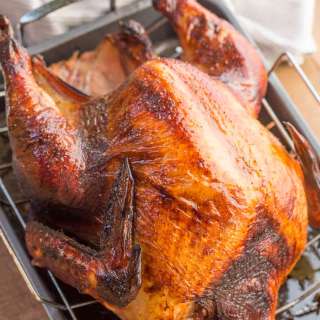
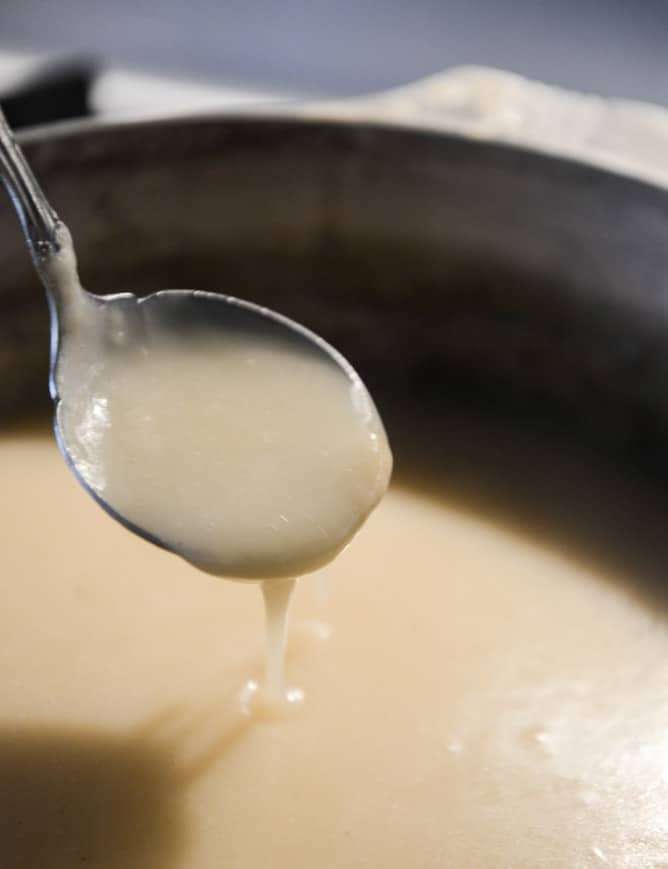
How To Make Gravy centers on utilizing turkey drippings combined with water and flour to create a rich, thick sauce. The process involves straining the drippings from the roasting pan and gently whisking in a slurry made by shaking flour into cold water to avoid lumps. The mixture is then stirred continuously over medium heat until it thickens into a smooth gravy. Seasoning with salt and black pepper personalizes the final flavor. The detailed cooking time ensures thorough thickening without burning and scraping the pot bottom enhances flavor through caramelized bits.
The gravy’s consistency is tailored by stirring and adjusting heat, resulting in a sauce suitable for pouring over poultry, mashed potatoes or side dishes. The recipe notes that leftover gravy can be refrigerated for up to a week and reheated gently with added water or stock to bring it back to proper consistency. The approach encourages making use of pan drippings for a flavorful homemade sauce without added complexity.
Ingredients
- turkey drippings chicken, etc (be sure to add extra stock BEFORE roasting if desired, from a turkey
- 16 ounces water cold
- 3 all-purpose flour heaping tablespoons
- salt
- black pepper
Instructions
- Strain the drippings from the roasting pan into a large pot or saucepan and set it over medium heat. Add the cold water to a shaker bottle (or water bottle/mason jar) and add the flour on top. Shake the heck out of it for 30 to 60 seconds, until the flour seems completely incorporated and creates a slurry. With a whisk or fork in one hand, pour the slurry into the drippings, sitting constantly with the other hand. Continue to stir to avoid any lumps and stir until the gravy has thickened, anywhere from 10 to 20 minutes. Make sure you are scraping the bottom of the pan.
- Taste the gravy and season it to your liking. Set it over low heat for serving. My mom stores her extra gravy in the fridge for about a week. To reheat it, she places it in a saucepan (it will look disgusting) and adds a touch of water or stock. She heats it over low heat, stirring occasionally, until it’s back to it’s original consistency. Like soups and sauces, it often tastes better the next day!
User Reviews
Overall Rating
5
You'll Also Love