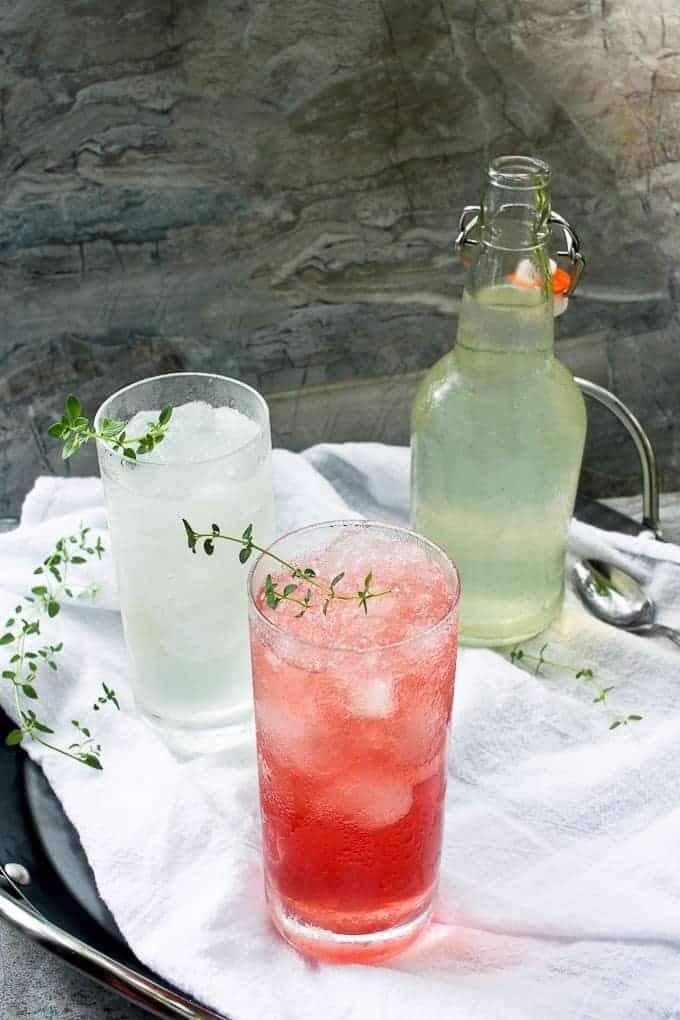
How to Make Water Kefir
User Reviews
5
How to Make Water Kefir
Description
This guide explains the steps for fermenting water kefir starting with dissolving sugar in dechlorinated or boiled water, then allowing it to cool to room temperature before adding water kefir grains. The mixture is covered with a paper towel secured by a rubber band to keep out contaminants while allowing airflow. It ferments in a glass jar for 48 to 72 hours, depending on temperature and initial grain activity.
After fermentation, the liquid is strained to remove the grains, and lemon juice is added to enhance flavor. The grains are then reserved for reuse in future batches. The beverage can be carbonated further by bottling in pressure-resistant containers and flavored with various spices and fruits according to preference.
Water kefir provides a probiotic fermentation drink made with simple ingredients and accessible household equipment. Fermentation times may vary due to grain health and ambient temperature, with longer fermentation resulting in more sourness and less residual sugar. This recipe yields about half a gallon or three 20-ounce bottles of water kefir.
Adjustments such as adding minerals to the sugar water can strengthen grains when needed, and organic sugar is recommended for better fermentation. Proper care and soaking of grains ensure ongoing successful fermentation batches.
Ingredients
Basic Water Kefir:
- 8 cups water dechlorinated or previously boiled
- ½ cup sugar white, turbinado, or brown varieties
- ¼ cup water kefir grains (amount approximate)
- 1 lemon juiced
Optional Flavoring Add-Ins:
- Fruit
- Spices
Equipment Needed While Fermenting:
- half gallon glass jar (or multiple smaller jars)
- paper towels or napkins (avoid using cheesecloth if you have a problem with fruit-flies)
- rubber band
Equipment Needed While Carbonating / Storing:
- mesh sieve or strainer
- funnel
- 1 2-liter soda bottles OR 3 16-oz bottles, PLASTIC or PRESSURE-RESISTANT swing top glass bottles
Instructions
Fermenting:
- Add water and sugar to the glass jar, and mix until sugar is dissolved. (This is easiest if the water is warm.)Note: If water is hot, allow it to cool to room temperature before proceeding to the next step.
- Add the water kefir grains. Cover with a paper towel or napkin, and secure with a rubber band. Allow to ferment for 48-72 hours. Is it Working? There will be few, if any, signs that your kefir is fermenting until you move onto the carbonation step.Fermenting Time: The first time using your kefir grains, they may be sluggish. Give them the full 72 hours to ferment. In warm rooms, your kefir will generally ferment quickly (48 hours) and in cooler rooms, it will likely take longer (72 hours).Tip: Write the start and estimated end date on the paper towel.
- Pour the kefir through a mesh sieve into a clean jar or pitcher to strain out the water kefir grains.
- Add the lemon juice to the fermented water kefir.
- Set the grains aside in a clean jar or bowl, and then add more sugar water to start the process over again.Tip: If you need to store the grains, store them in a new batch of sugar water, or in some of the current batch of sugar water.
Making Flavored Water Kefir: (Optional, but Recommended)
- Technique 1 (2nd Fermentation):Add fruit, spices, and / or herbs to the jar of fermented water kefir. Cover with a paper towel and rubber band, and ferment another 1-2 days.Tip: Never add the fruit (or other flavorings) to the water kefir while the kefir grains are still in the jar-- it could harm the grains.Strain out any added flavorings, and proceed to the bottling step.
- Technique 2 (Flavor Added to Final Bottling):Add desired amount of juice or lemonade to the kefir.
Bottling Water Kefir:
- Use a funnel to pour the water kefir into bottles. Refrigerate immediately, or proceed to the carbonation step.
Carbonating Water Kefir:
- Seal bottles. Check after 24 hours, or after 12 hours in warm rooms. The water kefir is ready when the plastic bottles are rock hard, or when glass bottles begin to fizz when opened.
Notes
- This recipe makes approximately ½ gallon, suitable for bottling in three 20-ounce containers.
- If the kefir doesn't carbonate, try fermenting for a longer time, especially for new or stored grains.
- Using organic sugar can improve fermentation quality.
- Soaking grains in a mineral solution (sea salt, baking soda, molasses) for up to a month can revitalize them; do not drink this soak batch.
Nutrition Information
Show DetailsNutrition Facts
Serving: 3people
Amount Per Serving
Calories 40 kcal
% Daily Value*
| Calories | 40kcal | 2% |
| Carbohydrates | 5.8g | 2% |
| Protein | 4g | 8% |
| Fat | 0.8g | 1% |
| Saturated Fat | 0.1g | 1% |
| Sodium | 30mg | 1% |
| Potassium | 95mg | 2% |
| Fiber | 2.8g | 11% |
| Sugar | 1.7g | 3% |
| Vitamin C | 2.1mg | 2% |
* Percent Daily Values are based on a 2,000 calorie diet.
User Reviews
Overall Rating
5
You'll Also Love