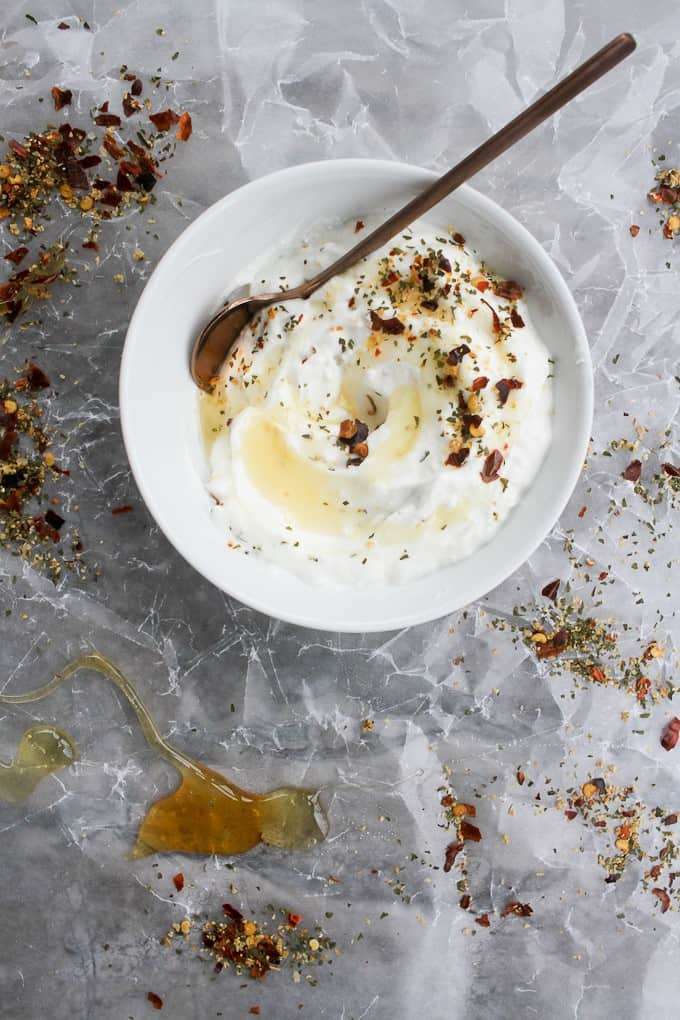
How to Make Yogurt, Greek Yogurt, and Labneh
User Reviews
5
How to Make Yogurt, Greek Yogurt, and Labneh
Description
The process begins by simmering whole milk to about 180°F to prepare it for fermentation. After cooling to room temperature, a small portion is mixed with plain yogurt containing live probiotics and combined back into the milk. Maintaining the temperature between 110°F and 115°F for 4 to 10 hours allows beneficial bacteria to ferment the milk into yogurt. Shorter fermentations create sweeter yogurt, longer ones produce tart flavors.
After fermentation, the yogurt can be served as is or blended for smoothness. For thicker Greek yogurt or Labneh, straining through cheesecloth removes whey, concentrating texture and flavor. This homemade approach lets you control thickness and tartness. The resulting products have diverse culinary uses, from spreads to cooking ingredients.
Homemade yogurt and derivatives offer versatility in the kitchen. Yogurt can be eaten plain, used in smoothies, or as a condiment. Greek yogurt serves as a thicker base for dips and sauces, while Labneh acts as a spreadable fresh cheese, adaptable with herbs or olive oil. Making yogurt at home provides a fresh alternative to store-bought options.
Notes include yield estimates, troubleshooting tips for texture issues, and ideas for serving yogurt as a mayonnaise substitute, in smoothies, or drizzled with honey and spices. Attention to fermentation temperature and starter quality ensures successful results.
Ingredients
- 4 cups milk No ultra-pasteurized milk, whole milk preferred
- ½ cup PLAIN yogurt with live probiotics or 1 freeze-dried yogurt starter packet
Instructions
- Bring milk to a simmer or soft boil. (Approximately 180°F.)Tip: Microwave milk for about 9 minutes instead of cooking it on the stovetop for faster cook time and easier clean-up.
- Allow milk to come to room temperature. Pour a small amount of milk in a bowl with the yogurt starter, and whisk until incorporated. Pour the mixture into the main container of milk. Whisk until incorporated.
- Pour milk mixture into the basin of a yogurt maker and hold between 110°F and 115°F for 4 to 10 hours. A short fermentation time will yield a sweet yogurt, and a longer fermentation time will yield a tart yogurt.Tip: If you don't have a yogurt maker, pour yogurt into a warmed, heavy Dutch oven and store in the oven with the light on. Check the temperature before, during, and after cooking to make sure it stays in the correct temperature range.
- For Yogurt: Serve as is, or use a blender to make it even smoother. (Note: Depending on the strain of yogurt starter used, this yogurt will likely be very thin.)
- For Greek Yogurt: Pour yogurt into an ultra-fine mesh strainer OR line a mesh sieve with cheesecloth, and let it strain in the refrigerator for anywhere from 30 minutes to 2 hours until it's reached the desired consistency.
- For Labneh: Follow directions for Greek yogurt, and continue to strain the yogurt for anywhere from 8 hours to 2 days, until it's reached the desired consistency. Optionally, roll the finished labneh into balls and store in olive oil.
- Serve yogurt, Greek yogurt, or labneh plain, with fruit or other desired toppings, or blend in other ingredients (like fruit or honey) to the finished product.
- Store finished yogurt, Greek yogurt, or labneh in an airtight container in the fridge for up to 2 weeks.For best reculturing results, use ½ cup of the finished product to start a new batch of yogurt within 7 days.
Notes
- The recipe yields about 4 cups unstrained yogurt, 3 cups Greek yogurt, or 2 cups Labneh depending on straining.
- Maintain proper fermentation temperature (110–115°F) to ensure live cultures develop.
- If yogurt doesn't set, check if starter was added to hot milk or starter viability.
- To fix lumpy yogurt, blend it until smooth; ensure starter is fully whisked in to prevent lumps.
- Homemade yogurt can substitute mayonnaise, be used in smoothies, or topped with honey and various mix-ins.
Nutrition Information
Show DetailsNutrition Facts
Serving: 4people
Amount Per Serving
Calories 148 kcal
% Daily Value*
| Calories | 148kcal | 7% |
| Carbohydrates | 11g | 4% |
| Protein | 7g | 14% |
| Fat | 7g | 11% |
| Saturated Fat | 4g | 20% |
| Cholesterol | 24mg | 8% |
| Sodium | 104mg | 4% |
| Potassium | 322mg | 7% |
| Sugar | 12g | 24% |
| Vitamin A | 395IU | 8% |
| Calcium | 276mg | 28% |
| Iron | 0.1mg | 1% |
* Percent Daily Values are based on a 2,000 calorie diet.
User Reviews
Overall Rating
5
You'll Also Love