How to Measure Flour
User Reviews
5
How to Measure Flour
Description
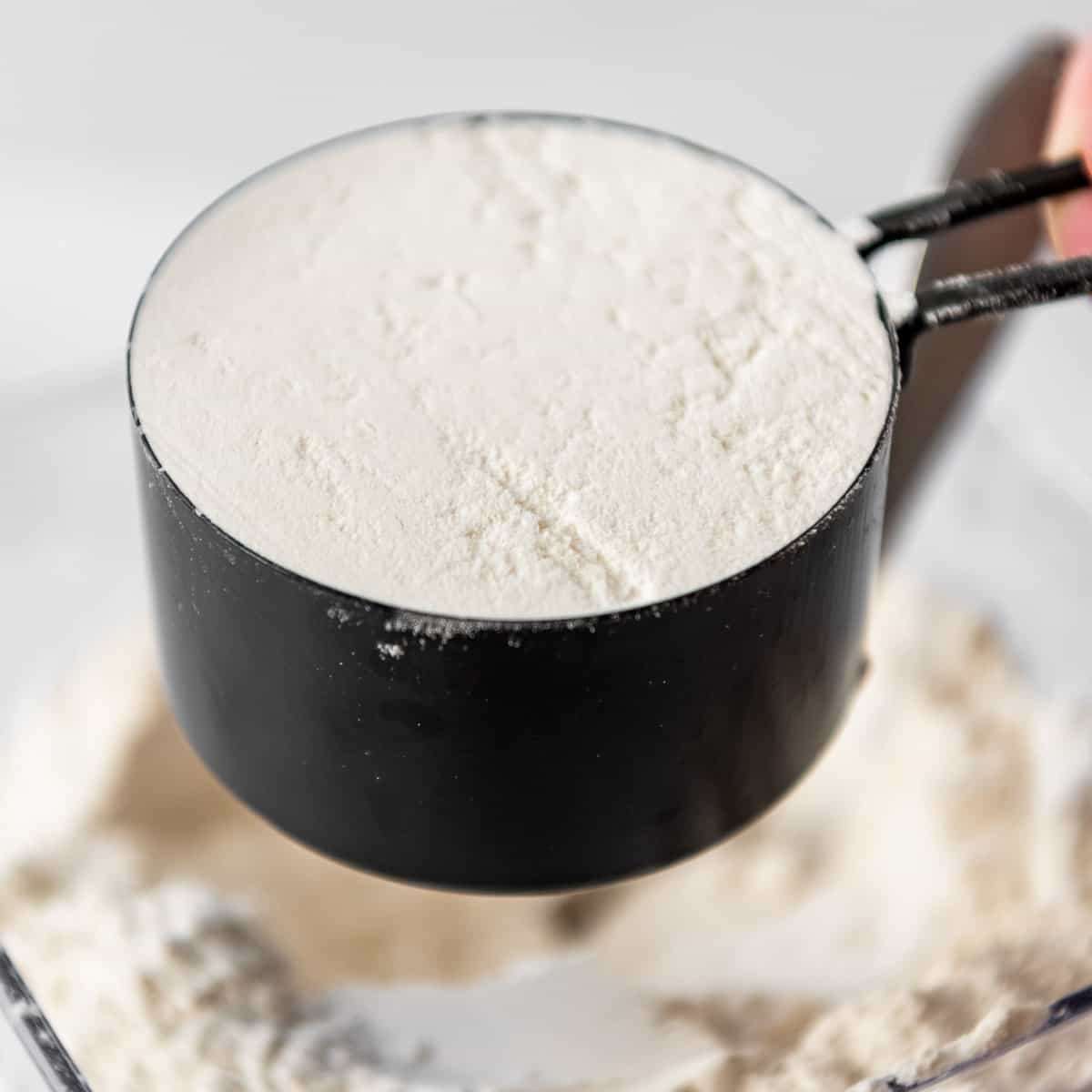
This guide outlines two reliable ways to measure flour accurately. The spoon and sweep method involves fluffing or whisking the flour first, spooning it into a measuring cup to slightly overfill, then leveling off the excess with a straight edge, returning extra flour to the container. This technique compensates for flour settling or compacting, which can lead to excess flour and drier baked goods.
The weighing method uses a kitchen scale to measure flour by weight, recommended as the most precise technique for baking. Placing a bowl on a scale, zeroing it with the tare button, then spooning flour until the desired weight (around 141 grams) is reached ensures consistency. Fluffing may be less critical here since the weight measurement accounts for density variations.
Understanding these measurement approaches helps develop dependable baking habits and better final results by providing the correct amount of flour without guessing.
Ingredients
- 1 cup all-purpose flour
Instructions
Spoon & Sweep
- Fluff or whisk the flour first. Spoon spoonfuls of the flour into a 1 cup measuring cup piling it slightly over the top until full, then use a straight edge tool like a bench scraper or the straight edge of a knife to sweep across the top of the measuring cup to level it off, returning the excess flour to your flour container.
Weighing
- Place a bowl onto a kitchen scale and zero it out by pressing the "tare" button. Spoon enough flour into the bowl to measure 141g. Both are commonly accepted standard weights for 1 cup of flour depending on the source you are using, so I feel fine saying that anything between those amounts will suffice.
- It's actually unnecessary to fluff the flour first if you are just measuring for weight, although if your flour is particularly compacted you might want to anyway to break up clumps.
Nutrition Information
Show DetailsNutrition Facts
Serving: 1cup
Amount Per Serving
Calories 455 kcal
% Daily Value*
| Calories | 455kcal | 23% |
| Carbohydrates | 95g | 32% |
| Protein | 13g | 26% |
| Fat | 1g | 2% |
| Saturated Fat | 1g | 5% |
| Polyunsaturated Fat | 1g | 6% |
| Monounsaturated Fat | 1g | 5% |
| Sodium | 3mg | 0% |
| Potassium | 134mg | 3% |
| Fiber | 3g | 12% |
| Sugar | 1g | 2% |
| Calcium | 19mg | 2% |
| Iron | 6mg | 33% |
* Percent Daily Values are based on a 2,000 calorie diet.
User Reviews
Overall Rating
5
You'll Also Love