Macaroni Grill Rosemary Bread
User Reviews
4.6
Macaroni Grill Rosemary Bread
Description
The bread begins by activating yeast with sugar and warm water, then mixing in flour, salt, and fresh rosemary, which imparts a distinctive pine-like fragrance. The dough should be soft and slightly tacky but able to hold shape, kneaded until smooth to develop gluten for a proper rise and texture. Covered and kept warm, the dough doubles in size over one to two hours. This method ensures a well-risen bread with an open, soft crumb.
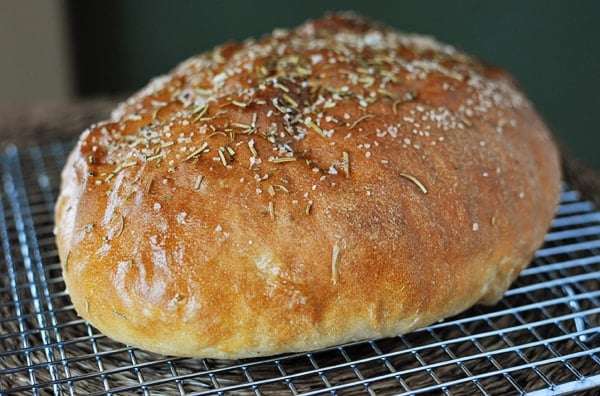
The rosemary is used both inside the dough and sprinkled on top before baking, delivering bursts of herbal flavor throughout the bread and on the crust. The texture of the baked bread is soft with a tender crust, enhanced by melted butter and coarse salt on top. Variations can include substituting some flour with finely ground white whole wheat flour for a denser but still enjoyable loaf.
This bread pairs well with meals needing an aromatic, herbed bread companion or can be enjoyed on its own with butter. It benefits from fresh rosemary, which offers a clearer herbal note than dried. The loaf stores well and can be reheated gently to revive freshness.
Ingredients
- 1 tablespoon instant yeast or 1 1/2 tablespoons active dry yeast
- 1 tablespoon sugar
- 1 ½ cups water warm
- 2 ¾ - 4 cups all-purpose flour see note
- 1 ½ teaspoon salt
- 2-3 tablespoons rosemary chopped and divided, fresh
- 2 tablespoons butter melted
- salt coarse, for sprinkling
Instructions
- In a large bowl (or the bowl of an electric stand mixer if you have one), combine the yeast, sugar and water. If using active dry yeast, let the mixture stand until foaming and bubbly, about 5 minutes. If using instant yeast, proceed with the recipe. Add two cups of the flour, salt and 1 1/2 - 2 tablespoons of the chopped rosemary. Mix. Continue adding flour, gradually, until a soft dough is formed. Judge the dough based on texture and feel versus how much actual flour you've had to add based on the recipe. The dough should be slightly tacky to the touch but should hold its shape while still being soft and smooth. Knead the dough by hand or with an electric mixer for 4-5 minutes, adding additional flour only if the dough is overly sticky and not clearing the sides of the bowl.
- Transfer the dough to a lightly greased bowl and cover with greased plastic wrap. Let the dough rise until doubled in size, approximately 1-2 hours, depending on the warmth of your kitchen. Once doubled, gently deflate the dough and divide in half. Prepare a rimmed baking sheet with parchment paper, a silpat liner or lightly grease with cooking spray. Shape the dough into two smooth, oval shaped loaves and place them on the baking sheet, one on each half of the tray so they have room to rise and bake without touching. Use a brush to slather the melted butter over the top of the loaves. Continue brushing on the butter until it is gone (the loaves will be well-saturated). Sprinkle the remaining chopped rosemary over the top of the loaves, patting down gently to set into the dough, if needed. Cover the loaves with lightly greased plastic wrap and let them rise again until puffy and nearly doubled, about an hour (again, the exact time will depend on temperature so judge the dough by how it looks).
- Preheat the oven to 425 degrees. Lightly sprinkle coarse salt over the top of the loaves. Bake the loaves for 18-20 minutes until browned and baked through. Transfer to a cooling rack to cool completely.
Notes
- Fresh rosemary gives a stronger aroma and flavor than dried; if unavailable, reduce dried rosemary to 1 1/2 tablespoons.
- Using finely ground white whole wheat flour is an option to replace some or all of the all-purpose flour, though it may yield a denser texture.
- Adjust kneading time slightly when using whole wheat flour to fully develop gluten.
- Let the dough rise until doubled in a warm spot, which usually takes 1-2 hours depending on temperature.
User Reviews
Overall Rating
4.6
You'll Also Love