Mayonnaise from Scratch
User Reviews
5
Mayonnaise from Scratch
Description
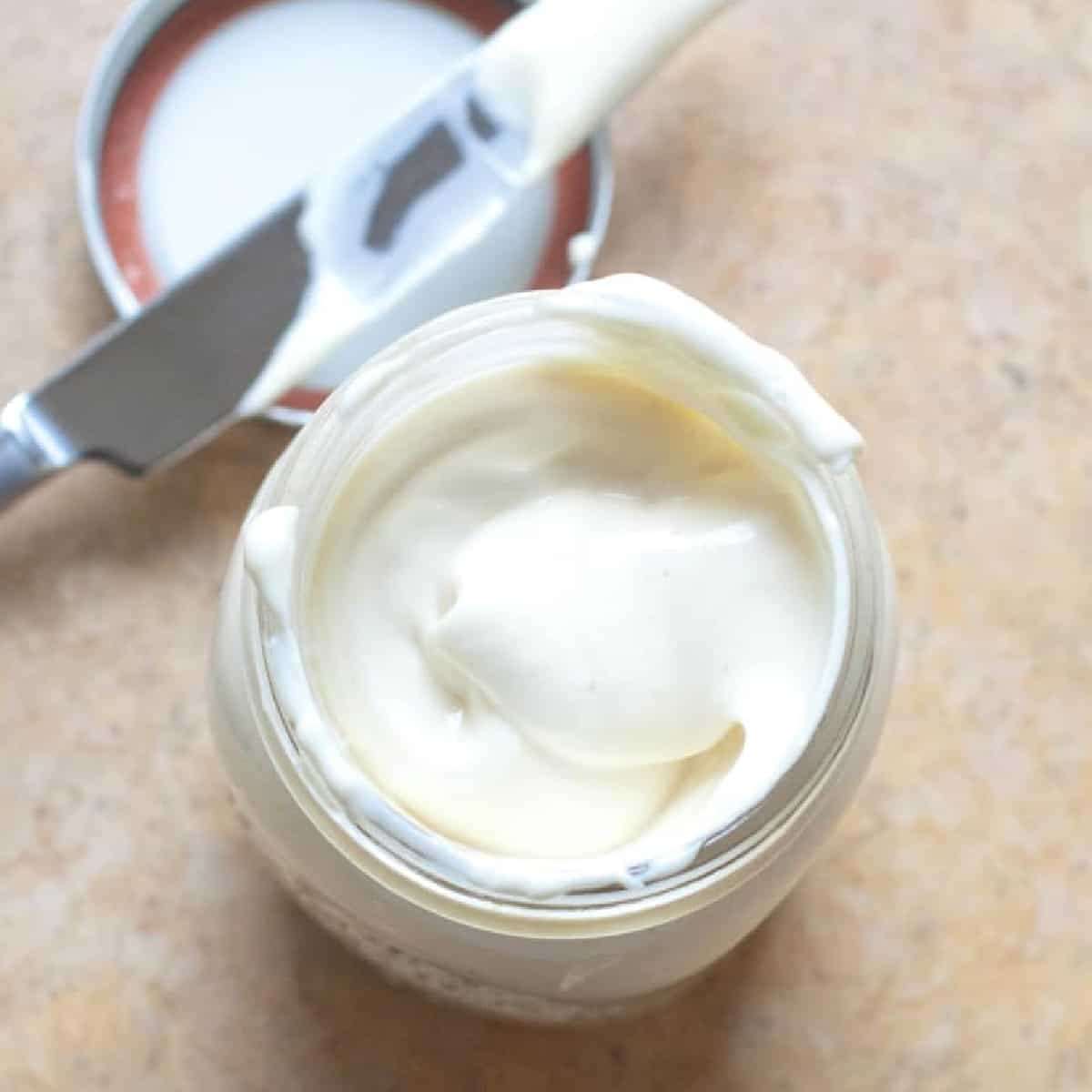
The mayonnaise recipe combines egg yolks, red wine vinegar, and Dijon mustard in a food processor to start the emulsion. Slowly drizzling vegetable oil while the processor runs creates a thick and creamy mayonnaise texture. The vinegar and mustard add acidity and tang, balancing the richness from the oil and eggs. The technique of adding oil slowly is critical to ensure proper emulsification and avoid breaking. If the mayonnaise becomes too thick, a few drops of water may be added to lighten the texture, or more oil can be added if it is too thin.
This homemade mayo can be stored refrigerated and typically lasts up to two weeks when using fresh store-bought eggs, with potentially longer shelf life for farm-fresh eggs. The recipe allows substitution of different oils like canola, olive, or avocado oil and alternative vinegar types. It is also possible to make mayonnaise without a food processor by whisking the ingredients slowly and steadily to achieve emulsification.
In case the emulsion breaks, adding an additional egg yolk and blending again can help rebind the mixture. The freshness of the ingredients, especially eggs, strongly influences the mayo's safety and longevity.
Ingredients
- 2 egg yolk
- 1/4 cup red wine vinegar
- 1 Tablespoon Dijon mustard
- 1 1/2 cups vegetable oil
- pinch kosher salt
Instructions
- Put egg yolks, red wine vinegar, and Dijon mustard in food processor and pulse a few times until the egg yolks are all blended.
- Turn on low and then slowly drip a drop at a time the oil in while blending until it takes on the consistency of mayo. Then slowly add a stream of the oil while blending until it all is incorporated.
- Transfer to mason jar and refrigerate immediately.
- The time that the mayo will last depends on the freshness of your eggs. For standard store bought eggs, at least a week - two weeks. Farm fresh eggs may allow it to last longer.
Notes
- Store homemade mayonnaise in the refrigerator and use within two weeks if made with store-bought eggs; farm-fresh eggs may extend shelf life.
- You can substitute vegetable oil with canola, olive, or avocado oil and red wine vinegar with white wine vinegar according to preference.
- If the mayonnaise is too thick, add a few drops of water to adjust consistency; if too thin, slowly add more oil while blending.
- Mayonnaise can be prepared manually using a bowl and whisk by slowly adding the oil to emulsify properly.
- If the mayonnaise breaks during preparation, adding another egg yolk and continuing to blend can help restore the emulsion.
Nutrition Information
Show DetailsNutrition Facts
Serving: 16Serving
Amount Per Serving
Calories 26 kcal
% Daily Value*
| Serving | 2tablespoons | |
| Calories | 26kcal | 1% |
| Carbohydrates | 1g | 0% |
| Protein | 1g | 2% |
| Fat | 3g | 5% |
| Saturated Fat | 2g | 10% |
| Cholesterol | 24mg | 8% |
| Sodium | 12mg | 1% |
| Potassium | 2mg | 0% |
| Fiber | 1g | 4% |
| Sugar | 1g | 2% |
| Vitamin A | 32IU | 1% |
| Calcium | 3mg | 0% |
| Iron | 1mg | 6% |
* Percent Daily Values are based on a 2,000 calorie diet.
User Reviews
Overall Rating
5
You'll Also Love