Oat Milk Creamer Recipe With Enzymes (NEW and Improved!)
User Reviews
5
Oat Milk Creamer Recipe With Enzymes (NEW and Improved!)
Description
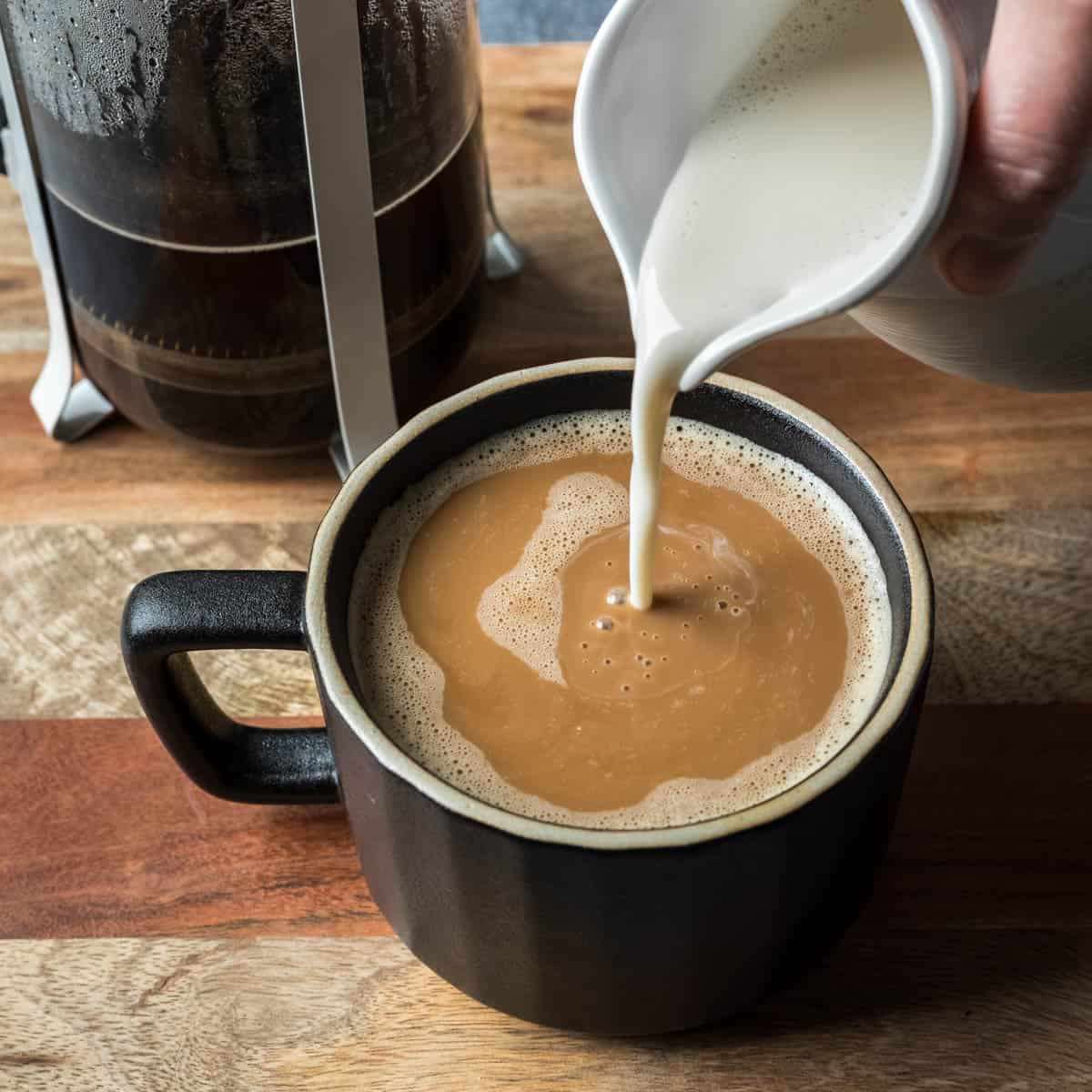
The Oat Milk Creamer Recipe with Enzymes uses rolled oats blended into a coarse flour. Digestive enzyme powder containing amylase and glucoamylase is mixed in to break down oat starches during a warm soak, naturally sweetening the mixture over 30 to 45 minutes. Hot water is used to activate the enzymes without causing scalding, and the process is monitored by tasting for a slight sweetness that indicates activity.
Cashew nuts or flavorless oil are added to build creaminess, and vanilla extract or clear imitation vanilla provides gentle flavoring. A pinch of salt balances the composition, while optional sunflower lecithin stabilizes the emulsion. The mixture is blended and strained for a smooth consistency aimed at coffee or beverage use.
Flavor variations include cinnamon roll, mocha mint, toasted almond, and pumpkin spice by adding spices, extracts, cocoa powder, or sweeteners during preparation. Adjust sweetness according to taste, typically starting with 2 teaspoons sugar per 8 ounces of creamer.
If the oat milk thickens noticeably during heating, it may indicate ineffective enzyme activity or rolled oat variation; blending the oats into flour helps enzymes access starches better. In such cases, repurposing the mixture as a pudding-style dessert with added sweetener and vanilla is an option.
Ingredients
- 1¼ cups rolled oats certified gluten-free, if needed
- 3 cups water
- 1 capsule vegan digestive enzyme tap for product; should contain amylase and glucoamylase
- pinch of salt sea salt
- ½ teaspoon vanilla extract or clear imitation vanilla, pure
- ½ cup cashew nuts or 2½ tablespoon flavorless oil, raw
- 1 teaspoon sunflower lecithin emulsifier, optional
Instructions
Soak, blend & strain:
- Put the rolled oats in a blender. Blend for about 5 seconds or until they're the consistency of coarse flour. Pour oat flour into a large bowl.
- Open one digestive enzyme capsule and dump the powder into the bowl (discard the capsule).
- Heat the water to approximately 150 degrees F (66 C). I like to microwave it in a large bowl. At this temp it will feel very hot but won't immediately scald you.
- Pour the hot water into the bowl with the oat flour and enzymes, and stir well. For reference, use a spoon to taste the oat water (it will be very bland). Set aside for 30-45 minutes. I like to stir occasionally during this time. After 30 minutes, taste the water again. It should now taste slightly sweet. If it doesn't, either the enzymes used aren't effective or the water wasn't the correct temperature. If you think the water was too cool, microwave the bowl for about 30 seconds to raise the temperature, and check again in 15 minutes.
- Rinse out the blender to remove any oat flour remnants, and pour the oat-water mixture into the blender. Starting on low, quickly increase to high speed, and blend for about 10 seconds. You don't need to blend long since the oats were already broken down to flour. If not using a Vitamix or other high-speed blender, you may need to blend in two batches due to the large volume.
- Use a nut milk bag to strain the oat milk into a large heavy-bottom pot or saucepan. I like to place one nut milk bag inside another, for a double layer. Or you can strain it twice using the same bag (rinse in between uses). Since the starch has been broken down into sugars, it's fine to squeeze the bag. However, if you notice that it feels slimy, this means the enzymes did not work. Review the tips in the Notes section below before proceeding.Save the oat pulp for baking or add it to smoothies.
Simmer:
- Over medium heat and whisking frequently, slowly bring the oatmilk creamer to a simmer. Aim for 195 degrees F. If you don't own a thermometer, look for these visual clues: tiny bubbles around the edges and slight movement in the center, like it's just about to reach a full simmer. Whisking, maintain this low simmer for another 20 seconds or so, then remove from heat. Whisk in the salt and vanilla.
Add fat for richness:
- Let cool for about 20 minutes or until barely warm (so it's safe to put in the blender). Rinse out the blender jar, and return the creamer to the blender. For the cashew option, add them to the blender, and blend on high until completely smooth. Don't worry about over-blending! It's better to blend too much than too little in this case.For the oil option, while blending on high, remove the cap from the pour spout and slowly drizzle in the oil. Add the sunflower lecithin and blend for a few more seconds.
- Pour into a clean jar and place in the refrigerator uncovered. Once cool, cover the jar. Keep refrigerated and use within 5 to 6 days.
Notes
- Use a digestive enzyme blend containing both amylase and glucoamylase for best starch breakdown.
- Blend rolled oats into a coarse flour before soaking to allow enzymes to act effectively.
- Warm water used for activating enzymes should be hot but not boiling, around 150°F (66°C).
- Flavor oat creamer by adding spices or extracts such as cinnamon, cocoa, peppermint, almond, or pumpkin spice along with sweeteners.
- If oat milk thickens unexpectedly during heating, the enzymes may not have worked; consider using the mixture as a dessert instead.
Nutrition Information
Show DetailsNutrition Facts
Serving: 9servings
Amount Per Serving
Calories 84 kcal
% Daily Value*
| Serving | 4tablespoon | |
| Calories | 84kcal | 4% |
| Carbohydrates | 9g | 3% |
| Protein | 3g | 6% |
| Fat | 4g | 6% |
| Sodium | 50mg | 2% |
* Percent Daily Values are based on a 2,000 calorie diet.
User Reviews
Overall Rating
5
You'll Also Love