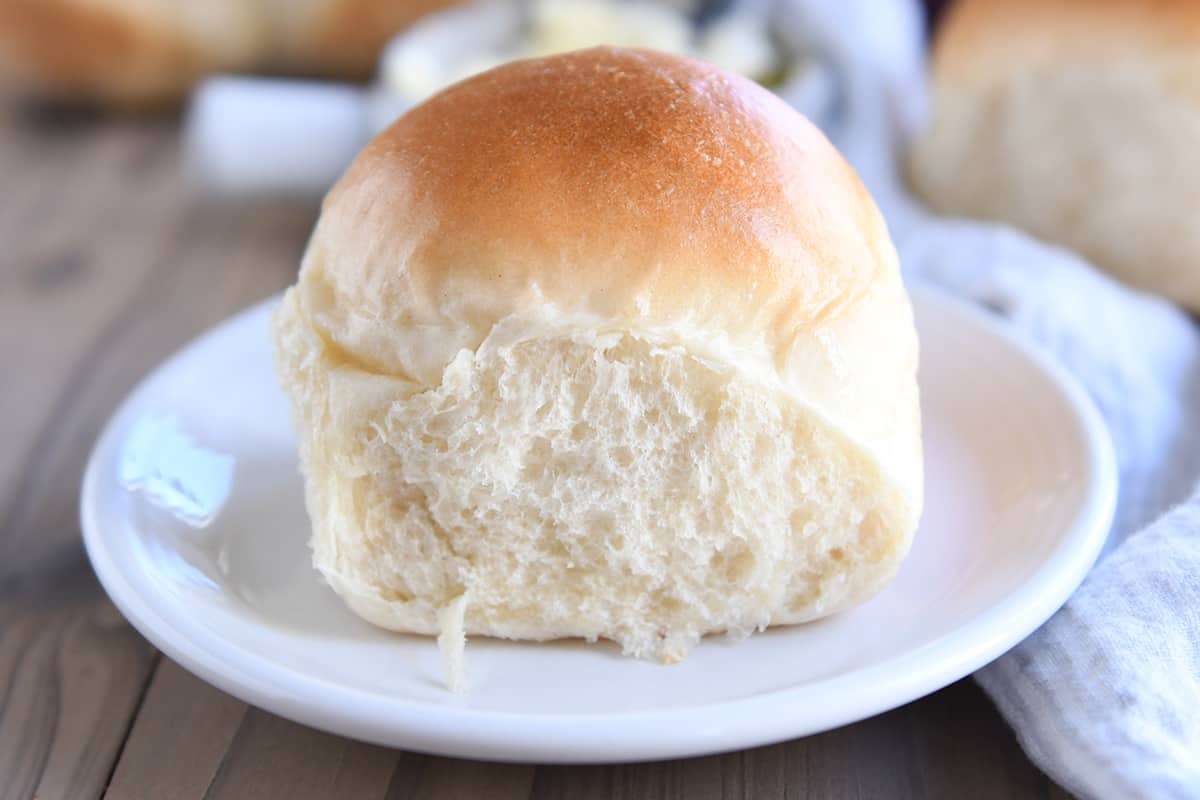
Perfect Soft and Fluffy Dinner Rolls
User Reviews
5
Perfect Soft and Fluffy Dinner Rolls
Description
The recipe starts by warming milk until steaming, then mixing it with water, butter, and sugar to create the ideal environment for yeast activation. After stirring in yeast and allowing it to foam, egg, salt, and flour are added gradually. The flour quantity is adjusted to form a soft yet cohesive dough. Kneading develops gluten for strength and a smooth texture.
Once kneaded, the dough is left to rise in a warm spot until doubled in size, which promotes a light, airy crumb. The rolls are shaped, allowed to rise again, and then baked until just golden. Brushing melted butter on the freshly baked rolls enriches their flavor and keeps the crust tender.
These rolls can be served alongside meals or used to make sandwiches due to their soft, pliable texture and subtle buttery sweetness. They carry well with savory or sweet accompaniments.
The dough can be eased into a make-ahead schedule by refrigerating unrisen rolls for up to 24 hours before baking. Sweetness can be adjusted by increasing sugar slightly, and partial substitution of all-purpose flour with whole wheat flour can add flavor and nutrition while maintaining lightness. Leftover baked rolls freeze well when stored in resealable bags.
Ingredients
- 1 ¼ cups milk
- ¼ cup water
- ¼ cup butter softened or melted
- 2 tablespoons granulated sugar
- 1 tablespoon instant yeast or active dry yeast
- 1 large egg
- 1 ¼ teaspoons salt
- 4 ¼ to 4 ½ to 4 ½ cups all-purpose flour
- butter for brushing hot, baked rolls
Instructions
- Heat the milk until tiny bubbles form around the edges and the milk is steaming. Pour into the bowl of a stand mixer fitted with the dough hook.
- Add the water, butter, and sugar. Let the mixture cool until warm (if you dip a finger in, it should feel like a warm bath - not too hot, not too cold, just right).
- Stir in the yeast and let rest for 5-7 minutes until the yeast is foamy (technically, you don't need to let the yeast activate before adding the flour, but I find in yeast bread recipes with milk, the dough rises quicker/better if I let the yeast activate first).
- Add the egg, salt and flour (start with 3 3/4 to 4 cups flour) and mix, adding additional flour gradually, until the dough clears the sides of the bowl and forms a soft, sticky ball. Don't over flour the dough.
- Knead for 5-6 minutes until the dough is soft and smooth.
- Let the dough rise in a warm spot until doubled, about an hour or so. (I usually let the dough rise right in the mixing bowl, but you can transfer to a lightly greased bowl and cover.)
- Grease a 9X13-inch pan. Lightly punch down the dough and turn out onto a lightly greased countertop.
- Divide the dough into 12 equal pieces (3 to 3.5 ounces each). Roll each piece into a round ball and place in the prepared pan, spacing 1/2-inch or so apart (four rows of three rolls).
- Preheat the oven to 375 degrees F. Place an oven rack in the middle position.
- Cover and let the rolls rise until doubled. The rolls should be very puffy with the sides touching.
- Bake the rolls for 15-20 minutes until golden on the tops and bottoms. Butter the tops of the rolls immediately out of the oven.
Notes
- Increase sugar by 1-2 tablespoons for sweeter rolls.
- Replace 1-2 cups of all-purpose flour with whole wheat (white whole wheat, kamut, or einkhorn preferred) for added flavor and texture.
- Prepare rolls ahead by shaping and refrigerating unrisen dough covered for up to 24 hours before baking.
- Baked and cooled rolls freeze well in resealable bags for later use.
Nutrition Information
Show DetailsNutrition Facts
Serving: 12rolls
Amount Per Serving
Calories kcal
% Daily Value*
| Serving | 1 roll | |
| Calories | 239kcal | 12% |
| Carbohydrates | 41g | 14% |
| Protein | 7g | 14% |
| Fat | 5g | 8% |
| Saturated Fat | 3g | 15% |
| Cholesterol | 27mg | 9% |
| Sodium | 241mg | 10% |
| Fiber | 1g | 4% |
| Sugar | 3g | 6% |
* Percent Daily Values are based on a 2,000 calorie diet.
User Reviews
Overall Rating
5
You'll Also Love