Potato Bread
User Reviews
4.4
Potato Bread
Description
This Potato Bread recipe starts by boiling peeled russet potatoes until tender and mashing them. Warm milk is combined with butter and salt, then mixed with the mashed potatoes to form the wet base. The yeast is added once the mixture cools to a lukewarm temperature to activate fermentation.
Flour is incorporated gradually, first mixed by paddle attachment, then kneaded with a dough hook to develop gluten and create a pliable, somewhat sticky dough. The dough is left to rise in a greased bowl covered to encourage yeast activity.
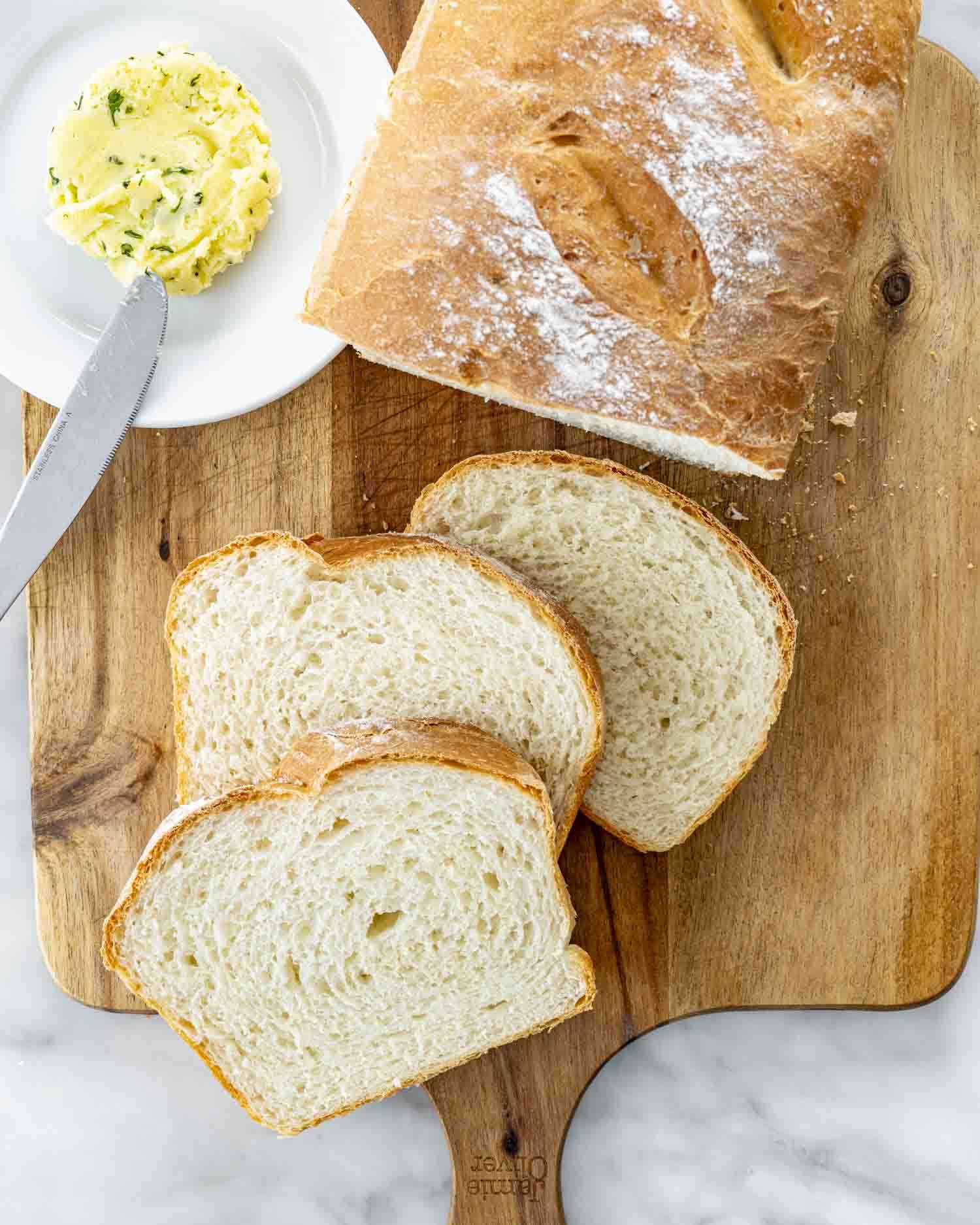
The inclusion of potatoes contributes starch which retains moisture, resulting in bread with a soft crumb that stays fresh longer. The final product produces two loaves with a tender interior and a golden crust, ideal for slicing thin or thick depending on use. Letting the loaves cool fully before slicing improves ease of cutting.
If the loaves brown too quickly but are not cooked through, covering loosely with foil and continuing to bake is recommended. This bread freezes well when fresh, and can be kept covered at room temperature for over a week thanks to the potato's moisture retention.
Ingredients
- 2 medium russet potato peeled and cubed
- 1½ cup milk
- ¼ cup butter unsalted
- 1 teaspoon salt
- 2¼ teaspoon instant yeast 1 packet
- 4½ cups all-purpose flour up to 5 cups
Instructions
- Fill a medium size saucepan with 2 to 3 cups of water and add the potato cubes. Bring to a boil over medium-high heat and cook for 10 to 15 minutes or until fork tender. Drain and mash it with a fork.
- Add the milk into a medium size saucepan and add the butter and salt to it. Heat on medium heat just until the milk start to bubble around the edges a bit. Stir it then add the mashed potatoes.
- Pour this mixture into the bowl of your stand mixer and let it cool until still warm but not hot to touch. Add the yeast to the mixer bowl and 2 cups of flour. Using the paddle attachment mix until the flour is fully incorporated into the milk mixture. Switch to the dough hook and add another 2 cups of flour. Mix on low speed for 5 to 7 minutes. Add remaining flour as needed, it should mostly come clean from the sides of the bowl but should still be loose and a little gluey.
- Grease a large bowl with cooking spray then place the dough in the bowl. Cover with plastic wrap or a damp clean towel and let it rise in a warm draft-free spot until doubled in size. You can also refrigerate the dough overnight, it should slowly rise in the fridge.
- Punch down the dough with your fist to let the air out. Turn the dough onto a clean and lightly floured surface. Knead it with your hands a couple time, then using a pastry scraper, cut it into two equal size pieces. Great 2 8x4-inch loaf pans with a little oil or cooking spray. Place each half into the greased pans.
- Lightly sprinkle the top of the loaves with a bit of flour and if preferred, cut 3 slits into each loaf. Let the loaves rest in a warm draft-free environment for another 30 minutes to an hour or until doubled in size.
- While the loaves are resting, preheat the oven to 375°F. Transfer the loaf pans to the oven and bake for 35 to 40 minutes or until the bread sounds hollow when lightly tapped. If the loaves are browned on top but still not baked through, cover them loosely with foil to prevent over-browning and continue baking until done. The breads are baked through when the internal temperature is between 190°F and 200°F.
- Let the loaves cool for about 2 minutes in the pans, then gently run a dull knife along the edge of the pan to loosen the bread. Turn the loaf pans onto a cooling rack and let cool completely before slicing and serving.
Notes
- This recipe makes two loaves; assume 10 slices per loaf for nutritional estimates.
- Use two medium russet potatoes to yield about 1 to 1.5 cups mashed potatoes for the dough.
- Allow loaves to cool completely before slicing to achieve cleaner cuts.
- If loaves brown before fully baked, cover them loosely with foil and continue baking until done.
- An instant-read thermometer can help determine when the bread is fully baked, useful especially for novice bakers.
- The potato starch helps retain moisture, keeping the bread softer for an extended period.
- Store the bread covered at room temperature for up to one week or freeze fresh loaves for 3 to 6 months.
Nutrition Information
Show DetailsNutrition Facts
Serving: 20Serving
Amount Per Serving
Calories 153 kcal
% Daily Value*
| Serving | 1slice | |
| Calories | 153kcal | 8% |
| Carbohydrates | 27g | 9% |
| Protein | 5g | 10% |
| Fat | 3g | 5% |
| Saturated Fat | 2g | 10% |
| Polyunsaturated Fat | 0.2g | 1% |
| Monounsaturated Fat | 1g | 5% |
| Trans Fat | 0.1g | 5% |
| Cholesterol | 8mg | 3% |
| Sodium | 127mg | 5% |
| Potassium | 157mg | 3% |
| Fiber | 1g | 4% |
| Sugar | 1g | 2% |
| Vitamin A | 89IU | 2% |
| Vitamin C | 1mg | 1% |
| Calcium | 29mg | 3% |
| Iron | 2mg | 11% |
* Percent Daily Values are based on a 2,000 calorie diet.
User Reviews
Overall Rating
4.4
You'll Also Love