Potato Bread
User Reviews
5
Potato Bread
Description
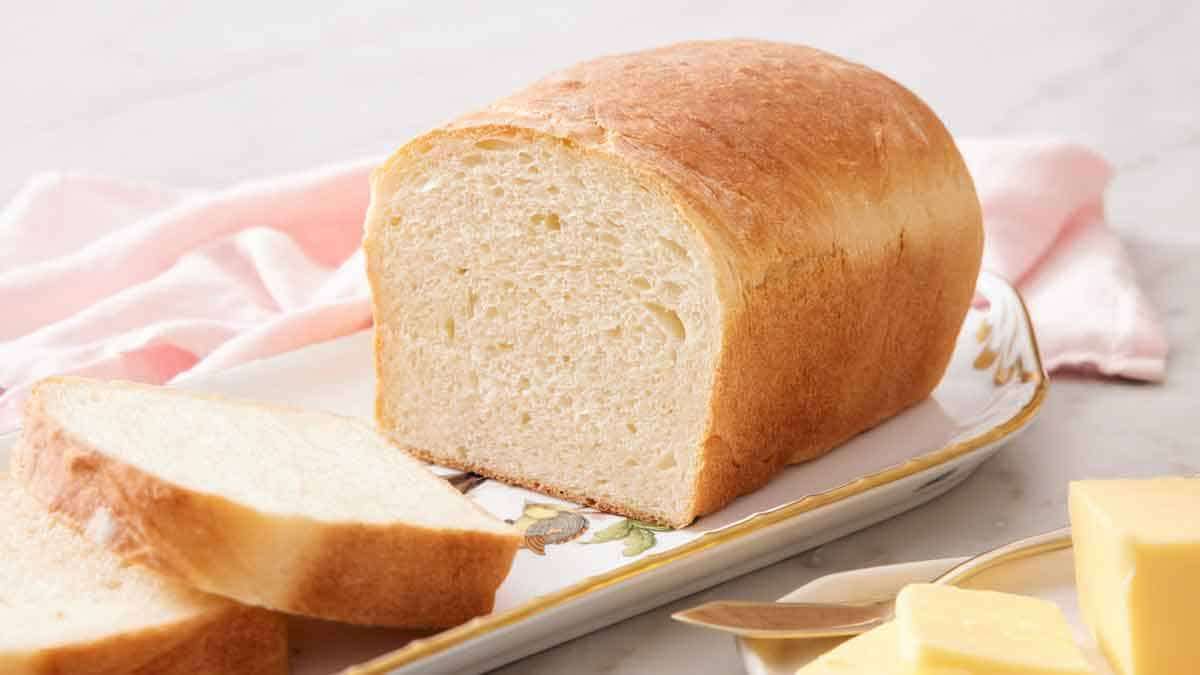
This potato bread recipe starts by boiling sliced russet potatoes until tender, then mashing them smooth. Importantly, half a cup of the potato boiling water is reserved and added along with milk, sugar, yeast, and softened butter into the dough. This potato water and mashed potato mixture enhance the bread's moisture, flavor, and texture. The flour and salt are mixed in, then the dough is kneaded with a dough hook until smooth, elastic, and able to stretch without tearing, as verified by the windowpane test.
The recipe mentions the option to use leftover mashed potatoes or baked potatoes instead of cooking new potatoes, which makes it practical for using leftovers. The dough can be divided into evenly sized loaves using a scale for uniform baking. Kneading can be done by hand or with a mixer. The result is a tender bread loaf with a soft crumb suitable for sandwiches or toast.
Attention to smooth mashed potatoes (without lumps) and proper kneading affects the bread's final quality. The use of potato water adds flavor and starch to the dough, improving texture. This is a versatile bread that integrates potatos for added softness distinct from typical white bread.
Ingredients
- ½ pound russet potato 225g
- 1 cup milk 110-115°F) (240mL, warm
- ¼ cup granulated sugar (50g)
- 1 (0.25-ounce/7g) packet instant yeast
- 5½ cups all-purpose flour (660g)
- 2 teaspoons salt
- ⅓ cup butter softened (75g, unsalted
Instructions
- Peel and cut potatoes into ½-inch thick slices. Transfer to a medium pot, and fill with water until potatoes are covered by about an inch. Bring water to a boil over medium-high until potatoes are fork tender, about 10 minutes.
- Drain potatoes, reserving ½ cup of the water. Mash the potatoes with a potato masher until smooth, and measure out 1 cup of mashed potatoes. (Save any remaining mashed potatoes for another use.) Allow the mashed potatoes to cool slightly, 5 to 10 minutes.
- In the bowl of a stand mixer, whisk together the warm mashed potatoes, milk, sugar, yeast, and potato water until combined. Add the flour, salt, and butter, and using the paddle attachment on low speed, mix until just combined.
- Using the dough hook attachment on low speed, knead the dough until smooth, tacky, and passes the windowpane test, 5 to 8 minutes. (To test the dough, pinch off a 1-inch ball, then stretch it between your fingers into a square. If the dough doesn’t break but is thin enough to let light pass through, it’s ready. If it breaks when stretched, continue kneading for another minute and repeat the test.)
- Transfer the dough to a lightly oiled large bowl, cover, and let rise in a warm place until doubled in size, about 45 minutes.
- Preheat oven to 350°F. Grease two 9x5-inch loaf pans.
- Punch down the risen dough. On a lightly floured surface, divide the dough into 2 equal pieces (about 706g each). Gently press the first portion of dough into a 9x6-inch rectangle. Starting on one long side, fold the dough in on itself in thirds, pinching the seam together to seal it together. Reshape into a 9-inch log, if needed. Place into the prepared loaf pan, seam side down, and repeat with the second portion of dough. Loosely cover both loaves and let rise again until well puffed, about 20 minutes.
- Uncover and bake until the tops are golden brown, 35 to 40 minutes. Let cool for a few minutes in the pan, then remove and cool completely on a wire rack. Store covered at room temperature for 3 to 5 days.
Notes
- Reserve half a cup of the potato boiling water to add flavor and moisture to the dough; if lost, mix a teaspoon of mashed potato into warm water as a substitute.
- Use smooth, lump-free mashed potatoes for best texture; a potato masher or ricer works well.
- Leftover mashed or baked potatoes can be used instead of cooking fresh potatoes; warm them before using.
- Check dough readiness with the windowpane test by stretching a dough piece until translucent without tearing.
- For even loaves, weigh portions before baking each around 700 grams.
- Kneading can be done by hand if no stand mixer is available, ensuring the dough becomes smooth and elastic.
Nutrition Information
Show DetailsNutrition Facts
Serving: 2loaves
Amount Per Serving
Calories 1783 kcal
% Daily Value*
| Calories | 1783kcal | 89% |
| Carbohydrates | 314g | 105% |
| Protein | 42g | 84% |
| Fat | 38g | 58% |
| Saturated Fat | 22g | 110% |
| Polyunsaturated Fat | 3g | 18% |
| Monounsaturated Fat | 9g | 45% |
| Trans Fat | 1g | 50% |
| Cholesterol | 96mg | 32% |
| Sodium | 2389mg | 100% |
| Potassium | 1039mg | 22% |
| Fiber | 11g | 44% |
| Sugar | 32g | 64% |
| Vitamin A | 1144IU | 23% |
| Vitamin C | 6mg | 7% |
| Calcium | 227mg | 23% |
| Iron | 17mg | 94% |
* Percent Daily Values are based on a 2,000 calorie diet.
User Reviews
Overall Rating
5
You'll Also Love