Rye Sourdough Starter
User Reviews
4.8
Rye Sourdough Starter
Description
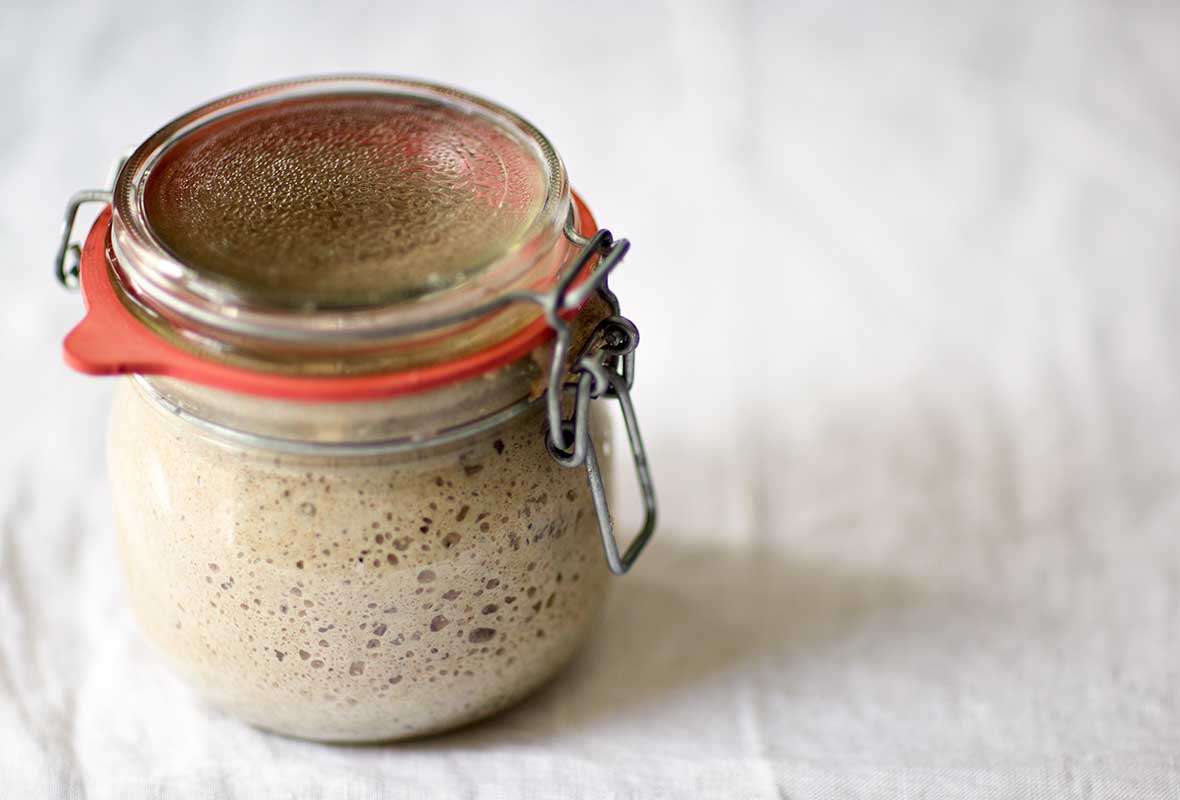
This Rye Sourdough Starter recipe involves mixing equal weights of whole grain rye flour and warm water to form a thick paste that is left at room temperature to ferment for 24 hours. This initial culture encourages the growth of wild yeasts and beneficial bacteria from the flour and environment.
From day two through seven, the starter is refreshed daily by discarding most of the culture and feeding the remainder with fresh rye flour and water of the same weight. This regular feeding builds yeast activity and keeps the culture healthy, smoothing its aroma and flavor to a pleasantly sour or tangy profile suitable for baking.
After about a week, the starter becomes ready for baking or refrigeration. Maintaining the starter involves less frequent feedings with smaller amounts of flour and water but consistent care to preserve its rising power and sour notes. The rye flour provides a distinctive flavor and nutrients that support a robust sourdough culture compared to wheat starters.
Ingredients
Day 1: Make the Rye Sourdough Starter
- 2.5 ounces whole grain rye flour preferably organic
- 2.5 ounces water warm (105°F or 41°C
Days 2 to 7: Refresh the Rye Sourdough Starter
- 2.5 ounces whole grain rye flour preferably organic
- 2.5 ounces water warm (105°F or 41°C
- 2.5 ounces sourdough starter from the preceding day
Days 8 and Beyond: Maintain the Rye Sourdough Starter
- 2.5 ounces rye flour preferably organic, medium or whole-grain
- 2.5 ounces water warm (105°F or 41°C
- .25 ounces rye sourdough starter
Instructions
Day 1: Make the rye sourdough starter
- Start with equal amounts of organic rye flour and water by weight. Dump them in a nonreactive (glass, porcelain, stainless-steel, plastic) container, mix by hand into a stiff paste, cover, and let stand at room temperature (68 to 72°F or 20 to 22°C) for 24 hours.☞ TESTER TIP: Occasionally the yeast normally present in whole grains fail to establish itself in a new culture; if, after 3 or 4 days, the culture darkens, develops a mold, or smells bad, dump the whole batch and start over. After a week, the culture, or sourdough starter, will be ready to use or to be stored refrigerated in an airtight container for a couple days. [Editor's Note: If storing the sourdough starter for more than a couple days, you'll need to maintain it, which we explain how to do just below.]
Days 2 to 7: Refresh the rye sourdough starter
- The next day, discard all but 2 1/2 ounces (70 grams) of the culture and mix the remainder with the refresh ingredients, cover, and let stand. Repeat each day, discarding all but 2 1/2 ounces (70 grams) of the preceding day’s culture.☞ TESTER TIP: The most important point to remember at the early stages is to feed the sourdough starter daily. Even when it shows no apparent fermentation, the yeast is busy multiplying and consuming nutrients at a very high rate. By the second or third day, it will swell, show bubbles, and give off a clean sour smell. Over the next few days the activity will become more and more vigorous and the smell more intense.
Days 8 and Beyond: Maintain the rye sourdough starter
- In a perfect world—or in a working bakery—sourdough starters are refreshed daily. That said, daily feedings demand both a degree of dedication and abundant flour supplies that are impractical for all but the most committed home bakers. You can get by refreshing your starter every 36 hours or so.
- Mix the rye flour, water, and rye sourdough starter by hand until incorporated. Cover and ferment at room temperature (68 to 72°F or 20 to 22°C) overnight or for 10 to 12 hours. The sponge will be very bubbly, have a clean sour smell, and will have tripled in volume. Store refrigerated in an airtight container and it will last indefinitely.
Nutrition Information
Show DetailsNutrition Facts
Serving: 16servings
Amount Per Serving
Calories 51 kcal
% Daily Value*
| Serving | 1batch | |
| Calories | 51kcal | 3% |
| Carbohydrates | 11g | 4% |
| Protein | 2g | 4% |
| Fat | 1g | 2% |
| Saturated Fat | 1g | 5% |
| Monounsaturated Fat | 1g | 5% |
| Sodium | 1mg | 0% |
| Fiber | 2g | 8% |
| Sugar | 1g | 2% |
* Percent Daily Values are based on a 2,000 calorie diet.
User Reviews
Overall Rating
4.8
You'll Also Love