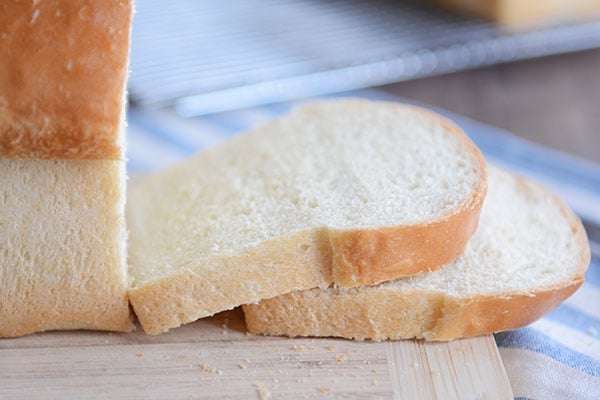
The Best White Sandwich Bread
User Reviews
4.7
The Best White Sandwich Bread
Description
This white sandwich bread recipe uses unbleached all-purpose flour and instant yeast, combined with sugar or honey for slight sweetness and vegetable oil for moisture. The mixing process starts with a portion of flour, yeast, salt, and sugar, combined with warm water and oil to form a batter. After a short rest, more flour is added gradually while mixing to form a smooth yet slightly tacky dough that is then kneaded briefly.
The dough’s gentle tackiness indicates the right hydration level, leading to a loaf with a tender crumb and pleasant chewiness. It rises in a greased bowl until doubled, reflecting good yeast activity and dough development. This bread works well for slices that hold up to sandwich fillings without crumbling.
The bread is versatile for daily use, and the recipe notes highlight the importance of adjusting flour quantity to suit flour type, humidity, and measurement methods. Using unbleached flour and optional bread flour affect texture, and the yeast can be substituted by proofing in water if instant yeast is unavailable.
Ingredients
- 6 ½ to 7 ½ to 7 ½ cups all-purpose flour unbleached
- 2 ½ teaspoons salt
- 1 ½ tablespoons instant yeast
- ¼ cup sugar or honey
- 2 ¾ cups water very warm
- ¼ cup neutral-flavored oil like grapeseed, canola, vegetable, avocado
- butter optional, for top of loaves
Instructions
- In the bowl of an electric stand mixer fitted with the dough hook (or in a large bowl, if making the dough by hand), combine THREE cups of the flour, salt, yeast and sugar.
- Add the water and oil and mix until combined. The mixture will be thinner than bread dough.
- Cover the bowl and let the batter rest for 10 minutes; it will be slightly bubbly at the end.
- With the mixer running (or stirring by hand), gradually add another 3 to 4 cups of flour, until the dough comes together in a cohesive ball that clears the bottom and sides of the bowl and doesn't leave a lot of doughy residue on your fingers when touched while still being just slightly tacky (not overfloured and dense).
- Knead for about 2 minutes until the dough is smooth and supple.
- Lightly grease a large bowl. Transfer the dough to the prepared bowl, cover with greased plastic wrap or a light kitchen towel, and let rise until doubled, about an hour or so, depending on the warmth of your kitchen.
- Lightly punch down the dough and divide it into two equal pieces.
- Grease two 8 1/2-inch by 4 1/2-inch bread pans.
- Press each piece of dough into a thick rectangle about 8-inches long; roll it up, pressing on the seams, and pinching the final seam together.
- Place the dough loaves into the prepared pans.
- Cover with lightly greased plastic wrap or thin kitchen towels and let rise until doubled and the dough has risen about 1-inch above the top rim of the pan, about an hour or so, depending on the warmth of your kitchen.
- While the dough rises, preheat the oven to 350 degrees F.
- Bake the bread for 30-32 minutes until golden and baked through.
- Remove from the oven and turn the bread out onto a wire rack. Immediately brush the tops of the loaves with melted butter (or use a stick of butter, peeling the paper back and rubbing it on the top of the hot bread).
- Let the bread cool completely.
- The bread can be stored at room temperature, covered in a bread bag, for a couple days, or frozen for up to a month or so.
Notes
- Use unbleached all-purpose flour for best results, or bread flour for a chewier loaf.
- If you lack instant yeast, dissolve the same amount in warm water with a pinch of sugar before adding.
- Add flour gradually to get a soft, smooth dough that is only slightly tacky, adjusting based on humidity and flour measuring.
Nutrition Information
Show DetailsNutrition Facts
Serving: 20slices (2 loaves)
Amount Per Serving
Calories kcal
% Daily Value*
| Serving | 1 slice | |
| Calories | 195kcal | 10% |
| Carbohydrates | 36g | 12% |
| Protein | 5g | 10% |
| Fat | 3g | 5% |
| Saturated Fat | 1g | 5% |
| Sodium | 292mg | 12% |
| Fiber | 1g | 4% |
| Sugar | 3g | 6% |
* Percent Daily Values are based on a 2,000 calorie diet.
User Reviews
Overall Rating
4.7
You'll Also Love