Trader Joe's (Diner) Mac & Cheese Copycat Recipe
User Reviews
4.7
-
Prep Time
15 mins
-
Cook Time
10 mins
-
Total Time
25 mins
-
Servings
10 enough sauce for 2 lbs of pasta
-
Calories
3749 kcal
-
Course
Main Course
-
Cuisine
American
Trader Joe's (Diner) Mac & Cheese Copycat Recipe
Description
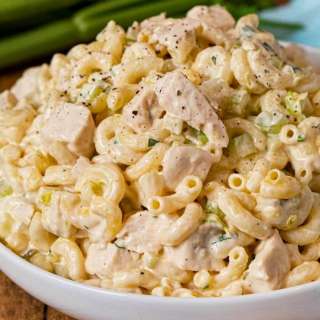
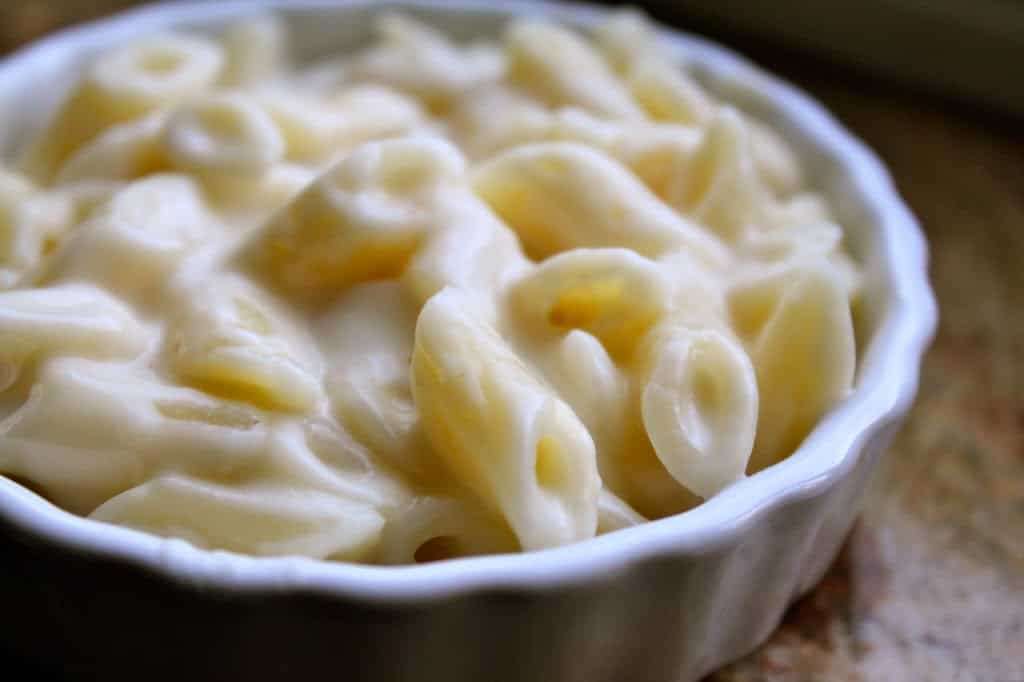
The macaroni and cheese starts by boiling salted elbow pasta until tender. Meanwhile, the cheese sauce is prepared by making a roux of butter and all-purpose flour cooked without browning to avoid raw flour taste. Milk is gradually whisked in to build a smooth white sauce, then a combination of four grated cheeses—White Cheddar, Havarti, Gouda, and Swiss—is added and melted to create a creamy, cohesive sauce.
Seasonings include salt, white pepper, and a touch of nutmeg, which subtly enhance the cheese flavor without overpowering. Mixing quality cheeses and careful sauce preparation ensures a silky texture coating the pasta evenly. The recipe yields sauce for two pounds of pasta, making a generous amount with a balanced cheesy flavor leaning toward a rich yet not sharp profile suitable for those who appreciate mild, creamy mac and cheese.
Adjusting the quantity of sauce for smaller batches is straightforward by halving the ingredients. The dish can be served as a main or side, embodying a diner-style mac and cheese experience with its blend of cheeses and careful cooking technique.
Ingredients
- ¼ cup butter
- ⅓ cup all-purpose flour
- 4 oz White Cheddar Cheese (good quality, grated)
- 3 oz havarti cheese (good quality, grated)
- 2 oz gouda cheese (good quality, grated)
- 1 oz swiss cheese (good quality, grated)
- ¾ tsp salt
- 3 cups milk whole
- ⅛ tsp white pepper
- ⅛ tsp nutmeg
- 1 lb elbow pasta (good quality, I like De Cecco)
Instructions
- Start by putting a large pot of water on to boil the pasta-make sure to salt it well.
- Now, start making the cheese sauce, but if the pasta water comes to a boil before you add the cheese to the sauce you are making, turn it down.
- Melt the butter in a medium sized pan over medium heat, then add the flour and stir well. Continue to cook while stirring for about 3 to 4 minutes, but do not let it brown. (Cooking the flour well is important because the sauce will have a “raw-flour” taste if it isn’t cooked long enough.)
- Have the milk close by in a jug that is easy to pour from, and add a little drop of milk. The milk should sizzle and steam immediately, if it doesn’t, turn up the heat a little. Once the milk does sizzle, begin adding a little at a time, and stirring quickly to keep the sauce smooth. The secret to not having lumps in white sauce is to gradually increase the amount of milk you add each time; if you add too much at once, especially early on, chances are you will end up with lumpy sauce (which is completely reparable with an immersion blender)!
- Start with about 2 tablespoons of milk, then 2 more, then a little more each time. Once the sauce begins to form, you can add more milk each time. Just make sure all the milk has been absorbed after each addition, before adding more.
- Once the sauce is finished, add salt, nutmeg and white pepper to taste, and lower the heat. At this point, add the pasta to the boiling water. Stir well, and stir the white sauce, too, so it doesn’t stick. Now, add the grated cheeses to the white sauce, and stir until it is melted, adjusting the heat if necessary. Stir constantly or it will stick.When the pasta is ready (al dente), drain and return to the pot and stir in the HALF of the cheese sauce; serve hot. Put the other half of the cheese sauce in a quart jar and freeze.
Notes
- This recipe yields cheese sauce for two pounds of pasta; halve ingredients if making less.
- Use good-quality cheeses for best flavor and melting properties.
- Cook the roux without browning the flour to prevent a raw flour taste in the sauce.
Nutrition Information
Show DetailsNutrition Facts
Serving: 10enough sauce for 2 lbs of pasta
Amount Per Serving
Calories 3749 kcal
% Daily Value*
| Serving | 1serving of sauce for 2 lbs of pasta | |
| Calories | 3749kcal | 187% |
| Carbohydrates | 410g | 137% |
| Protein | 157g | 314% |
| Fat | 162g | 249% |
| Saturated Fat | 96g | 480% |
| Polyunsaturated Fat | 8g | 47% |
| Monounsaturated Fat | 39g | 195% |
| Trans Fat | 3g | 150% |
| Cholesterol | 489mg | 163% |
| Sodium | 4316mg | 180% |
| Potassium | 2402mg | 51% |
| Fiber | 16g | 64% |
| Sugar | 49g | 98% |
| Vitamin A | 4970IU | 99% |
| Vitamin C | 0.5mg | 1% |
| Calcium | 2985mg | 299% |
| Iron | 8mg | 44% |
* Percent Daily Values are based on a 2,000 calorie diet.
User Reviews
Overall Rating
4.7
You'll Also Love