Homemade aioli
User Reviews
4.7
-
Prep Time
30 mins
-
Total Time
30 mins
-
Course
Condiments
Homemade aioli
Description
This aioli recipe focuses on emulsification, starting by mixing the egg yolk with crushed garlic and slowly adding olive oil in very small increments to build a stable sauce. The controlled addition of oil during the first ten minutes is essential to achieve the proper chemical bonds that produce a thick, creamy texture. Lemon juice adds acidity and salt seasons the finished sauce.
The garlic’s pungency balances with the olive oil’s richness and the slight tang from lemon juice, resulting in a versatile sauce with a smooth consistency. The method described requires patience and close attention to oil incorporation to prevent the sauce from separating.
Homemade aioli is suitable for serving alongside grilled meats, vegetables, sandwiches, or as a dip. Its robust garlic flavor and creamy texture add depth to many dishes.
Ingredients
- 1 egg yolk
- 4 garlic crushed, cloves
- 20 cl olive oil 20 cl = 7 ounces = 0.875 cups
- 1 to 2 teaspoons lemon juice
- salt a pinch
Instructions
Tips and secrets for making homemade aioli from scratch:
- There are many stories about making aioli being an exercise of faith: sometimes, the olive oil blends and solidifies with the egg, and sometimes it doesn’t, no matter how hard, long or fast the ingredients are whisked. It’s happened to us, and then we learned. Time to teach magic.
- The success or failure of aioli comes in the first 10 minutes when the olive oil comes in contact with the egg and garlic.
- The two factors that make it work are 1/ mixing the egg with very small drops of olive oil at the beginning. If you add too much oil immediately, the aioli is missed beyond repair. You can add more oil, beat it harder, chances are it will remain liquid and never catch on. The first drops of olive oil make the initial chemical bonds that solidify the sauce and set the foundation for everything else. You can add oil faster later, at about 2cl rate, every 2-3 minutes. You’ll see very quickly that from start to end, the sauce never gets liquid. If it’s liquid, it’s not aioli.
- Now, time for the secret number 2: garlic has emulsive chemical properties that directly contribute to the consistency of the sauce. Crush it all and add it to the mix from the very beginning. The amount of garlic is therefore both a matter of taste and necessity. Aioli can be quite strong if you put too much of it, and if you put too little you’re risking upsetting the bonding process. Now you know the secret of making aioli and the preparation is a set of simple tasks.
French aioli preparation:
- Separate the white and yolk of an egg by breaking the shell half open and gently dropping the yolk back and forth; the yolk must stay whole and not break during the process.
- Put the yolk, salt and crushed garlic inside a small bowl
- Add, as outlined above, very small drops of olive oil into the bowl and stir gently with a whisk; there is no need for an electric mixer or whisking particularly fast, just enough for ingredients to blend
- About one minute later, add a few more drops, again in very small amounts, whisk between oil increments. Keep adding oil in tiny amounts for the first 10 minutes until you have a thick base.
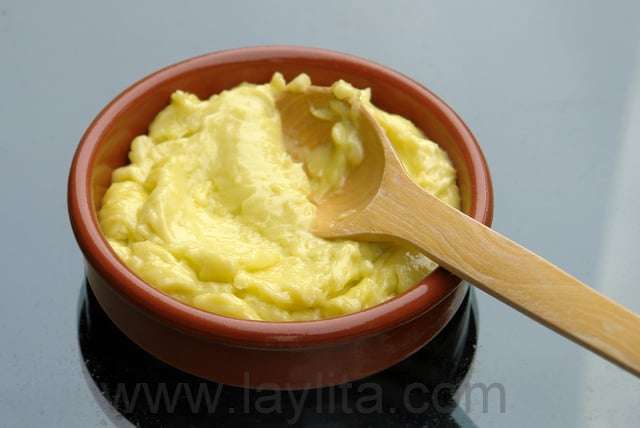
- The aioli, once 10cl of oil have been poured, becomes more solid and harder to stir. It may also get caught inside the whisk, which is fine. Carefully tap the whisk handle onto the bowl (holding the latter, naturally) and repeat occasionally to retain homogeneity of the sauce. You can add oil a little faster now, at about a 2cl rate.
- At the very end, add lemon juice to your taste. This will help smothen the sauce and give it a crisper, fresher color.
User Reviews
Overall Rating
4.7
You'll Also Love