How to Cook Mussels Recipe
User Reviews
4.9
How to Cook Mussels Recipe
Description
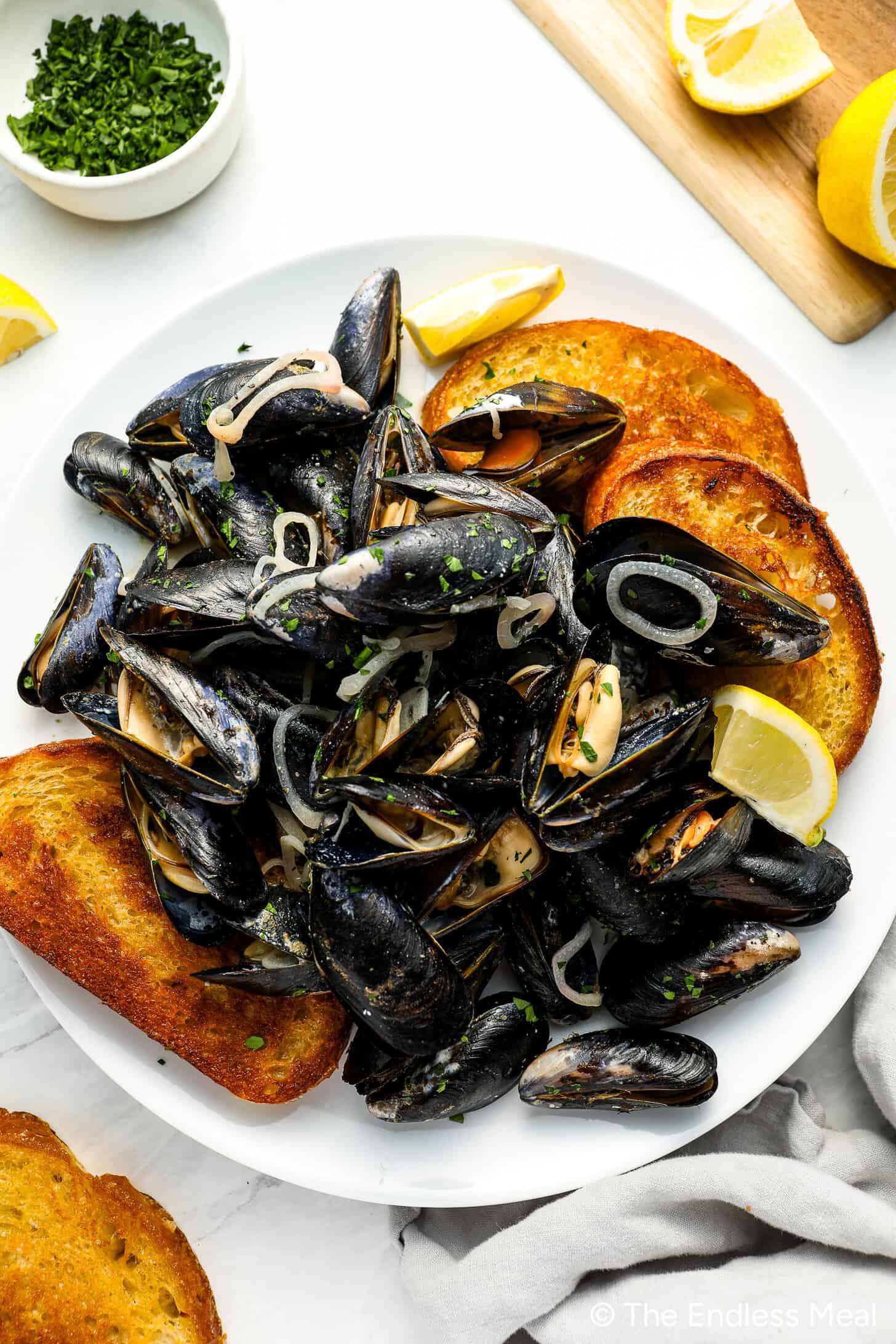
The How to Cook Mussels Recipe begins with careful selection and cleaning of fresh mussels. Each mussel is inspected and tapped to ensure it is alive and safe to cook; any open mussels that do not close should be discarded. Shells are scrubbed to remove debris, and the mussels are debearded by pulling out the fibrous threads attached to their shells. The preparation of the white wine sauce involves gently heating butter or olive oil with thinly sliced shallots and garlic, bay leaves, and black pepper to release flavors. Mussels are then added to the pot and covered to steam until they open, releasing their oceanic juices into the sauce. The optional addition of heavy cream enriches the broth with silkiness, and a squeeze of lemon juice adds brightness. Freshly minced parsley sprinkled on top provides a herbal note. This dish highlights fresh mussels cooked simply to showcase their natural taste enhanced by a flavorful but delicate sauce.
This approach is ideal for an appetizer or a light main course paired with crusty bread to soak up the broth. The recipe also notes a dairy-free alternative using cashew cream made from blended soaked cashews and water.
Ingredients
- 2 tablespoons butter olive oil for dairy-free
- 1 small shallot thinly sliced
- 3 cloves garlic thinly sliced
- 2 bay leaf
- ½ teaspoon black pepper
- 1 cup white wine dry
- 4 lb mussels cleaned
- heavy cream see notes, ¼ cup, optional
- lemon juice from 1/2 lemon
- 2 tablespoons parsley finely minced
Instructions
Prepare the Mussels
- Working with one mussel at a time, first check to make sure that it is tightly closed. If it's open, tap it on your counter. If it doesn't close, it means the mussel has died and must be discarded. Next, rinse the shell under cool running water and scrub it gently to remove debris. Make sure to keep the bowl of mussels on the counter as you don't want it to fill with water.
- If there is something that looks like some hair (see the picture in the post) in the mussel, this is the beard. It's a bit of the rope that they were grown on and should be removed before cooking. To remove the beard, or de-beard the mussels, grab the beard and pull it towards the tail (narrow) end of the mussel. Most of the time it will come out with a firm tug. If not, you can cut it with a pair of scissors as close to the shell as possible.
- Once the mussels are clean, put them into a bowl and set them aside on your counter while you prepare the white wine sauce.
Mussels in White Wine
- Melt the butter in a large pot over medium-high heat. Add the shallot and garlic and let them cook for 3 minutes. Add the bay leaves, pepper, and wine to the pot and bring the wine to a boil.
- Add the mussels and cover the pot. After three minutes, take the lid off and gently stir the mussels. Try to push any shells that are unopened to the bottom of the pot so they are closer to the heat. After 5 minutes remove the mussels from the heat. Discard any mussels that have not opened.
- Pour the cream (if using) and the lemon juice into the sauce and gently mix. Sprinkle the parsley over the top and serve right away.
Notes
- To make this dish dairy-free, substitute the heavy cream with cashew cream made by blending raw cashews with water and straining.
- Ensure mussels are fresh, discard any that remain open after tapping.
- Remove beards from mussels by pulling or cutting close to the shell before cooking.
Nutrition Information
Show DetailsNutrition Facts
Serving: 4serving
Amount Per Serving
Calories 261 kcal
% Daily Value*
| Serving | 1 serving = ¼ of the recipe | |
| Calories | 261kcal | 13% |
| Carbohydrates | 12g | 4% |
| Protein | 28g | 56% |
| Fat | 5g | 8% |
| Saturated Fat | 1g | 5% |
| Polyunsaturated Fat | 1g | 6% |
| Monounsaturated Fat | 1g | 5% |
| Cholesterol | 66mg | 22% |
| Sodium | 674mg | 28% |
| Potassium | 826mg | 18% |
| Fiber | 1g | 4% |
| Sugar | 1g | 2% |
| Vitamin A | 387IU | 8% |
| Vitamin C | 20mg | 22% |
| Calcium | 82mg | 8% |
| Iron | 9mg | 50% |
* Percent Daily Values are based on a 2,000 calorie diet.
User Reviews
Overall Rating
4.9
You'll Also Love