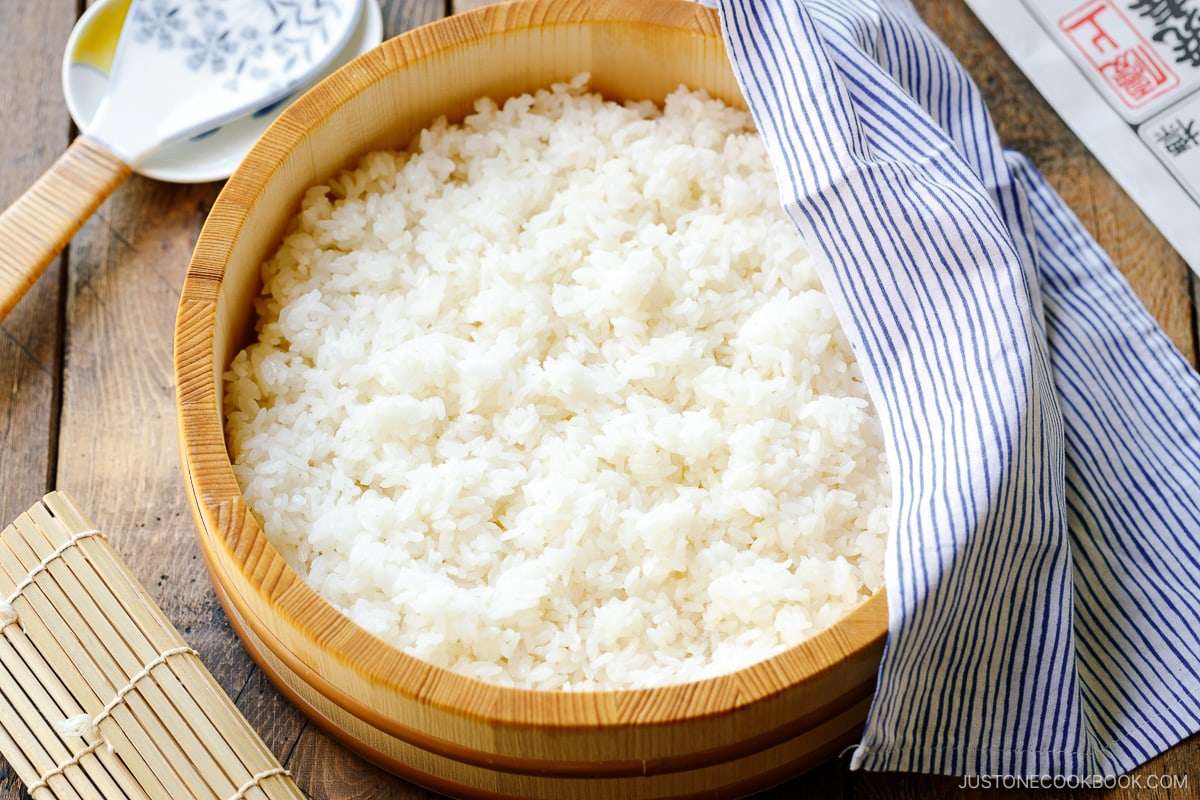
How to Make Sushi Rice (for Sushi Recipes)
User Reviews
4.6
How to Make Sushi Rice (for Sushi Recipes)
Description
"How to Make Sushi Rice (for Sushi Recipes)" explains selecting and preparing Japanese short-grain rice essential for sushi. The method includes washing the rice to remove excess starch, cooking it precisely with water and kombu for subtle flavor enhancement, and seasoning it with a balance of rice vinegar, sugar, and salt unless using bottled seasoned vinegar. This seasoning creates the characteristic tangy and slightly sweet flavor sushi rice is known for.
The recipe outlines portion sizes catering to different sushi styles: thick futomaki, medium chumaki, thin hosomaki, inside-out uramaki, and nigiri preparations, giving practical guidance for sushi rice quantities needed for specific rolls. Attention is drawn to measuring rice using standard rice cooker cups common in Japanese kitchens.
This foundational sushi rice is essential for making a variety of sushi rolls and nigiri at home, enabling control over texture and flavor and forming the base for authentic preparation.
The notes provide additional detail on servings and sushi roll types, assisting the cook in adapting rice amounts as needed.
Ingredients
★ For 3–4 Servings (Makes 4 Medium Sushi Rolls)
- 1½ cups Japanese short-grain white rice 2 rice cooker cups; 360 ml; yields 4⅓ cups or 660 g of cooked rice, uncooked
- 1½ cups water (360 ml)
- 1 piece kombu 5 g per piece; 2 x 2 inches, 5 x 5 cm; optional, for a nice aroma!, dried kelp
- 4 Tbsp rice vinegar or use the same amount of bottled, pre-seasoned sushi vinegar and skip the sugar and salt, unseasoned
- 2 Tbsp sugar (skip if using bottled sushi vinegar)
- 1 tsp kosher salt skip if using bottled sushi vinegar, Diamond Crystal brand
★ For 5–6 Servings (Makes 6 Medium Sushi Rolls)
- 2¼ cups Japanese short-grain white rice 3 rice cooker cups; 540 ml; yields 6⅔ cups or 990 g of cooked rice, uncooked
- 2¼ cups water (540 ml)
- 1 piece kombu 5 g per piece; 2 x 2 inches, 5 x 5 cm; optional, for a nice aroma!, dried kelp
- ⅓ cup rice vinegar or use the same amount of bottled, pre-seasoned sushi vinegar and skip the sugar and salt, unseasoned
- 3 Tbsp sugar (skip if using bottled sushi vinegar)
- 1½ tsp kosher salt skip if using bottled sushi vinegar, Diamond Crystal brand
Instructions
Before You Start...
- How much rice to cook depends on the kind of sushi you make. One thick sushi roll (futomaki) requires 1⅔ cups (250 g) of sushi rice. One medium sushi roll (chumaki) like Vegetarian Sushi Roll requires 1 cup (150 g) of sushi rice. One thin sushi roll (hosomaki) requires ½ cup (80 g) of sushi rice. One inside-out sushi roll (uramaki) like California Roll requires ¾ cup (110 g) sushi rice. One nigiri sushi requires 20 g of sushi rice.
- How to Measure Rice: Overfill a ¾ cup measuring cup or a plastic rice cooker cup with uncooked short-grain white rice and level it off. Put the measured rice in a large bowl. Repeat until you have the amount you need. Tip: You must use Japanese short-grain white rice or your sushi will fall apart.
- Now, gather all the ingredients.
To Wash the Rice
- Quick Rinse: Add just enough water to the bowl to submerge the rice, then pour off the water immediately. Tip: Rice absorbs water very quickly when you start rinsing, so discarding this water right away helps rinse off impurities while keeping the rice from absorbing the first few rounds of milky water.
- Wash: With your fingers, gently agitate the wet grains in a circular motion for 10–15 seconds. Tip: Using very little water allows the grains to rub against each other and reduces the absorption of impurities.
- Rinse: Add water and immediately discard the cloudy water. Repeat Wash and rinse (steps 2 and 3) two more times.
- Drain: When the water is almost clear, drain the rice thoroughly. Tip: Use a fine-mesh sieve to drain and shake off any excess water.
To Soak and Cook the Rice
- Put the well-drained rice in the inner pot of a rice cooker and add the measured amount of water. If your rice cooker has a Sushi Rice mode, add water up to the line for how many rice cooker cups of rice you're cooking. If not, use the White Rice mode and add water to just under that line. Tip: Use 1 part rice to 1 part water for sushi rice—less liquid than for regular steamed rice—to account for absorbing the seasoned sushi vinegar later.
- Check the piece of kombu for dirt particles. If you see any, use a damp cloth to gently wipe them off (this is the traditional method, but kombu is fairly clean these days). Do not wipe off the white powdery substance that contributes to the umami flavor, and NEVER wash kombu! Now, place the kombu on top of the rice in the pot.
- Let the rice soak in the water for 20–30 minutes, then start cooking. If you don‘t have a rice cooker, cook the rice in a pot over the stove, Instant Pot, or donabe with the same amount of water I specified in this recipe.
To Make the Homemade Sushi Vinegar (Optional)
- If you are not using store-bought sushi vinegar (seasoned rice vinegar), follow this step. Combine the rice vinegar, sugar, and salt in a small saucepan.
- Heat it over medium-high heat until it's nearly simmering, whisking until the sugar is dissolved. Alternatively, you can heat the ingredients in a microwave-safe bowl for 1 minute or until the sugar dissolves. Set aside to let it cool.
To Season the Rice
- Moisten a wooden sushi oke (called hangiri) with running water, drain, and dry it with a clean towel. You can also use a large salad bowl or baking sheet lined with parchment paper. Tip: This wooden tub helps absorb excess moisture whereas a ceramic bowl cannot.
- When the rice is done cooking, discard the used kombu (or repurpose it to make simmered kombu).
- Transfer the hot cooked rice to the sushi oke. Spread out the rice evenly so it will cool faster.
- While the rice is hot, pour the sushi vinegar over it.
- With a rice paddle, gently “slice” the rice at a 45-degree angle to incorporate the vinegar mixture and separate the rice chunks. Do not use a stirring or mixing motion because the grains may break and make the rice mushy. At the same time, vigorously fan the rice with a paddle fan or another type of fan to cool it. Fanning wicks away the excess moisture and makes the rice shine.
- Gently flip the rice after every few slices.
- Repeat this process until the rice is cooled to the temperature of human skin. Your sushi rice is now ready to use in your favorite sushi recipes.
To Keep
- Cover the sushi rice with a damp towel (or paper towel) and keep it at room temperature for up to a few hours. To store it longer, see below.
To Store
- Rice gets hard and dry in the refrigerator from the cold air. Therefore, I recommend freezing the leftover sushi rice in an airtight container for up to a month. When you're ready to use it, defrost the frozen rice overnight in the fridge, then bring it to room temperature (not hot) in the microwave. If you really want to refrigerate it, cover the container with a thick kitchen towel, so the rice will stay cool but not become cold.
Notes
- Measure rice using a rice cooker cup (¾ cup/180 ml) and level off for accuracy.
- Japanese short-grain rice is necessary to achieve the proper sticky texture for sushi.
- Rice quantities vary depending on sushi style: futomaki, chumaki, hosomaki, uramaki, or nigiri, so adjust accordingly.
- Use kombu in cooking water optionally to add aroma without affecting taste.
- If using bottled pre-seasoned sushi vinegar, omit added sugar and salt in seasoning.
Nutrition Information
Show DetailsNutrition Facts
Serving: 4Serving
Amount Per Serving
Calories 353 kcal
% Daily Value*
| Calories | 353kcal | 18% |
| Carbohydrates | 79g | 26% |
| Protein | 6g | 12% |
| Fat | 1g | 2% |
| Saturated Fat | 1g | 5% |
| Polyunsaturated Fat | 1g | 6% |
| Monounsaturated Fat | 1g | 5% |
| Sodium | 344mg | 14% |
| Potassium | 75mg | 2% |
| Fiber | 3g | 12% |
| Sugar | 7g | 14% |
| Calcium | 20mg | 2% |
| Iron | 4mg | 22% |
* Percent Daily Values are based on a 2,000 calorie diet.
User Reviews
Overall Rating
4.6
You'll Also Love