How to Make Verjus
User Reviews
5
-
Prep Time
1 hr 30 mins
-
Total Time
1 hr 30 mins
-
Servings
2 quarts
-
Course
Condiments
-
Cuisine
French
How to Make Verjus
Description
How to Make Verjus begins by carefully removing most stems from about 10 pounds of unripe grapes to facilitate milling without damage. The grapes are then ground using a coarse die meat grinder or a food mill fitted with a coarse plate to produce a slurry of juice and pulp. Speed is important during grinding to limit oxidation, which causes browning; working quickly helps retain a paler, fresher color in the juice.
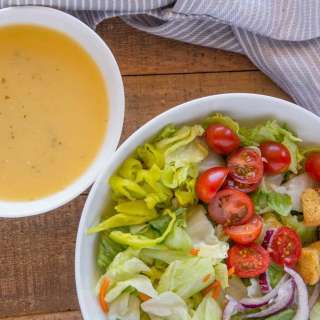
Citric acid and sodium metabisulfite are added to the grape juice to preserve freshness and acidity. The resulting verjus is a gently acidic liquid, less sharp than vinegar, traditionally used as a salad dressing or to add mild acidity in cooking. It pairs well with green salads, as illustrated by using it with melted wild duck fat in dressings.
The process requires some time and effort in preparation, particularly the stem removal step, but yields a versatile and delicate acidic ingredient. Verjus is appreciated for its subtlety compared to stronger vinegars and lemon juice, lending brightness to dishes without overpowering them.
Ingredients
- 10 pounds grapes unripe
- 1 teaspoon citric acid
- 1/2 teaspoon sodium metabisulfite
Instructions
- Take most of the stems off the grapes. This will take some time, maybe an hour or so. Longer if you've never done it before. But if you don't do this part, you will have a tough time running the grapes through the food mill.
- Grind the grapes through a coarse die on your meat grinder. Sadly, the Kitchenaid attachment isn't strong enough for this task, so you need a real grinder. I use a 7 mm die -- large enough to let the seeds get through (you don't want to crush them) and small enough to grind even small grapes. If you have the meat grinder, this process takes only a couple minutes. If you don't, you can use a food mill fitted with a coarse plate. This is a distant second and will require a little elbow grease.
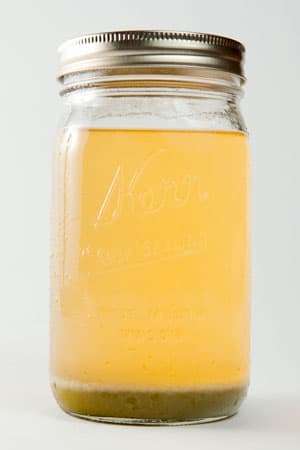
- As you get a slurry of ground-up grapes and grape juice, pour it into a bowl as you work. You will need to work quickly, as the grape juice will oxidize and turn brown. There is really no getting over this, but the faster you work the greener -- or at least more golden -- your verjus will be. Work slow and it will look like malt vinegar.
- Now you need to run the ground grapes through a fine mesh sieve. If you have rubber gloves, put them on. Why? The acid in these grapes made my hands sting for a couple hours after I squeezed the ground-up grapes over the sieve. And yes, you need to squeeze your grapes because you really want as much liquid as you can extract.
- You can take an optional step of straining the juice a second time through the strainer with a paper towel set inside. This will remove a lot of the extremely fine particulate matter floating in your verjus. As you pour, it will catch in the paper towel, eventually stopping the flow of the verjus. You will need to replace the paper towels a couple times.
- Finally, you will need to pour the strained juice into a Mason jar. It's at this point that you add the citric acid and sodium metabisulfite, if you are using them. Shake the jar well to mix everything in, then put it in the refrigerator for up to 2 days. There will be a very fine layer of sediment on the bottom, even if you did the paper towel trick. You will not be able to strain this off -- it is too fine.
- So, what you need to do is gently decant it into a clean container. You will lose some verjus, but that's OK. If you don't do this step your verjus will oxidize even more. Nothing bad will happen, but it will look ugly.
- Bottle and store in the fridge. It should last for several months in the refrigerator, and up to 9 months if you use the citric acid and sodium metabisulfite. You can also freeze it.
User Reviews
Overall Rating
5
You'll Also Love