How to Render Duck Fat
User Reviews
5
-
Prep Time
10 mins
-
Cook Time
1 hr
-
Total Time
1 hr 10 mins
-
Servings
16
-
Calories
250 kcal
-
Course
Condiments
-
Cuisine
French
How to Render Duck Fat
Description
The process begins by cutting a pound of duck fat and skin into small pieces, removing the oil gland if working with tails to avoid bitterness. The pieces, possibly containing small bones, are placed in a pot and covered lightly with water. The mixture is brought to a boil, then simmered with lowered heat, allowing the fat to slowly melt out of the skin and connective tissue.
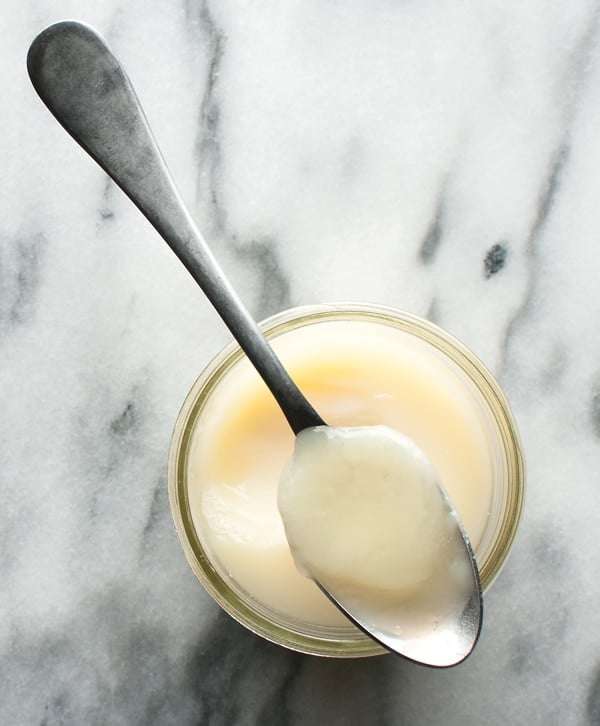
As the water evaporates, the pieces start frying in their own fat. The fat changes from milky to clear, indicating it is fully rendered, and bubbling slows. The liquid fat is then strained off to separate it from the solid cracklings (cracklins). The clean fat solidifies when cooled and can be refrigerated for months or frozen indefinitely.
The cracklings left behind can be reserved for eating if bones are removed. Proper rendering ensures clear, flavorful duck fat, prized for cooking and frying due to its rich taste and high smoke point.
Ingredients
- 1 pound duck fat with skin
- water to cover
Instructions
- Chop the duck fat into little pieces with kitchen shears. If you are working with the tails, snip away the oil gland. It's OK to have bones here and there, but if you are going to later eat the cracklins', you will want to remove any bones.
- Put the pieces in a pot and cover with water by just a little. Turn the heat to high, stir well and boil this. As the water boils away, you will want to reduce the heat so that ultimately, the pieces are frying in their own fat.
- Later, that fat will turn from milky to clear, and the bubbling will slow down. Strain the fat off the cracklins. Pour the clean fat into a Mason jar and refrigerate for up to 6 months, or freeze indefinitely.
Nutrition Information
Show DetailsNutrition Facts
Serving: 16Serving
Amount Per Serving
Calories 250 kcal
% Daily Value*
| Calories | 250kcal | 13% |
| Fat | 28g | 43% |
| Saturated Fat | 9g | 45% |
| Cholesterol | 28mg | 9% |
* Percent Daily Values are based on a 2,000 calorie diet.
User Reviews
Overall Rating
5
You'll Also Love