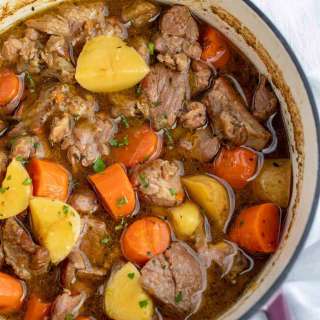
Pressure Cooker Pork Shank Carrots Soup 青紅蘿蔔豬腱湯
User Reviews
5
Pressure Cooker Pork Shank Carrots Soup 青紅蘿蔔豬腱湯
Description
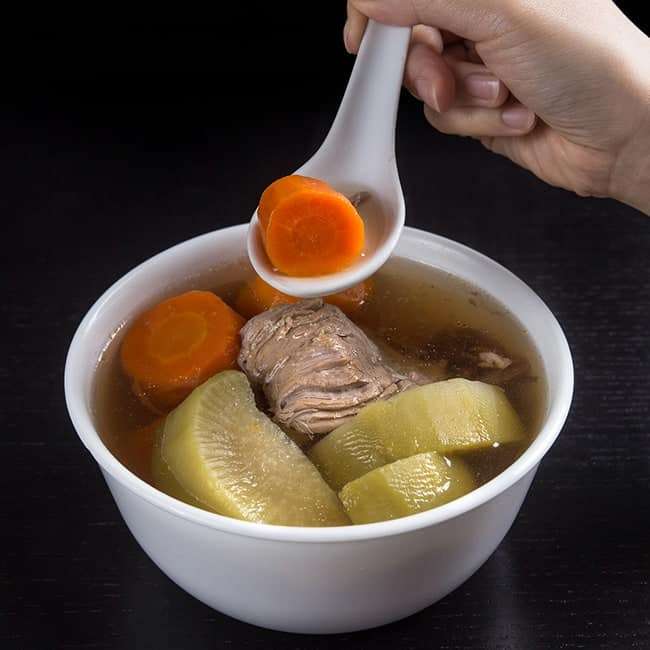
Pressure Cooker Pork Shank Carrots Soup 青紅蘿蔔豬腱湯 features pork shank simmered with roughly chopped carrots and green radish, enhanced with ginger, dried dates, and dried mandarin peel (chenpi). The recipe starts by blanching the pork shank to remove excess fat and impurities, then pressure cooking all ingredients with water for 30 minutes followed by natural pressure release. Afterward, the soup is boiled uncovered to concentrate flavors and develop a richer body.
The pork shank provides tender meat and collagen, while the large pieces of carrot and green radish soften into a mild, subtly sweet texture. Chenpi adds a gentle citrus aroma that balances the broth, and dried dates contribute a touch of sweetness without overpowering the savory profile. The use of a pressure cooker dramatically reduces cooking time while maintaining a clear, flavorful broth.
This soup can be enjoyed as a light yet filling main course or served alongside other dishes as part of a meal. Its slow-simmered flavors and comforting warmth make it suitable for family dinners or restorative eating during cold days. Salt is added at the end to taste, helping preserve the clarity and balance of the broth.
For best results, soak the chenpi before cooking and ensure the pork is blanched properly to avoid cloudiness. After cooking, additional boiling thickens the soup slightly, enriching its mouthfeel. This recipe does not include detailed guidance on storage or reheating, so consume the soup fresh for optimal flavor and texture.
Ingredients
- 2 (1 ½ lbs or 680g) carrot roughly chopped, large
- 1 ¾ pounds (800g) Green radish roughly chopped, large
- 1 ½ pounds (680g) pork shank
- 4 quarts (4L) water cold, running tap, unspecialized source
- 1 thin slice ginger
- 2 dried dates Chinese: 蜜棗
- 1 small piece chenpi dried mandarin peel; Chinese: 陳皮
- salt sea salt, to taste
Instructions
- Clean Pork Shank: Bring 2L of water to a boil. Then, boil the pork shank for 3 minutes to clean and remove the excess fat. Remove the pork shank and rinse it in cold tap water. We take this step whenever we make Chinese soups with pork shank or any other bones and meat.
- Prepare Ingredients: Soak 1 small piece of chenpi in cold water for 20 minutes. Wash the dried dates with cold running tap water. Prepare the rest of the ingredients as listed.
- Pressure Cook Pork Shank Soup: Place all the ingredients into the pressure cooker. Pour 2L of cold running tap water into the pot. Do not add any salt. Close the pressure cooker’s lid and pressure cook at High Pressure for 30 minutes, and full Natural Release (roughly 20 – 25 minutes). Turn off the heat.
- Seasoning: Carefully open the lid and heat up the pressure cooker to bring the soup back to a full boil. Let the soup boil for an extra 20 - 30 minutes (Instant Pot: use Saute function) to add body & thickness to the soup. Add sea salt to taste. (Make sure to add in the salt slowly and keep tasting. Do not over season.) For reference: We added roughly 1 ¼ tablespoon of fine sea salt.
- Serve: Serve hot. Enjoy~
Notes
- Blanch pork shank first to clean and reduce excess fat, which helps keep the broth clear.
- Soak chenpi in cold water before cooking to soften and release flavor effectively.
- After pressure cooking, boiling the soup uncovered adds body and deepens flavor without clouding the broth.
- Season with sea salt only at the end to maintain a balanced and clear soup base.
- Use cold running tap water for the broth as specified, without any special water treatment.
Nutrition Information
Show DetailsNutrition Facts
Serving: 4Serving
Amount Per Serving
Calories 318 kcal
% Daily Value*
| Calories | 318kcal | 16% |
| Carbohydrates | 27g | 9% |
| Protein | 40g | 80% |
| Fat | 6g | 9% |
| Saturated Fat | 2g | 10% |
| Cholesterol | 112mg | 37% |
| Sodium | 312mg | 13% |
| Potassium | 1577mg | 34% |
| Fiber | 8g | 32% |
| Sugar | 15g | 30% |
| Vitamin A | 28416IU | 568% |
| Vitamin C | 54mg | 60% |
| Calcium | 130mg | 13% |
| Iron | 3mg | 17% |
* Percent Daily Values are based on a 2,000 calorie diet.
User Reviews
Overall Rating
5
You'll Also Love