Carrot Kheer | Carrot Payasam
User Reviews
5
Carrot Kheer | Carrot Payasam
Description
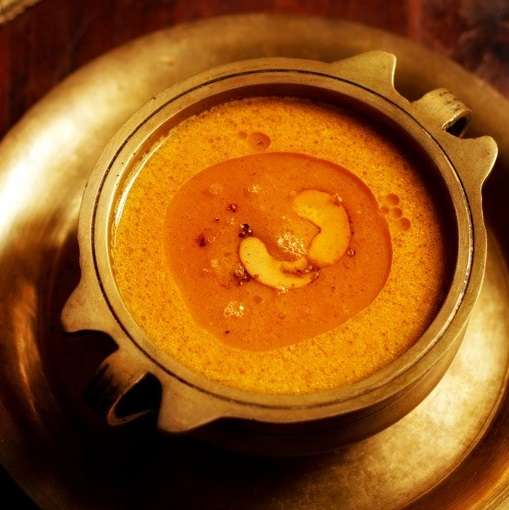
Carrot Kheer, also called Carrot Payasam, combines the sweetness of carrots with coconut milk and jaggery to create a rich, creamy pudding. The recipe involves boiling carrots until very tender, then blending them into a smooth puree. This puree is gently heated with thin coconut milk and dissolved jaggery without bringing it to a boil to keep the flavors balanced. After heating, thick coconut milk is stirred in carefully for added richness. Fried cashews, raisins, and cardamom add a mild crunch and aroma on top. The dish offers a smooth texture and natural sweetness from jaggery and carrots, enhanced with warm spice notes from cardamom.
Carrot Kheer is typically served warm or at room temperature as a comforting dessert option after meals. Its mild sweetness and creamy consistency make it a soothing finish, often enjoyed during festivals or special occasions.
Using good quality or homemade coconut milk improves the flavor; the recipe includes a method to thin store-bought coconut milk if needed. Substitutions like dairy milk can be used to alter the texture, simmering the mixture to slightly thicken it. Adjusting liquid quantities allows for preferred kheer consistency.
Ingredients
- 3 carrot medium to large, peeled and chopped roughly
- ¼ cup water - to blend carrots
- 3 to 4 green cardamom powdered and crushed or ½ teaspoon green cardamom powder
- 1 cup coconut milk - Thin or add water instead - check point 2 in notes below on how to thin coconut milk
- 1 cup coconut milk - Thick
- ½ to ¾ cup jaggery powder or add as required (depending on the sweetness of the carrots)
- ½ cup water - for dissolving the powdered jaggery
- 2 tablespoons cashews - halved or whole
- 1 tablespoons raisins
- 1 pinch rock salt (edible and food grade), optional
- 2 to 3 tablespoons neutral cooking oil or ghee (clarified butter, generic cooking oil
Instructions
- Boil the peeled and roughly chopped carrots in enough water till they become soft and completely tender.
- You could boil or steam them in an pan, in a stovetop pressure cooker, or in an Instant Pot, adding water as required.
- Stir jaggery in ½ cup water and mix till the jaggery is dissolved.
- If there are impurities, then strain the jaggery solution.
- When the carrots are warm or cooled, blend them adding ¼ cup water in a blender to a smooth and fine puree.
- Mix the carrot puree, thin coconut milk, jaggery solution, salt in a pot or pan and keep on low heat.
- Gently heat through and occasionally stir.
- Don't bring the mixture to a boil.
- Just let it get heated.
- When you see steam vapours floating on top above the payasam, switch off the fire.
- Stir in the thick coconut milk. Mix well and set aside.
- In a small pan, heat oil or ghee.
- First add the cashews and when they start to change color, add the raisins and cardamom powder.
- On a low heat, fry the cashew till they turn light golden or golden and the raisins swell and become golden.
- Pour this whole mixture into the payasam and stir to mix.
- Serve the carrot payasam hot or warm or cold. Refrigerate any leftovers.
Notes
- Use fresh or homemade coconut milk for the best flavor and texture.
- To thin canned coconut milk, mix one part coconut milk with three parts water.
- Dairy milk can replace coconut milk; simmer the mixture longer to thicken.
- Adjust the amount of water or coconut milk to achieve your desired kheer consistency.
Nutrition Information
Show DetailsNutrition Facts
Serving: 4Serving
Amount Per Serving
Calories 383 kcal
% Daily Value*
| Calories | 383kcal | 19% |
| Carbohydrates | 39g | 13% |
| Protein | 3g | 6% |
| Fat | 25g | 38% |
| Saturated Fat | 15g | 75% |
| Polyunsaturated Fat | 1g | 6% |
| Monounsaturated Fat | 8g | 40% |
| Sodium | 93mg | 4% |
| Potassium | 348mg | 7% |
| Fiber | 2g | 8% |
| Sugar | 30g | 60% |
| Vitamin A | 7643IU | 153% |
| Vitamin B1 (Thiamine) | 0.1mg | |
| Vitamin B2 (Riboflavin) | 0.04mg | |
| Vitamin B3 (Niacin) | 1mg | |
| Vitamin B6 | 0.1mg | |
| Vitamin C | 4mg | 4% |
| Vitamin E | 3mg | |
| Vitamin K | 8µg | |
| Calcium | 44mg | 4% |
| Vitamin B9 (Folate) | 18µg | |
| Iron | 3mg | 17% |
| Magnesium | 51mg | 13% |
| Phosphorus | 107mg | |
| Zinc | 1mg |
* Percent Daily Values are based on a 2,000 calorie diet.
User Reviews
Overall Rating
5
You'll Also Love