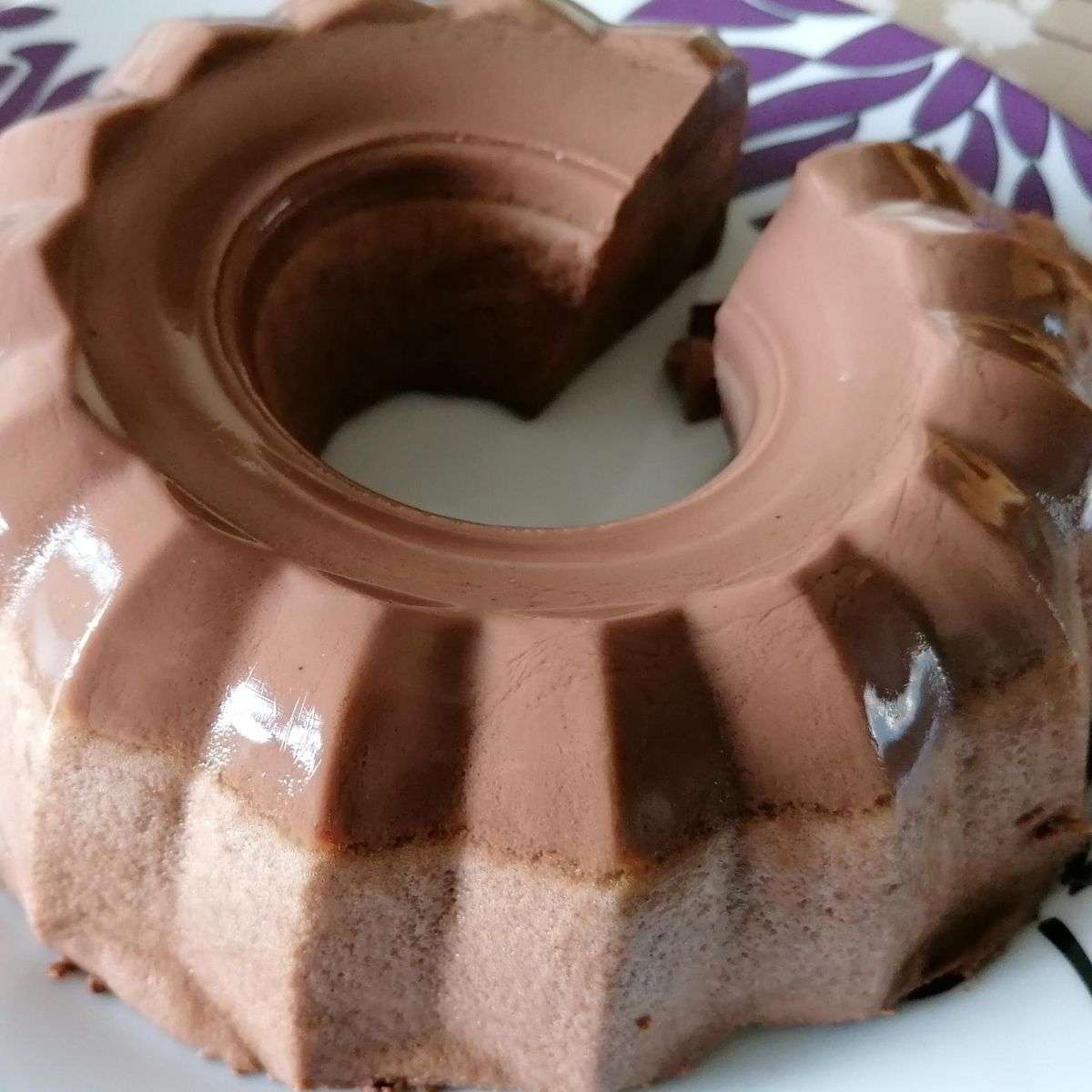
Chocolate mousse pudding with Aquafaba
User Reviews
5
-
Prep Time
10 mins
-
Cook Time
15 mins
-
Additional Time
2 hrs
-
Total Time
2 hrs 25 mins
-
Servings
12
-
Calories
63 kcal
-
Course
Dessert
-
Cuisine
Indonesian
Chocolate mousse pudding with Aquafaba
Description
Chocolate mousse pudding with Aquafaba blends the foamy texture of whipped aquafaba and a set base of milk, cocoa, sugar, and agar-agar. By cooking agar-agar with milk until fully dissolved and then mixing in a cocoa-sugar blend, a thickened, chocolate-infused pudding base is made. Separately, aquafaba is whipped into a stable, glossy foam that lightens the texture significantly when folded in. This vegan-friendly pudding sets firmly but remains airy, offering a delicate chocolate flavor. The gentle cooking and stirring ensure the agar-agar activates properly to prevent the pudding from weeping liquid over time.
The method requires patience while whipping the aquafaba, which can take at least 5 to 7 minutes until glossy peaks form, and careful stirring during cooking to avoid burning. The result is a mousse pudding with smooth texture and a light chocolate taste that can be served on its own or accompanied by custard, berries, chocolate sauce, or fruit coulis for added richness or freshness.
To make the pudding fully vegan, substitute the whole milk with plant-based alternatives like almond, oat, or soy milk. Fully cooking the agar-agar mixture after it boils is important for stability and texture. This pudding suits those seeking a dairy-free dessert option that is both visually appealing and enjoyable with a softer chocolate note.
Ingredients
- ⅔ cups aquafaba the liquid from canned chickpeas or beans
- 3 tbsp cocoa powder
- ½ cup granulated sugar
- 1 ½ tsp agar-agar
- 500 ml milk see the note.
- salt a pinch
Instructions
- Put about 450 ml of the milk and agar-agar powder in a saucepan, stir it well and heat it. Take care and keep stirring every now and then.
- At the same time, using a small mixing bowl or a measuring jar, mix the rest of the milk with cocoa powder, sugar, and salt.
- When you see that the milk is starting to boil, pour some of it into the cocoa powder mixture. Use a whisk to stir it well.
- Then put the cocoa powder and milk mixture back to the saucepan. Cook further at medium heat. But take care and make sure you keep stirring every so often.
- When the mixture is boiling, turn the heat down to low and continue to stir.
- Let it boil while you keep stirring at least for 3-5 minutes.
- Turn the heat off, and leave it to cool down a little bit while you get your Aquafaba ready.
- In a big mixing bowl, whisk your Aquafaba. You can use a handheld mixer or a stand mixer.
- It may take 5-7 minutes or more to get a glossy white foam of Aquafaba. Just be patient and persistent ?.
- When your Aquafaba becomes stiff peak consistency just like egg white meringue, turn your whisk to the lowest. Then slowly and gently pour your agar-agar mixture in.
- Keep whisking gently. Your mixture will double and expand due to Aquafaba. But that’s okay.
- When you think both mixtures are well mixed, you can pour it into your preferred pudding mold. Let it cool and set.
- Once the pudding is set, you can cool it in the fridge before serving.
- Enjoy.
Notes
- Substitute whole milk with plant-based milks such as almond, oat, or soy to make the pudding fully vegan.
- Ensure the agar-agar mixture boils and cooks for at least 3-5 minutes to fully activate, preventing the pudding from releasing liquid later.
- Whip aquafaba thoroughly for 5-7 minutes or more until glossy peaks form for best texture.
- Serve the pudding alone or with custard, fresh berries, chocolate sauce, or fruit coulis to enhance flavor and presentation.
Nutrition Information
Show DetailsNutrition Facts
Serving: 12Serving
Amount Per Serving
Calories 63 kcal
% Daily Value*
| Serving | 1g | |
| Calories | 63kcal | 3% |
| Carbohydrates | 12g | 4% |
| Protein | 2g | 4% |
| Fat | 1g | 2% |
| Saturated Fat | 1g | 5% |
| Cholesterol | 4mg | 1% |
| Sodium | 35mg | 1% |
| Sugar | 8g | 16% |
* Percent Daily Values are based on a 2,000 calorie diet.
User Reviews
Overall Rating
5
You'll Also Love