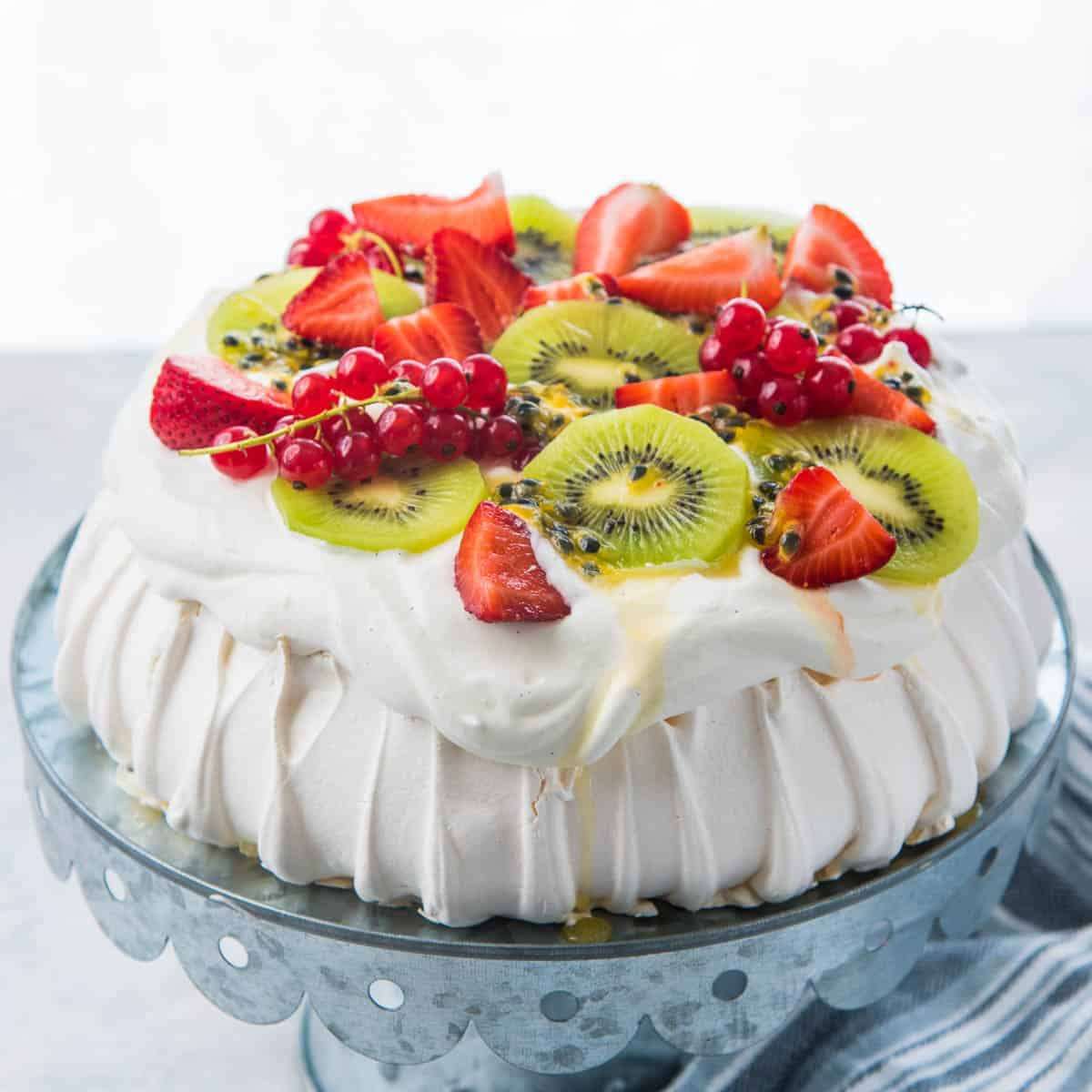
Perfect Pavlova Recipe
User Reviews
5
-
Prep Time
2 hrs
-
Cook Time
1 hr 30 mins
-
Additional Time
8 hrs
-
Total Time
11 hrs 30 mins
-
Servings
12 servings
-
Calories
223 kcal
-
Course
Dessert
-
Cuisine
Australian, New Zealand
Perfect Pavlova Recipe
Description
The Perfect Pavlova Recipe uses room-temperature egg whites whisked to stiff peaks with caster sugar, cornstarch, and white vinegar to form a stable meringue base. The sugar to egg white ratio is carefully measured for optimal stability. The meringue is shaped on parchment with a marked circle and baked at low temperature to dry and crisp the outside while keeping a soft center.
Once cooled, it is topped with lightly sweetened whipped cream flavored with vanilla extract and an assortment of fresh fruit such as kiwi, strawberries, and mango. The fruit adds freshness and acidity to contrast the sweetness and crispness of the pavlova shell.
This dessert is suited for celebrations or light finishes to meals, highlighting the balance of crisp meringue and creamy topping with fresh fruit vibrancy.
Proper egg white separation with no yolk contamination, and adjusting egg white temperature depending on season, ensures successful whisking. Careful measurement of sugar maintains stability of the meringue, and the minimum sugar ratio prevents collapse or softness.
Ingredients
Classic pavlova base
- 225 g egg about 7 large eggs (210 - 225 g, whites, at room temp
- 370 g caster sugar or granulated sugar that is pulsed to make it finer. 1¾ cups (about 1.6 - 1.7 times the amount of egg whites)
- 1½ tbsp cornstarch tightly packed tbsp, (15 -17 g)
- 2 tsp white vinegar 10 mL OR use 1 tsp / 5 g cream of tartar
- 1 tsp lemon optional (from a dry lemon, zest, grated
To serve the pavlova
- 1 ½ cup whipping cream 35% fat
- 50 g caster sugar ¼ cup, OR ½ cup / 50 g confectioner's sugar
- 2 tsp vanilla extract
- 2 kiwi peeled and sliced or diced into 1 inch pieces
- 1 cup strawberry or more, halved
- 1 cup Mango or other fruits such as blueberries, raspberries, red currants etc, diced
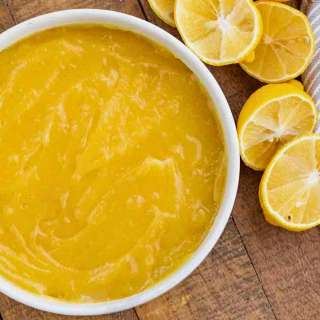
- ¼ cup passion fruit pulp or syrup, or lemon curd
Instructions
Pavlova base
- Make sure all the equipment is clean and dry (mixer bowl, whisk, two spatulas, sugar bowl, bowls to separate egg yolks and whites etc.).
- Preheat the oven to 275°F / 135°C. Cut a piece of parchment paper that's big enough to line a baking tray. Draw a circle that is 7.5 in / 19 cm in diameter on the underside of the parchment paper. Or 8 inches / 20 cm is OK too. Line the baking tray with the parchment paper (with the drawn circle on the underside). Set aside until needed.
- Carefully break an egg and strain the egg white into a small clean bowl, taking care not to break the egg yolk. Once you've successfully separated the egg white, transfer this into a mixer bowl that is on a weighing scale. See recipe notes for tips.
- Repeat with more eggs, until you have about 220 g of egg whites (give or take 5 grams). If you get any yolk into the egg white, you must discard the contaminated egg white and start again with another egg. This is why I advice to break the egg into a separate smaller bowl, before adding it into the mixer bowl.
- Do not throw away the egg yolks, since you can make other recipes with them (see notes in the post for some ideas). Store egg yolks in an air-tight container, with a layer of water to coat them on top.
- Make sure the egg whites are at room temperature (minimum 75°F / 24°C). If the kitchen is very cold (e.g. in winter), you may want to slightly warm the egg whites. To do this, place some hot tap water in a large bowl or pot, and carefully place the mixer bowl in the water. Stir the egg whites for about 1 - 2 minutes to warm them up to about 85 - 90°F (29 C - 32 C). (See recipe notes.)
- Once the egg whites are measured and in the mixer bowl, whisk the egg whites on speed 2 or 3 (on a 10 speed mixer) until they reach soft peak stage (i.e. when you lift the whisk, soft peaks should be formed in the egg whites). This may take between 5 - 10 minutes. Soft peak stage should form foam that has very small bubbles that easily pile up on the meringue (and do not disappear), almost like home-frothed cappuccino foam.
- Add the sugar when the egg whites are at soft peak stage, 1 spoonful at a time, at speed 3. Let the egg white mix whisk for about 10 - 15 seconds after adding each spoonful of sugar. (Add sugar every 20 - 30 seconds.)Also scrape down the sides of the bowl at least once, while adding the sugar. Do not rush this process. This can take about 5 - 12 minutes.
- Once all the sugar is added, stop the mixer and scrape down the sides of the bowl with a clean spatula. Make sure the sugar on the sides of the bowl is incorporated into the meringue.
- Increase the speed to 4 and whisk the egg whites just until the sugar has completely dissolved, and the egg whites are thick and glossy, and hold their shape well. You can also increase the speed up to 5 if you like, but that shouldn't be necessary.
- Here's how to check if the sugar has dissolved - take a small amount of the meringue mix and rub it between your finger tips. If it feels grainy or has any granules, then there's undissolved sugar. If you don't feel any granules or grittiness, then the sugar is completely dissolved. I also like to make sure that I don’t see any undissolved sugar in a few other places in the meringue (under the whisk, in the bowl etc).
- Whisking egg whites until the sugar completely dissolves can take between 12 - 30 minutes, depending on the sugar you use, and the temperature of the kitchen and egg whites. Do not rush this, and check on the meringue periodically to make sure you don’t over-whisk it.
- While the egg whites are being whisked, get the cornstarch and vinegar ready in separate bowls. You can also use cream of tartar instead of vinegar.
- Once the sugar is almost dissolved (in the last 2 - 5 minutes of whisking), and the meringue is glossy and thick and is at stiff peaks, add the vinegar and cornstarch into the meringue. Mix in the cornstarch and vinegar on the lowest speed for a few seconds, so that the cornstarch does not fly off, and incorporates fairly well.
- Increase the speed to about 5 and let the cornstarch slurry mix into the egg whites for about 2 - 5 minutes, until the sugar has completely dissolved. Then stop whisking and remove the bowl from the mixer.
- If you choose to add lemon zest, fold it into the meringue at this stage. But I personally prefer not to add any zest.
- Take a little bit of the meringue mix and dab a little on each corner of the baking sheet. Place the parchment paper on top of this meringue so that it sticks to the baking sheet and is secure.
- Using a clean spatula, scoop out the meringue in the bowl on to the parchment paper with the drawn circle. Pile the meringue in the middle of the drawn circle. Be careful not to scoop out the top edge of meringue in the mixer bowl, in case there are any sugar crystals along the edge of the meringue mixture. This will prevent any undissolved sugar getting into the meringue (see picture in the post).
- Using an offset spatula, spread the meringue mix to fill the drawn circle on the parchment paper. Make sure the meringue mix is evenly tall, about 2.5 - 3 inches.
- Once you have shaped the pavlova (see pictures in the post), use an offset spatula or palette knife to create furrows along the sides of the pavlova, going from bottom to top. Smoothen the edges to get rid of meringue points (which can easily brown and burn). The pavlova will have a wide base and a slightly narrower top at this stage.
- With the offset spatula, create a very shallow depression in the middle of the pavlova. This will make the pavlova have more even sides as well. The middle should not be hollow, but just a small, shallow depression.
- Transfer the cake into the preheated oven, and immediately reduce the temperature to 212°F / 100°C.
- Bake the pavlova for 80 - 90 minutes. Do not open the oven door during this time.
- At 80 minutes, open the oven door slightly to check if the pavlova has formed a dry crust. If it has, then you can switch off the oven. If not, let it bake for another 10 minutes, and then turn off the oven. Allow the pavlova to cool down in the oven overnight (a minimum of 4 hours, until completely cooled down).
- Transfer the pavlova into an air-tight container and store in a cool, dry place (free of draft), until ready to serve. You can also leave it in the oven if you're able to, but it's not necessary. Do not store in the fridge or freezer.
To serve the pavlova
- Place the chilled whipping cream in a chilled bowl. Whisk the cream on medium low - medium speed. Whisking the cream at a lower speed results in whipped cream that is slightly more stable, that does not deflate too quickly.
- While whisking the cream, add the sugar and vanilla into it. Mix until you have semi-stiff peaks (the peaks stand up, with the tip just drooping). At this stage, whisk the heavy cream with a hand whisk by stirring it. This gentle movement will bring the whipped cream to stiff peaks without over-whisking.
- Over-whisked whipped cream will become grainy, so be careful to gently whisk the cream. If you whisk the cream on high, you risk over-beating it, and the cream will deflate faster too. If your cream does become grainy, add a little chilled heavy cream and stir it into the whipped cream with a whisk until it becomes smooth and stiff.
- Using a spoon, carefully crack the surface of the pavlova so that the top crust of the pavlova sits on top of the marshmallow center. The marshmallow center of the pavlova may have deflated 1 - 2 cm. This will prevent the pavlova from collapsing after you put the whipped cream on top.
- Generously spread the cream on top of the pavlova, and make sure the top is level. You can just use a spoon and spatula to spread the cream. Top the cream with the prepared fruits. Drizzle/spread the passion fruit or lemon curd over the top as well. The tangy sweetness from passion fruit or lemon curd will brighten up the dessert!
- Serve immediately.
Notes
- Use fresh whole eggs, not carton egg whites, and separate whites carefully to avoid yolk contamination which affects meringue stability.
- Egg whites separate easier when chilled but should be brought to room temperature before whisking; warm egg whites whisk faster.
- In cooler weather, warming egg whites gently in a bowl set in warm water helps achieve proper temperature for whisking.
- Maintain a sugar-to-egg-white ratio of about 1.6-1.7 for a stable meringue; lowering sugar can cause instability.
- For extra stable pavlova, increasing sugar slightly is possible but this recipe uses minimum sugar for balance.
Nutrition Information
Show DetailsNutrition Facts
Serving: 12servings
Amount Per Serving
Calories 223 kcal
% Daily Value*
| Serving | 1slice | |
| Calories | 223kcal | 11% |
| Carbohydrates | 37g | 12% |
| Protein | 3g | 6% |
| Fat | 8g | 12% |
| Saturated Fat | 5g | 25% |
| Cholesterol | 27mg | 9% |
| Sodium | 38mg | 2% |
| Potassium | 119mg | 3% |
| Fiber | 1g | 4% |
| Sugar | 34g | 68% |
| Vitamin A | 311IU | 6% |
| Vitamin C | 22mg | 24% |
| Calcium | 21mg | 2% |
| Iron | 1mg | 6% |
* Percent Daily Values are based on a 2,000 calorie diet.
User Reviews
Overall Rating
5
You'll Also Love