Traditional Scottish Shortbread
User Reviews
5
Traditional Scottish Shortbread
Description
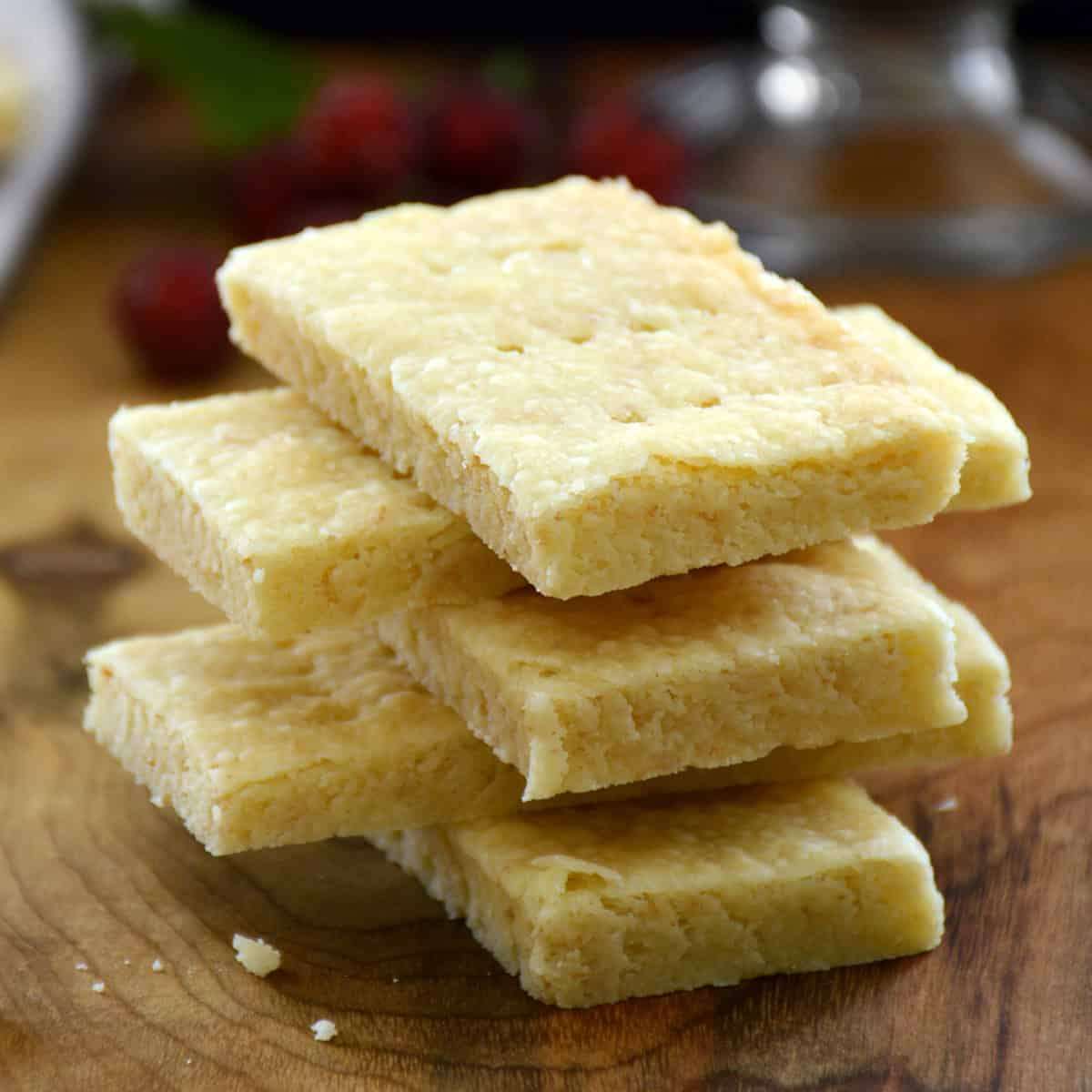
This traditional recipe for Scottish shortbread features quality unsalted butter combined with all-purpose flour, caster sugar, and salt. The ingredients are pulsed together until just combined, forming a soft, pliable dough. It is then pressed firmly into a baking pan to form a uniform shape. Fork pricks and cuts before baking facilitate even cooking and portioning after baking.
The resulting shortbread bakes to a pale golden color with a firm but tender crumb that melts in the mouth. Optional additions such as candied ginger, citrus peel, nuts, or herbs can customize the classic recipe while preserving the rich, buttery base.
This shortbread is traditionally served alongside tea or coffee and works well as a simple but satisfying treat. The firm texture and rich flavor make it a classic biscuit that stores well and can be sliced easily once cooled.
Ingredients
- 2 1/2 cups all-purpose flour
- 1 cup butter cubed and softened at room temperature (the better the butter, the better the shortbread, unsalted, quality
- 1/2 cup caster sugar , or "baker's sugar" in the U.S. (if you can't find it simply pulse granulated sugar in a blender until very fine. Do NOT use powdered sugar)
- 1/2 teaspoon salt
- Optional add-ins:
- candied ginger click link for recipe, homemade
- candied citrus peel click link for recipe, homemade
- Other options include nuts, fresh herbs, dried cranberries, etc.
Instructions
- Preheat the oven to 350 degrees F. Butter a 8x8 or 9x9 inch square baking pan. You can also use a round cake can and cut the shortbread into triangles.
- Place the flour, butter, caster sugar and salt in a food processor and pulse until it's combined and looks like coarse breadcrumbs but is soft and pliable and comes together in a dough when you press it together between your fingers. If it's too dry and crumbly it needs to be pulsed a bit longer. (If using any add-ins, stir them in at this point.)Pour the mixture into the greased baking pan. Use your fingers and hands to firmly press down the mixture. Note: If the mixture is too dry to work with, including pricking with a fork (see below), then it was not pulsed long enough in the food processor. Prick the shortbread with the tines of a fork, creating rows. You can also like run a knife between each row of fork tines to make cutting the shortbread easier after it's baked. Another option is to prick the shortbread with a fork immediately after it is done baking while it is still warm; this way the holes will be more pronounced as they have a tendency to close during baking.
- Place the shortbread on the middle rack and bake for 30-35 minutes or until light golden and firm. Remove from the oven and sprinkle lightly with caster sugar or granulated sugar. Let cool. Cut and serve.Store the shortbread in an airtight container in a cool place (not the fridge) for up to several weeks. Its flavor and texture improves over time.
Nutrition Information
Show DetailsNutrition Facts
Serving: 18pieces
Amount Per Serving
Calories 162 kcal
% Daily Value*
| Serving | 1shortbread finger | |
| Calories | 162kcal | 8% |
| Carbohydrates | 16g | 5% |
| Protein | 1g | 2% |
| Fat | 10g | 15% |
| Saturated Fat | 6g | 30% |
| Cholesterol | 26mg | 9% |
| Sodium | 154mg | 6% |
| Potassium | 17mg | 0% |
| Sugar | 5g | 10% |
| Vitamin A | 315IU | 6% |
| Calcium | 5mg | 1% |
| Iron | 0.6mg | 3% |
* Percent Daily Values are based on a 2,000 calorie diet.
User Reviews
Overall Rating
5
You'll Also Love