Traditional Spotted Dick
User Reviews
5
Traditional Spotted Dick
Description
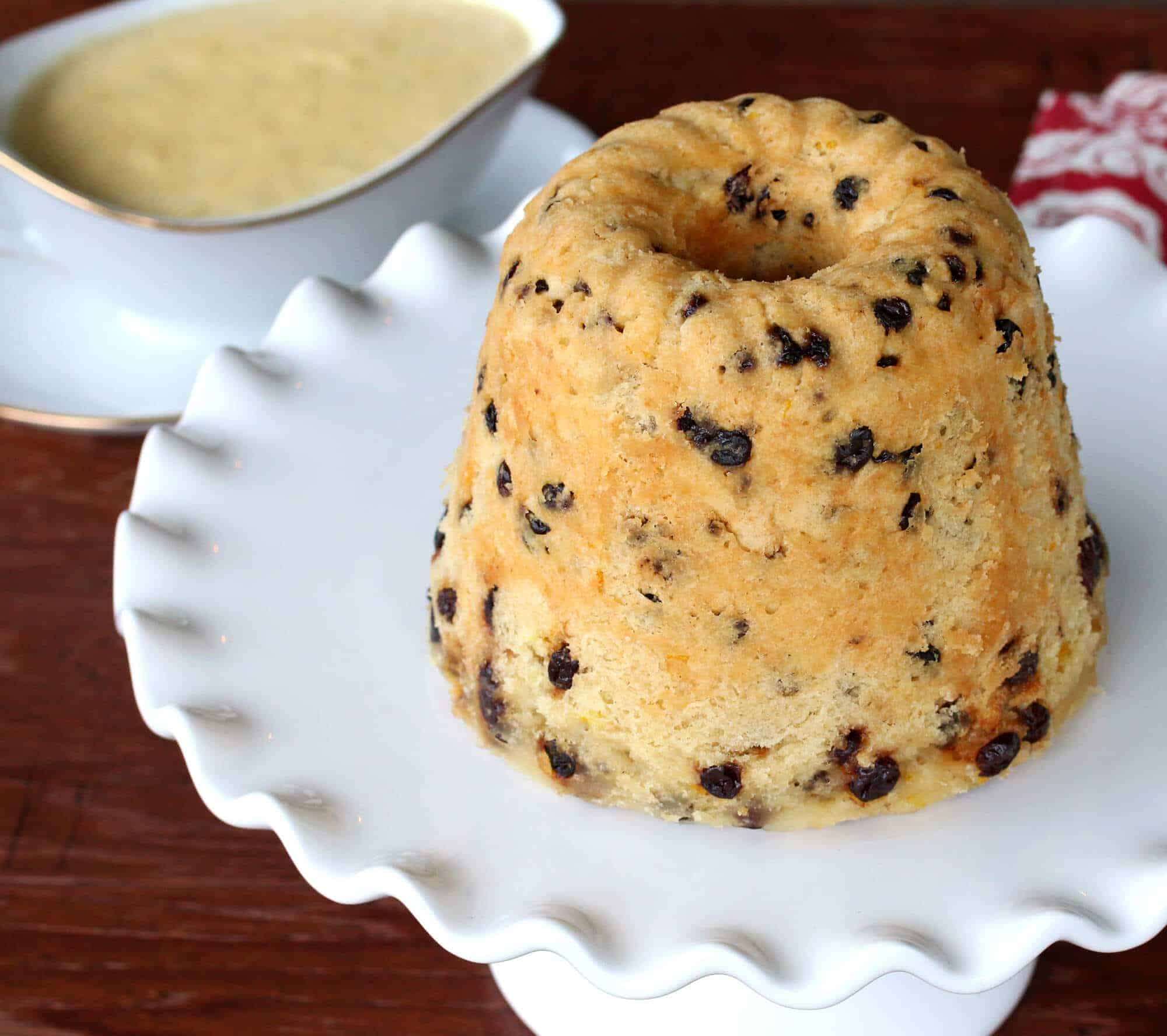
Traditional Spotted Dick is a classic steamed pudding that incorporates beef suet for richness and a characteristic moist crumb. The batter blends all-purpose flour, baking powder, caster sugar, and suet, then is mixed with milk, vanilla extract, lemon zest, and currants (the 'spots'). Once combined, the pudding is packed into a greased mold and steamed in boiling water for 3–4 hours to achieve its signature light yet dense texture.
The suet melts slowly during steaming, creating pockets of moisture that keep the pudding tender. The currants provide bursts of sweetness throughout. Lemon zest and high-quality vanilla extract add fresh aroma and depth to the pudding's flavor.
This hearty dessert is traditionally served warm, often with English custard sauce poured over to complement its texture and mild sweetness. The long steaming process demands planning ahead but yields a moist, delicate pudding unlike baked alternatives.
The recipe notes advise alternatives for sugar type, reheating methods to avoid drying or excess moisture, and methods to maintain the pudding's texture when warming leftovers.
Ingredients
- 2 cups all-purpose flour
- 2 teaspoons baking powder
- 1/4 teaspoon salt
- 5 ounces beef suet highly recommended for best results, but can substitute 10 tablespoons chilled butter, diced, shredded
- 2/3 cup caster sugar see NOTE, or regular granulated sugar
- 1 cup currants dried
- 3/4 cup milk
- 2 teaspoons vanilla extract quality
- lemon zest of one large
- English custard sauce click link for recipe, for serving
Instructions
- Place metal cookie cutters, a folded towel, or crumpled tin foil in the bottom of a large stock pot to prevent the pudding mold from touching the bottom of the pot. Add water and bring to a boil. Generously grease a 1.6 liter pudding mold..
- Place the flour, sugar, baking powder, salt and suet (or butter) in a food processor and pulse until the mixture resembles coarse sand. Transfer the mixture to a large mixing bowl.
- Add the milk, lemon zest, vanilla extract and currants and stir until combined. Scoop the batter into the prepared pudding mold and secure it tightly with the lid.
- Lower the pudding mold into the boiling water so that the water comes up to the halfway point of the pudding mold. Reduce the heat to a simmer and simmer undisturbed for 3-4 hours if using suet (it has a very high melting point and needs that amount of time to melt and create the "pockets" throughout the pudding that yields the characteristic light/spongy texture associated with suet-based puddings) or about 90 minutes if using butter. You'll likely need to weight the pudding mold down with something heavy to keep it from bobbing up and down in the water. I use a plate and then put something heavy on top of it, like another bowl. Check the water level periodically and add more water as needed to keep it at the halfway point of the pudding tin.
- Remove the pudding mold from the water and let it sit for 15 minutes. Invert the pudding onto a plate. Slice into wedges and serve warm with Vanilla Custard. See NOTE about reheating.
Notes
- Caster sugar is finely ground sugar popular for quick dissolution, but regular granulated sugar can be used for this steamed pudding as it dissolves well during cooking.
- To reheat, steam the pudding wrapped and covered for 45–60 minutes or heat in the oven wrapped in foil at 300°F (150°C) for one hour to avoid drying out.
- Quality vanilla extract and fresh lemon zest improve the pudding's aroma and flavor.
Nutrition Information
Show DetailsNutrition Facts
Serving: 6servings
Amount Per Serving
Calories 498 kcal
% Daily Value*
| Serving | 1serving | |
| Calories | 498kcal | 25% |
| Carbohydrates | 74g | 25% |
| Protein | 6g | 12% |
| Fat | 20g | 31% |
| Saturated Fat | 12g | 60% |
| Cholesterol | 53mg | 18% |
| Sodium | 282mg | 12% |
| Potassium | 433mg | 9% |
| Fiber | 2g | 8% |
| Sugar | 40g | 80% |
| Vitamin A | 655IU | 13% |
| Vitamin C | 1.2mg | 1% |
| Calcium | 125mg | 13% |
| Iron | 2.8mg | 16% |
* Percent Daily Values are based on a 2,000 calorie diet.
User Reviews
Overall Rating
5
You'll Also Love