Easy Korean plum wine recipe (maesil ju)
User Reviews
5
Easy Korean plum wine recipe (maesil ju)
Description
The Easy Korean plum wine recipe starts with thorough cleaning of unripe green plums through baking soda and water soak to remove pesticides, followed by rinsing and drying. For the traditional method, plums are layered alternately with rock sugar in a jar and submerged in a white liquor such as vodka or shochu with about 35% ABV. The jar is sealed airtight and stored away from light for at least six months, allowing the sugar to slowly extract plum flavors into the alcohol.
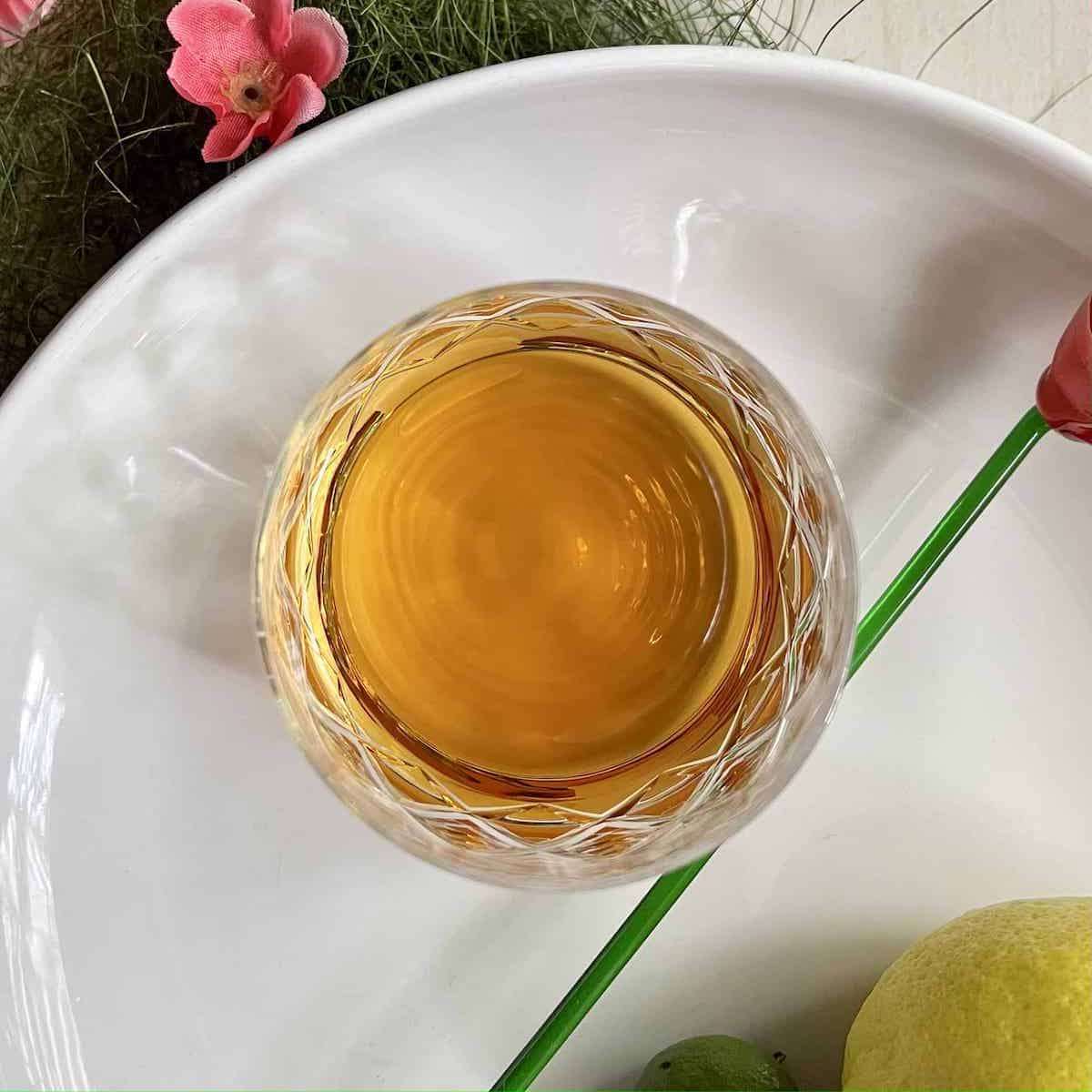
This results in a balanced wine where the bitterness of the unripe plums is mellowed by the sweet rock sugar and alcohol. The second method uses leftover Korean green plums from maesil-cheong and covers them with similar-strength alcohol for a quicker version. The flavor varies slightly depending on plum ripeness and sugar content.
Serve chilled as a sweet, fruity alcoholic drink. The plums used remain edible after infusion with suggestions for consumption are available. Adjust sugar levels for preference, and ensure the jar and plums are perfectly dry at bottling to avoid spoilage. The taste develops and changes the longer it is left to age, with some caution about potential bitterness if left over one year.
Ingredients
Method 1: Japanese umeshu
- 2 lbs unripe ume Choose smooth ones with no wrinkles or scratches. If 1 is bad, there goes your entire batch of plum wine!! Subsitute: ripe Ume can also be used if your prefer a fruitier flavor, or Japanese green plums
- 1 lb rock sugar Substitute: granulated white sugar, honey or brown sugar, it extracts the plum essence more slowly
- Japanese white liquor Substitute: Alcohol with minimum 35% ABV. I used 1 entire bottle of vodka for a little over 2lbs of green plums, enough to cover plums, about 8 cups if using 4l jar
Method 2 (Quick way): making maesil-ju after your maesil cheong is ready
- green Korean plums The ones that are leftover after making your maesil-cheong.
- alcohol Examples: soju, shochu, sake, vodka, brandy etc, minimum 35% ABV, enough to cover plums; vodka example given
Instructions
Method 1: Japanese plum wine (umeshu)
- Soak the ume in a baking soda and water solution for 15 minutes. You need a 1% solution (so 2 teaspoons of baking soda for 1 quart- 946 ml- of water.) (This is to remove pesticides.)
- After 15 minutes, rinse the fruit well then soak in clean water for another 1h45 minutes. Rinse and dry the fruits very well at the end.
- Remove the stems, if any.
- Place the sugar and DRY plums in the glass jar in alternate layers so that all the plums are surrounded by the sugar. (If not using rock sugar, you may need to shake the jar from time to time.)
- Pour the alcohol into the jar and seal it, airtight.
- Store somewhere cool and dark for a minimum of 6 months (Some say plum wine gets bitter if the fruits are left in it for over 1 year so try at your own risk! Without the fruit, plum wine can last indefinitely if stored properly. The taste will change over time, so it's interesting to compare and contrast. I have 2 different ones- 1 made with unripe plums and 1 with ripe ones- in my pantry as I type.)
Method 2: making maesil-ju after your maesil cheong is ready
- After straining out your maesil-cheong, or plum syrup, store the liquid in the fridge. Leave the plums in the original glass jar then pour the alcohol over, making sure all the plums are covered.
- Close the jar tightly and leave in a cool and dark place for at least 3 months. (You can leave it for up to a year if you wish.)
- When you feel the alcohol is ready, serve hot, cold or mixed with soda water and other alcohols in a cocktail (See the post for suggestions.) It's a nice touch to include 1 or 2 plums in each cup.
How to serve
- As mentioned above, you can have Asian plum wine hot, at room temperature or chilled. If you want variety, mix it with yoghurt, milk. soda water etc.
Notes
- Additional sugar can be added (up to 1.5 lbs) for a sweeter plum wine.
- Make sure jar and plums are completely dry to prevent spoilage during long infusion.
- After infusion, the preserved plums are edible and can be used in recipes or eaten directly.
- Longer aging changes flavor; avoid exceeding one year to prevent bitterness.
User Reviews
Overall Rating
5
You'll Also Love